

What is the Weight of a PET Honeycomb Panel?
As a supplier of PET honeycomb panels, I often get asked about the weight of these innovative products. Understanding the weight of a PET honeycomb panel is crucial for various applications, from aerospace and automotive industries to construction and packaging. In this blog post, I'll delve into the factors that influence the weight of PET honeycomb panels, their typical weight ranges, and why it matters in different sectors.
Factors Influencing the Weight of PET Honeycomb Panels
The weight of a PET honeycomb panel is not a fixed value; it is determined by several key factors. Let's take a closer look at each of these elements.
Core Density
The core density of the PET honeycomb is one of the most significant factors affecting the panel's weight. The core is the central part of the honeycomb structure, and its density can vary depending on the manufacturing process. A higher core density means more material is used in the core, resulting in a heavier panel. Conversely, a lower core density leads to a lighter panel. For example, a PET honeycomb core with a density of 60 kg/m³ will be heavier than one with a density of 30 kg/m³.
Cell Size
The size of the honeycomb cells also plays a role in determining the weight of the panel. Smaller cell sizes generally result in a higher weight because more material is used to form the numerous small cells. Larger cell sizes, on the other hand, require less material, making the panel lighter. However, it's important to note that cell size also affects the panel's strength and stiffness, so a balance must be struck between weight and performance.
Panel Thickness
The thickness of the PET honeycomb panel is another obvious factor influencing its weight. Thicker panels naturally contain more material and are therefore heavier than thinner ones. The thickness required for a particular application depends on the load-bearing requirements and the desired level of insulation or protection. For instance, in construction applications where panels need to support heavy loads, thicker panels may be necessary, despite their increased weight.
Skin Material
The skin material used on the outer layers of the PET honeycomb panel can significantly impact its weight. Different skin materials have different densities, and the choice of skin can be tailored to meet specific weight and performance requirements. Common skin materials include aluminum, fiberglass, and various plastics. Aluminum skins are relatively lightweight and offer good strength, while fiberglass skins provide excellent corrosion resistance but may be slightly heavier.
Typical Weight Ranges of PET Honeycomb Panels
The weight of PET honeycomb panels can vary widely depending on the factors mentioned above. However, we can provide some general weight ranges based on common applications.
In the aerospace industry, where weight is a critical factor, PET honeycomb panels are often designed to be as light as possible. Panels used in aircraft interiors, such as cabin partitions and overhead storage compartments, typically have a weight range of 2 - 5 kg/m². These panels are engineered to meet strict weight and safety standards while still providing sufficient strength and durability.
For automotive applications, PET honeycomb panels are used in various components, including door panels, seat backs, and interior trim. The weight of these panels usually falls between 3 - 8 kg/m², depending on the specific requirements of the vehicle. Lighter panels are preferred to improve fuel efficiency, while still maintaining the necessary structural integrity.
In the construction industry, the weight of PET honeycomb panels can vary more widely depending on the application. For wall cladding and partition walls, panels may have a weight range of 5 - 15 kg/m². These panels need to be sturdy enough to withstand environmental factors and provide insulation, but they also need to be manageable during installation.
In the packaging industry, where lightweight and cost-effective solutions are often sought, PET honeycomb panels can have a weight range of 1 - 3 kg/m². These panels are used to protect fragile items during shipping and storage, and their light weight helps to reduce shipping costs.
Why the Weight of PET Honeycomb Panels Matters
The weight of PET honeycomb panels is not just a technical detail; it has significant implications for various industries and applications.
Cost Efficiency
In many industries, reducing weight can lead to cost savings. In the aerospace and automotive sectors, lighter panels mean less fuel consumption, which translates to lower operating costs. In the construction industry, lighter panels are easier and cheaper to transport and install, reducing overall project costs. Even in the packaging industry, lighter panels can result in lower shipping costs, making products more competitive in the market.
Performance and Functionality
The weight of a PET honeycomb panel also affects its performance and functionality. In applications where strength and stiffness are required, a heavier panel may be necessary to withstand the loads. However, in other applications, such as those where insulation or noise reduction is the primary goal, a lighter panel may be sufficient. Understanding the relationship between weight and performance is crucial for selecting the right panel for a specific application.
Sustainability
In today's environmentally conscious world, the weight of materials also has implications for sustainability. Lighter panels generally require less energy to produce and transport, reducing their carbon footprint. Additionally, PET is a recyclable material, and using lightweight PET honeycomb panels can contribute to a more sustainable supply chain.
Conclusion
As a supplier of PET honeycomb panels, I understand the importance of weight in various applications. The weight of a PET honeycomb panel is influenced by factors such as core density, cell size, panel thickness, and skin material. Typical weight ranges vary depending on the industry, from 1 - 15 kg/m². Understanding the weight of these panels is crucial for cost efficiency, performance, and sustainability.
If you're considering using PET honeycomb panels for your project, I encourage you to contact us to discuss your specific requirements. We can provide you with detailed information on the weight, performance, and cost of our panels, and help you select the right solution for your needs. You can also explore more about our products by visiting these links: Thermoplastic Honeycomb Core and Honeycomb-building-panels.
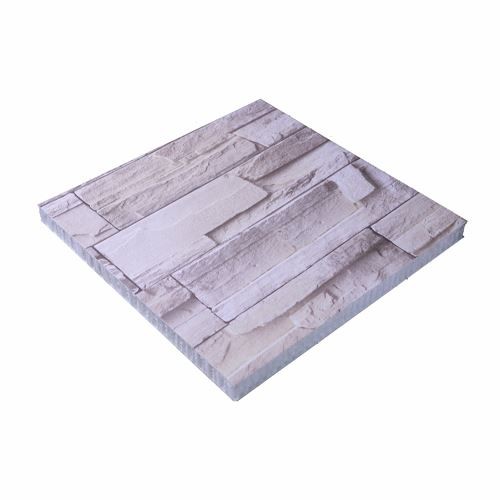
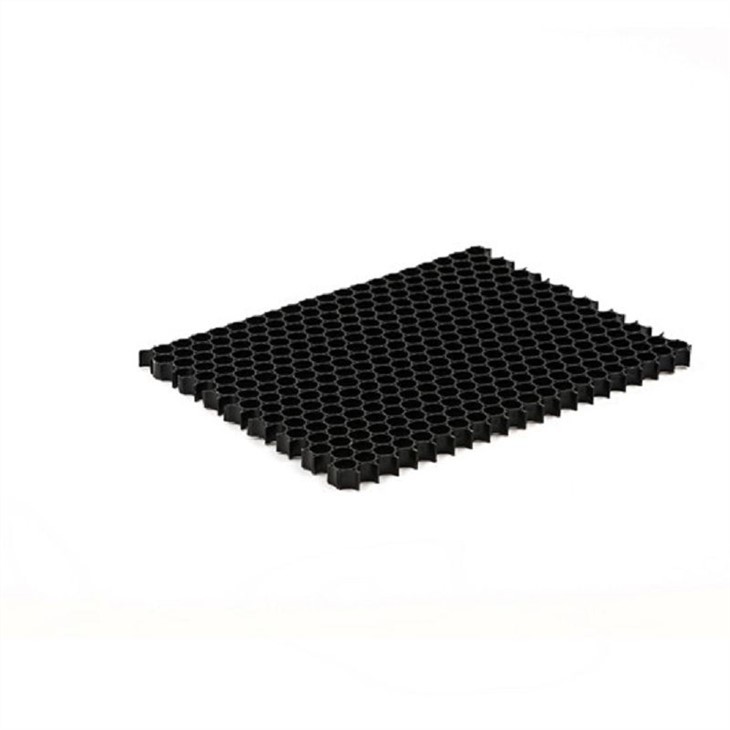
Let's work together to find the perfect PET honeycomb panel solution for your application.
References
- "Honeycomb Core Materials: Properties and Applications" - A technical report on honeycomb materials.
- "Advanced Composites in Aerospace and Automotive Industries" - A book discussing the use of composite materials in these sectors.
- Industry standards and guidelines for PET honeycomb panels.