

As a supplier of honeycomb composite boards, one question that frequently arises from our clients is, "Are honeycomb composite boards fire-resistant?" This query is of utmost importance, especially in industries where fire safety is a top priority, such as construction, transportation, and aerospace. In this blog post, I will delve into the topic, exploring the fire-resistant properties of honeycomb composite boards, the factors affecting them, and how they can be used safely in various applications.
Understanding Honeycomb Composite Boards
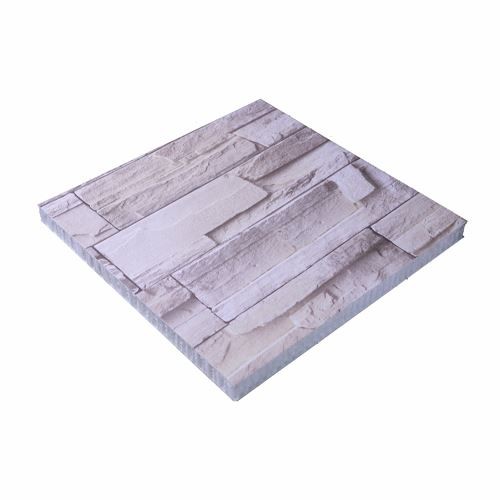
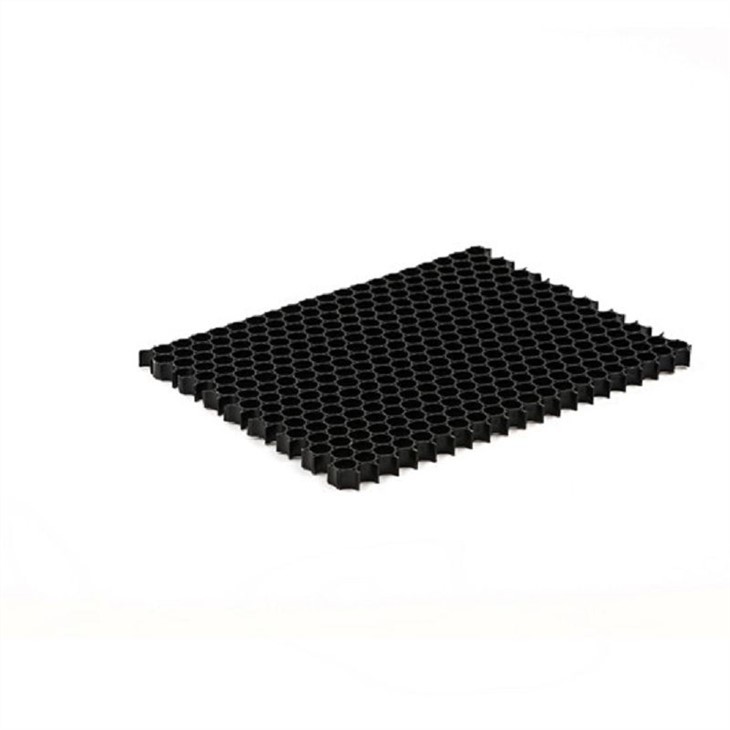
Before we discuss their fire resistance, let's briefly understand what honeycomb composite boards are. Honeycomb composite boards consist of a honeycomb core sandwiched between two face sheets. The honeycomb core, often made of materials like aluminum, paper, or Thermoplastic Honeycomb Core, provides excellent strength-to-weight ratio, while the face sheets, which can be made of materials such as metal, plastic, or wood, offer surface protection and additional strength. These boards are known for their lightweight, high stiffness, and excellent energy absorption capabilities, making them a popular choice in a wide range of applications.
Fire Resistance of Honeycomb Composite Boards
The fire resistance of honeycomb composite boards depends on several factors, including the materials used in the core and face sheets, the manufacturing process, and any additional fire-retardant treatments applied.
Materials Used
- Aluminum Honeycomb Core: Aluminum is a non-combustible material, which means it does not burn. Honeycomb composite boards with an aluminum core have inherent fire-resistant properties. When exposed to fire, the aluminum core can act as a heat sink, absorbing and dissipating heat, which helps to slow down the spread of fire.
- Paper Honeycomb Core: Paper is a combustible material, and honeycomb composite boards with a paper core are generally not fire-resistant unless they are treated with fire-retardant chemicals. These treatments can significantly reduce the flammability of the paper core, making the board more fire-resistant.
- Thermoplastic Honeycomb Core: Thermoplastic materials can melt and drip when exposed to fire, which can contribute to the spread of fire. However, some thermoplastic honeycomb cores are formulated with fire-retardant additives to improve their fire resistance. These additives can slow down the melting process and reduce the release of flammable gases.
Face Sheets
The face sheets also play a crucial role in the fire resistance of honeycomb composite boards. Metal face sheets, such as aluminum or steel, are non-combustible and can provide a protective barrier against fire. Plastic face sheets, on the other hand, can be combustible, but they can also be treated with fire-retardant additives to improve their fire resistance.
Manufacturing Process
The manufacturing process can also affect the fire resistance of honeycomb composite boards. Boards that are properly bonded and sealed are less likely to allow the penetration of fire and smoke. Additionally, some manufacturing processes can incorporate fire-retardant materials into the board during production, further enhancing its fire resistance.
Fire-Retardant Treatments
In many cases, honeycomb composite boards are treated with fire-retardant chemicals to improve their fire resistance. These treatments can be applied to the core, face sheets, or both. Fire-retardant treatments work by either preventing the ignition of the material, slowing down the spread of fire, or reducing the release of flammable gases.
Testing and Certification
To ensure the fire resistance of honeycomb composite boards, they are often tested according to various international standards, such as ASTM E84, UL 94, and EN 13501-1. These tests evaluate the flammability, smoke development, and fire spread characteristics of the boards. Boards that meet the requirements of these standards are typically certified as fire-resistant or fire-rated, which provides assurance to customers that the boards meet the necessary safety standards.
Applications of Fire-Resistant Honeycomb Composite Boards
Fire-resistant honeycomb composite boards are used in a wide range of applications where fire safety is a concern. Some of these applications include:
- Construction: Honeycomb composite boards are used in building facades, partitions, and ceilings. Fire-resistant boards can help to prevent the spread of fire within a building, providing valuable time for evacuation and firefighting.
- Transportation: In the transportation industry, honeycomb composite boards are used in the interiors of trains, buses, and airplanes. Fire-resistant boards can improve the safety of passengers and crew by reducing the risk of fire and smoke inhalation.
- Aerospace: Honeycomb composite boards are widely used in the aerospace industry due to their lightweight and high strength. Fire-resistant boards are essential in this industry to ensure the safety of aircraft and their occupants.
Conclusion
In conclusion, honeycomb composite boards can be fire-resistant, depending on the materials used, the manufacturing process, and any additional fire-retardant treatments applied. As a supplier of honeycomb composite boards, we offer a range of fire-resistant options to meet the specific needs of our customers. Our Honeycomb-building-panels are carefully engineered and tested to ensure they meet the highest standards of fire safety.
If you are interested in learning more about our fire-resistant honeycomb composite boards or would like to discuss your specific requirements, please do not hesitate to contact us. We are committed to providing our customers with high-quality products and excellent service. Let's work together to find the best solution for your project.
References
- ASTM International. (n.d.). ASTM E84 - Standard Test Method for Surface Burning Characteristics of Building Materials.
- UL. (n.d.). UL 94 - Standard for Safety of Flammability of Plastic Materials for Parts in Devices and Appliances.
- European Committee for Standardization. (n.d.). EN 13501-1 - Fire Classification of Construction Products and Building Elements.