

As a supplier of PP Honeycomb Panels, I often get asked about the water - absorption rate of these panels. Understanding this characteristic is crucial for various applications, as it can significantly impact the performance and durability of the panels.
Understanding PP Honeycomb Panels
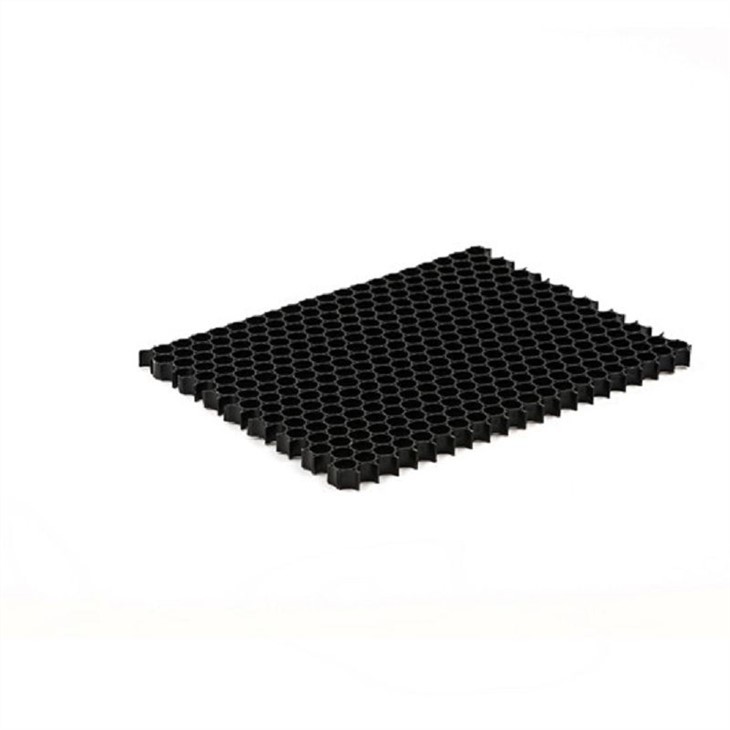
PP Honeycomb Panels are made from polypropylene (PP), a thermoplastic polymer known for its excellent chemical resistance, high stiffness, and good impact strength. These panels feature a honeycomb - like structure in the core, which provides a high strength - to - weight ratio. This unique design makes them suitable for a wide range of applications, including packaging, construction, automotive, and marine industries.
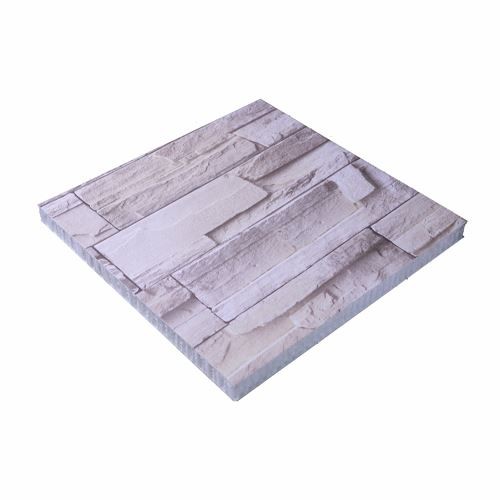
The Honeycomb - building - panels on our website showcase some of the diverse uses of these panels in the construction field. From interior partitions to exterior facades, their lightweight yet sturdy nature makes them an ideal choice.
Importance of Water Absorption Rate
The water - absorption rate is defined as the amount of water a material can absorb under specific conditions, usually expressed as a percentage of the material's dry weight. For PP Honeycomb Panels, this rate is an important factor because water absorption can affect several key properties:
Structural Integrity
When a panel absorbs water, it can lead to swelling. This swelling can cause internal stresses within the panel, potentially leading to warping, cracking, or delamination. In applications where dimensional stability is critical, such as in precision engineering or high - end furniture, a low water - absorption rate is essential to maintain the panel's shape and performance over time.
Mechanical Properties
Water absorption can also degrade the mechanical properties of the panel. For example, it can reduce the panel's strength and stiffness. In load - bearing applications, such as in the automotive or aerospace industries, any reduction in mechanical properties can compromise the safety and functionality of the component.
Corrosion Resistance
Although polypropylene is generally resistant to corrosion, the presence of water can create an environment where other factors, such as the growth of mold or the presence of chemicals in the water, can lead to surface degradation. A low water - absorption rate helps to minimize the risk of such corrosion - related issues.
Measuring the Water - Absorption Rate of PP Honeycomb Panels
The water - absorption rate of PP Honeycomb Panels is typically measured according to international standards, such as ASTM D570. This standard provides a method for determining the amount of water absorbed by a plastic material when immersed in water for a specified period at a controlled temperature.
The test involves the following steps:
- Sample Preparation: A specimen of the PP Honeycomb Panel is cut to a specific size and shape. The specimen is then dried in an oven at a controlled temperature until it reaches a constant weight. This dry weight is recorded.
- Immersion: The dried specimen is immersed in distilled water at a temperature of 23°C for 24 hours.
- Weighing: After 24 hours, the specimen is removed from the water, surface - dried with a clean cloth, and weighed immediately. The difference between the wet weight and the dry weight is calculated.
- Calculation: The water - absorption rate is calculated as a percentage using the formula:
[Water\ Absorption\ Rate(%)=\frac{Wet\ Weight - Dry\ Weight}{Dry\ Weight}\times100]
Typical Water - Absorption Rate of PP Honeycomb Panels
PP Honeycomb Panels generally have a very low water - absorption rate. Due to the hydrophobic nature of polypropylene, the panels typically absorb less than 0.01% of their weight in water after 24 hours of immersion in water at 23°C. This low rate is one of the reasons why PP Honeycomb Panels are so popular in applications where exposure to moisture is a concern.
For example, in the marine industry, where panels are constantly exposed to water, the low water - absorption rate of PP Honeycomb Panels ensures that they can maintain their structural integrity and performance over long periods. Similarly, in outdoor construction applications, such as in roofing or cladding, the panels' resistance to water absorption helps to prevent damage from rain and humidity.
Factors Affecting the Water - Absorption Rate
Although PP Honeycomb Panels generally have a low water - absorption rate, several factors can influence this rate:
Surface Treatment
Some surface treatments can affect the water - absorption rate of the panels. For example, if the panel is coated with a hydrophilic coating, it may absorb more water than an untreated panel. On the other hand, a hydrophobic coating can further reduce the water - absorption rate.
Manufacturing Process
The manufacturing process can also have an impact on the water - absorption rate. If the panel has voids or cracks in the structure, water can penetrate more easily, increasing the absorption rate. A well - manufactured panel with a uniform and dense structure will have a lower water - absorption rate.
Environmental Conditions
The temperature and humidity of the environment can affect the water - absorption rate. Higher temperatures and humidity levels can increase the rate of water absorption. In addition, the presence of chemicals or contaminants in the water can also affect the absorption rate.
Comparison with Other Materials
When compared to other materials commonly used in similar applications, such as wood or some types of plastics, PP Honeycomb Panels have a significant advantage in terms of water absorption.
Wood, for example, can absorb a large amount of water, leading to swelling, rot, and decay. Even treated wood has a relatively high water - absorption rate compared to PP Honeycomb Panels. Some other plastics may also have higher water - absorption rates, which can limit their use in wet or humid environments.
The Thermoplastic Honeycomb Core on our website further demonstrates the superiority of our PP Honeycomb Panels in terms of water resistance and other properties.
Applications Benefiting from Low Water - Absorption Rate
The low water - absorption rate of PP Honeycomb Panels makes them suitable for a wide range of applications:
Packaging
In the packaging industry, especially for products that are sensitive to moisture, such as electronics or food, PP Honeycomb Panels can provide excellent protection. The low water - absorption rate ensures that the panels do not transfer moisture to the packaged products, helping to maintain their quality during storage and transportation.
Construction
In construction, PP Honeycomb Panels can be used in areas where there is a risk of water exposure, such as in bathrooms, kitchens, or exterior facades. Their low water - absorption rate helps to prevent damage from water and humidity, ensuring the long - term durability of the building structure.
Automotive and Aerospace
In the automotive and aerospace industries, where weight and performance are critical, PP Honeycomb Panels are used in various components. The low water - absorption rate helps to maintain the panels' mechanical properties and dimensional stability, even in harsh environmental conditions.
Conclusion
The water - absorption rate of PP Honeycomb Panels is a crucial characteristic that affects their performance and durability in various applications. With a very low water - absorption rate, typically less than 0.01% after 24 hours of immersion in water at 23°C, these panels offer excellent resistance to water and moisture.
As a supplier of PP Honeycomb Panels, we are committed to providing high - quality panels with consistent and low water - absorption rates. Our Honeycomb - building - panels and Thermoplastic Honeycomb Core products are designed to meet the diverse needs of our customers in different industries.
If you are interested in learning more about our PP Honeycomb Panels or have specific requirements for your project, please feel free to contact us for a detailed discussion. We are ready to assist you in finding the best solution for your application.
References
- ASTM D570 - Standard Test Method for Water Absorption of Plastics.
- Technical literature on polypropylene and its properties.