

As a supplier of PET honeycomb panels, I've often been asked whether these innovative materials can find a place in the communication industry. In this blog post, I'll explore the potential applications of PET honeycomb panels in the communication sector, examining their properties, advantages, and possible use - cases.
Understanding PET Honeycomb Panels
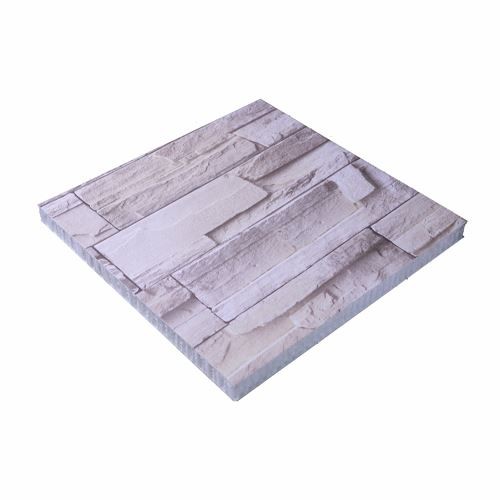
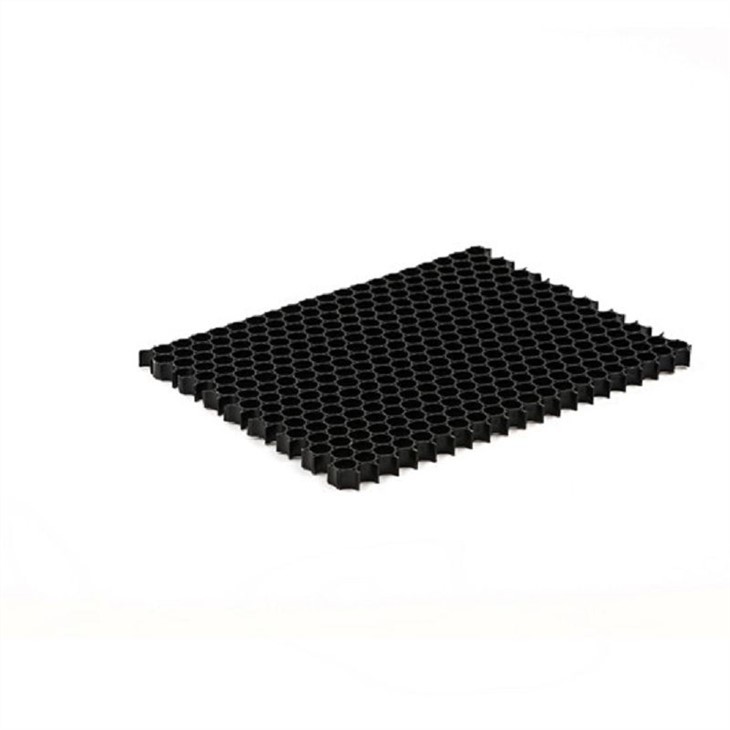
PET, or polyethylene terephthalate, is a widely used thermoplastic polymer. When formed into honeycomb panels, it creates a lightweight yet strong material. The honeycomb structure, inspired by nature, offers excellent strength - to - weight ratio. Each cell of the honeycomb is hexagonal, which is a highly efficient shape for distributing loads evenly.
These panels are known for their high stiffness, good impact resistance, and thermal insulation properties. They are also resistant to chemicals, moisture, and UV radiation, making them suitable for various environments.
Properties Relevant to the Communication Industry
Lightweight Design
In the communication industry, weight is often a critical factor. For example, in the installation of antennas on towers or rooftops, every additional kilogram can increase the structural load and installation complexity. PET honeycomb panels, being lightweight, can significantly reduce the overall weight of communication equipment enclosures or antenna mounts. This not only simplifies the installation process but also reduces the stress on supporting structures, potentially extending their lifespan.
Electrical Insulation
PET is an excellent electrical insulator. In communication systems, electrical insulation is crucial to prevent short - circuits, interference, and ensure the safe operation of sensitive electronic components. The use of PET honeycomb panels in the construction of equipment enclosures can provide a reliable electrical barrier, protecting internal components from external electrical interference and vice versa.
Thermal Management
Communication equipment generates heat during operation. Overheating can lead to reduced performance, component failure, and shortened lifespan. PET honeycomb panels have good thermal insulation properties. They can be used to build enclosures that help maintain a stable internal temperature, reducing the need for excessive cooling systems. Additionally, the honeycomb structure allows for some degree of air circulation, which can further aid in heat dissipation.
Environmental Resistance
Communication facilities are often exposed to harsh environmental conditions, including moisture, dust, and UV radiation. PET honeycomb panels are resistant to these elements. They can withstand high humidity without warping or losing their structural integrity. Their UV resistance ensures that they won't degrade or become brittle over time when exposed to sunlight. This makes them suitable for outdoor communication installations, such as base stations and satellite communication terminals.
Potential Applications in the Communication Industry
Antenna Mounts
Antenna mounts need to be lightweight, strong, and stable. PET honeycomb panels can be used to construct custom - designed antenna mounts. Their lightweight nature reduces the load on towers or poles, while their high stiffness ensures that the antenna remains in the correct position. Moreover, the electrical insulation property of PET prevents any electrical interference between the antenna and the mount.
Equipment Enclosures
Communication equipment enclosures protect sensitive electronics from environmental factors and physical damage. PET honeycomb panels can be used to build these enclosures. They can be easily fabricated into different shapes and sizes to accommodate various equipment. The panels' thermal insulation and environmental resistance properties help maintain a stable internal environment for the equipment.
Satellite Communication Components
Satellite communication systems require materials that can withstand the harsh conditions of space, including extreme temperature variations and radiation. Although PET honeycomb panels may not be suitable for direct use in space, they can be used in ground - based satellite communication terminals. Their properties make them ideal for building enclosures, support structures, and other components of these terminals.
Comparison with Other Materials
When compared to traditional materials used in the communication industry, such as metal and fiberglass, PET honeycomb panels offer several advantages.
Metal
Metals are heavy, which can be a drawback in many communication applications. They also require additional corrosion protection in outdoor environments. PET honeycomb panels, on the other hand, are lightweight and corrosion - resistant. While metals have good electrical conductivity, PET's electrical insulation can be an advantage in preventing interference.
Fiberglass
Fiberglass is a commonly used material for its strength and insulation properties. However, it can be brittle and may release fibers during cutting or installation, which can be a health hazard. PET honeycomb panels are more flexible and do not pose such risks. They also have better environmental resistance compared to some fiberglass products.
Real - World Examples and Case Studies
Although the use of PET honeycomb panels in the communication industry is still in its early stages, there are some promising real - world examples. In some rural areas, small - scale communication towers have been built using PET honeycomb panel - based antenna mounts. These mounts have proven to be lightweight and easy to install, reducing the overall cost of tower construction.
In a coastal area, a base station enclosure was constructed using PET honeycomb panels. The panels' resistance to moisture and saltwater corrosion has ensured the long - term protection of the internal equipment, even in the harsh marine environment.
Future Outlook
As the communication industry continues to evolve, the demand for lightweight, high - performance, and environmentally friendly materials is likely to increase. PET honeycomb panels have the potential to play a more significant role in this industry. With further research and development, we may see more innovative applications of these panels, such as in the construction of next - generation 5G communication infrastructure.
Conclusion
In conclusion, PET honeycomb panels have significant potential for use in the communication industry. Their lightweight design, electrical insulation, thermal management, and environmental resistance properties make them suitable for a variety of applications, including antenna mounts, equipment enclosures, and satellite communication components. As a supplier of Honeycomb - building - panels and Thermoplastic Honeycomb Core, I believe that these materials can offer unique solutions to the challenges faced by the communication sector.
If you're in the communication industry and are interested in exploring the use of PET honeycomb panels for your projects, I encourage you to reach out for a detailed discussion. We can provide samples, technical specifications, and work together to develop customized solutions that meet your specific requirements. Let's start a conversation about how PET honeycomb panels can enhance your communication systems.
References
- "Plastics in the Electronics Industry" - A comprehensive report on the use of plastics in electronic and communication applications.
- "Structural Composites for Lightweight Applications" - A research paper discussing the properties and applications of lightweight composite materials like PET honeycomb panels.