

As a supplier of Honeycomb Building Panels, one of the most frequently asked questions I encounter is about the water absorption rate of these innovative construction materials. Understanding the water absorption rate is crucial for architects, contractors, and building owners as it directly impacts the durability, performance, and longevity of the structures they are building or renovating. In this blog post, I will delve into the concept of water absorption rate, explain its significance, and provide insights into the water absorption characteristics of honeycomb building panels.
What is Water Absorption Rate?
Water absorption rate refers to the amount of water that a material can absorb when immersed in water for a specified period. It is typically expressed as a percentage of the material's dry weight. This metric is essential because water can cause various problems in building materials, such as swelling, warping, rotting, and corrosion. High water absorption rates can lead to structural damage, reduced insulation properties, and the growth of mold and mildew, all of which can compromise the integrity and safety of a building.
Significance of Water Absorption Rate in Building Materials
In the construction industry, the water absorption rate of building materials is a critical factor in determining their suitability for different applications. For example, materials used in exterior walls, roofs, and basements need to have low water absorption rates to prevent water penetration and damage. On the other hand, materials used in interior applications, such as partitions and ceilings, may have slightly higher water absorption rates as long as they are not exposed to direct water sources.
The water absorption rate also affects the maintenance and lifespan of building materials. Materials with high water absorption rates require more frequent maintenance and may need to be replaced sooner than those with low water absorption rates. Additionally, the presence of water in building materials can accelerate the degradation process, leading to a shorter lifespan and increased costs over time.
Water Absorption Characteristics of Honeycomb Building Panels
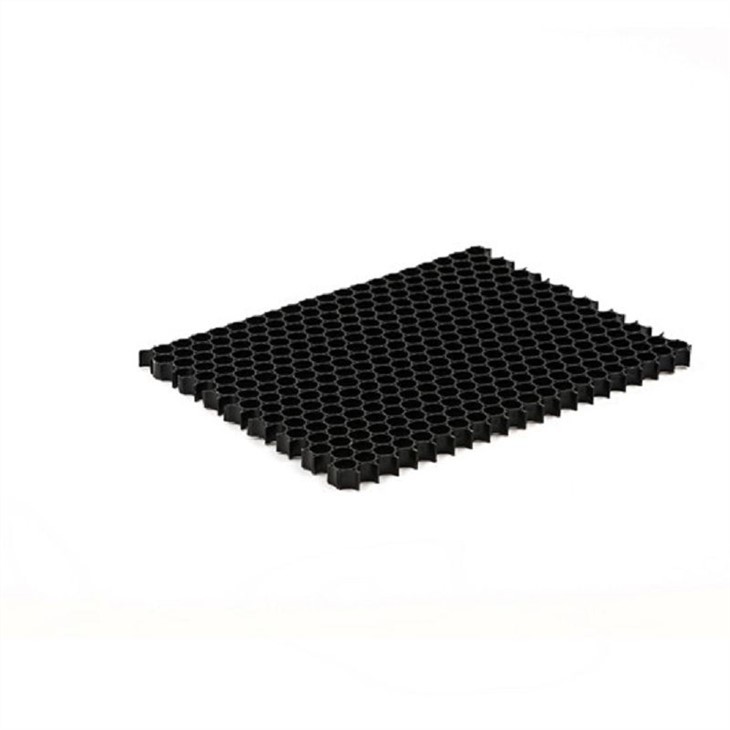
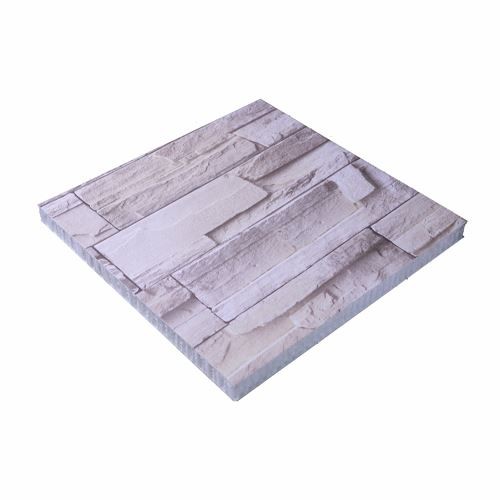
Honeycomb building panels are known for their lightweight, high strength, and excellent insulation properties. These panels consist of a honeycomb core sandwiched between two outer layers, which can be made of various materials such as aluminum, steel, fiberglass, or plastic. The honeycomb core provides structural support and reduces the weight of the panel, while the outer layers protect the core and provide a smooth surface for finishing.
One of the key advantages of honeycomb building panels is their low water absorption rate. The honeycomb structure of the core acts as a barrier to water, preventing it from penetrating the panel. Additionally, the outer layers of the panel are typically made of materials that are resistant to water, such as aluminum or plastic. As a result, honeycomb building panels have a much lower water absorption rate compared to traditional building materials such as wood, concrete, and brick.
The water absorption rate of honeycomb building panels can vary depending on several factors, including the type of core material, the thickness of the panel, and the quality of the outer layers. Generally, honeycomb building panels made with a thermoplastic honeycomb core have a lower water absorption rate compared to those made with a paper or cardboard core. Thermoplastic honeycomb cores are made of materials such as polypropylene or polyethylene, which are highly resistant to water and chemicals.
Another factor that affects the water absorption rate of honeycomb building panels is the thickness of the panel. Thicker panels tend to have a lower water absorption rate compared to thinner panels because they have more material to resist water penetration. Additionally, the quality of the outer layers of the panel can also impact the water absorption rate. Panels with high-quality outer layers that are well-sealed and protected are less likely to absorb water compared to panels with low-quality outer layers.
Testing the Water Absorption Rate of Honeycomb Building Panels
To determine the water absorption rate of honeycomb building panels, manufacturers typically conduct standardized tests in accordance with industry standards. One of the most common tests is the ASTM D570 test, which measures the amount of water absorbed by a material when immersed in water for 24 hours. In this test, a sample of the panel is weighed before and after immersion in water, and the difference in weight is used to calculate the water absorption rate.
The results of these tests can provide valuable information about the water absorption characteristics of honeycomb building panels and help architects, contractors, and building owners make informed decisions about their use in construction projects. It is important to note that the water absorption rate of honeycomb building panels can vary depending on the specific product and manufacturer, so it is always recommended to consult the manufacturer's specifications and test reports before making a purchasing decision.
Benefits of Low Water Absorption Rate in Honeycomb Building Panels
The low water absorption rate of honeycomb building panels offers several benefits for construction projects. Here are some of the key advantages:
- Durability: Honeycomb building panels with a low water absorption rate are more durable and resistant to damage caused by water. They are less likely to swell, warp, or rot, which helps to maintain their structural integrity and appearance over time.
- Insulation: Water can reduce the insulation properties of building materials, leading to increased energy consumption and higher heating and cooling costs. Honeycomb building panels with a low water absorption rate maintain their insulation properties even when exposed to moisture, helping to keep buildings comfortable and energy-efficient.
- Mold and Mildew Resistance: High water absorption rates can create a favorable environment for the growth of mold and mildew, which can pose health risks to building occupants. Honeycomb building panels with a low water absorption rate are less likely to support the growth of mold and mildew, helping to maintain a healthy indoor environment.
- Ease of Maintenance: Materials with low water absorption rates require less maintenance and are easier to clean and maintain. Honeycomb building panels can be easily wiped clean with a damp cloth, and they do not require special treatments or coatings to protect them from water damage.
Conclusion
In conclusion, the water absorption rate of honeycomb building panels is an important factor to consider when choosing construction materials. Honeycomb building panels offer several advantages over traditional building materials, including low water absorption rate, high strength, lightweight, and excellent insulation properties. These panels are suitable for a wide range of applications, including exterior walls, roofs, partitions, and ceilings.
As a supplier of Honeycomb-building-panels, I am committed to providing high-quality products that meet the needs of our customers. Our honeycomb building panels are made with a Thermoplastic Honeycomb Core, which offers excellent water resistance and durability. We also offer a range of customization options to ensure that our panels meet the specific requirements of your project.
If you are interested in learning more about our honeycomb building panels or would like to discuss your construction project, please do not hesitate to contact us. Our team of experts is available to provide you with detailed information and assistance. We look forward to working with you to create innovative and sustainable building solutions.
References
- ASTM International. (2018). Standard Test Method for Water Absorption of Plastics. ASTM D570-18.
- Manufacturer's specifications and test reports for honeycomb building panels.