

Do Honeycomb Building Panels Require Special Maintenance?
As a supplier of Honeycomb Building Panels, I often get asked about the maintenance requirements for these innovative construction materials. Honeycomb building panels, known for their high strength - to - weight ratio, durability, and versatility, are becoming increasingly popular in the construction industry. However, understanding their maintenance needs is crucial for ensuring their long - term performance and aesthetic appeal.
Understanding Honeycomb Building Panels
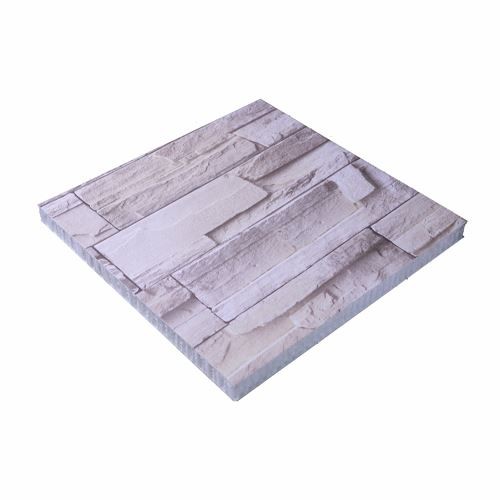
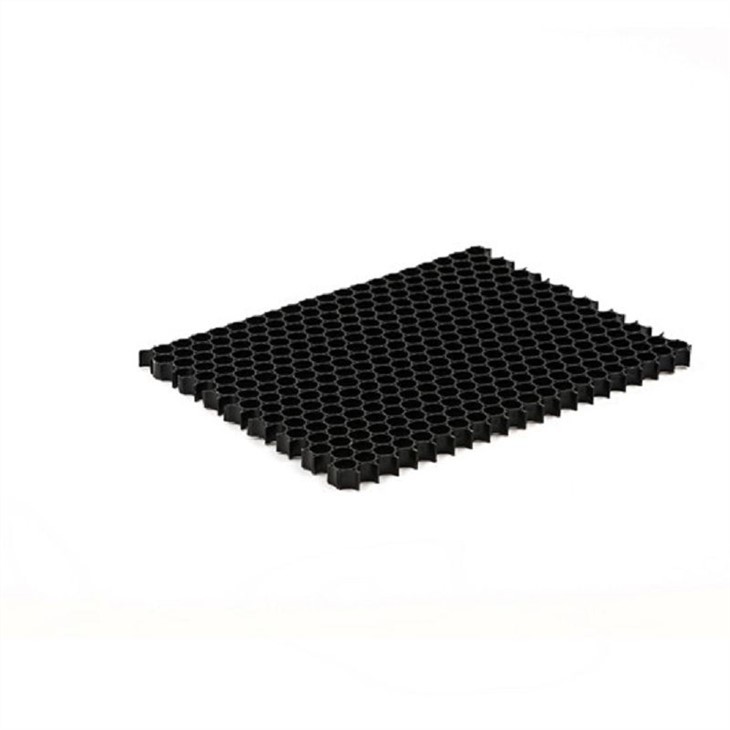
Honeycomb building panels consist of a honeycomb core, often made from materials like aluminum, paper, or Thermoplastic Honeycomb Core, sandwiched between two outer layers. These outer layers can be made of various materials such as metal, wood, plastic, or composite materials. The unique honeycomb structure provides excellent stiffness and stability while keeping the weight of the panel relatively low.
The Honeycomb - building - panels are used in a wide range of applications, including interior partitions, exterior cladding, furniture, and even in the aerospace and automotive industries. Their broad application scope makes it important to understand their maintenance requirements under different usage scenarios.
General Maintenance Needs
In general, honeycomb building panels do not require extremely special maintenance compared to some traditional building materials. One of the key advantages of these panels is their inherent durability. The honeycomb structure distributes stress evenly, reducing the risk of damage from normal wear and tear.
For regular cleaning, a mild detergent and a soft cloth or sponge are usually sufficient. This can help remove dust, dirt, and light stains from the surface of the panels. It is important to avoid using abrasive cleaners or harsh chemicals, as these can damage the outer layers of the panels. Abrasive materials may scratch the surface, which not only affects the appearance but can also reduce the panel's resistance to corrosion and weathering.
Maintenance Based on the Core Material
Aluminum Honeycomb Core
Panels with an aluminum honeycomb core are highly resistant to corrosion and have good heat and fire resistance properties. However, they can still be affected by environmental factors such as saltwater in coastal areas. In such cases, it is recommended to periodically inspect the panels for signs of corrosion, especially at the edges and joints.
If corrosion is detected, a mild aluminum cleaner can be used to remove the oxidation layer. After cleaning, a protective coating can be applied to prevent further corrosion. Regularly checking the fasteners used to install the panels is also important, as corrosion of the fasteners can affect the structural integrity of the installation.
Paper Honeycomb Core
Panels with a paper honeycomb core are more sensitive to moisture compared to other types. Excessive moisture can cause the paper to swell and lose its strength. Therefore, in areas with high humidity or where there is a risk of water exposure, proper ventilation and waterproofing measures should be taken.
If the panels get wet, they should be dried immediately using a dry cloth or a fan. It is also advisable to conduct regular visual inspections for signs of mold or mildew growth. If mold is detected, a mixture of water and vinegar can be used to clean the affected area.
Thermoplastic Honeycomb Core
Thermoplastic honeycomb cores offer good chemical resistance and are relatively easy to clean. They are resistant to many common household chemicals, which makes them suitable for a variety of environments.
However, thermoplastic materials can be affected by high temperatures. It is important to ensure that the panels are not exposed to extreme heat, as this can cause the material to deform. Regular inspections should be carried out to check for any signs of warping or melting, especially in areas where the panels are close to heat sources such as heaters or ovens.
Maintenance Based on the Outer Layers
The maintenance requirements also vary depending on the outer layer materials of the honeycomb building panels.
Metal Outer Layers
Metal outer layers, like aluminum or steel, are relatively durable. However, they can be prone to scratching and corrosion. To maintain their appearance and functionality, it is important to prevent scratches, which can expose the underlying metal to the environment.
If a scratch occurs, a touch - up paint can be used to cover the exposed area and prevent corrosion. Regularly cleaning the metal surface with a non - abrasive cleaner can help maintain its shine and protect it from dirt and contaminants.
Wood Outer Layers
Wood outer layers give a natural and warm look to the structures. However, wood requires more maintenance compared to other materials. It should be regularly treated with a sealer or a stain to protect it from moisture, UV rays, and insects.
Periodic sanding and refinishing may also be necessary, especially in high - traffic areas or areas exposed to the elements. It is important to check for signs of wood rot, decay, or insect infestation during routine inspections.
Plastic and Composite Outer Layers
Plastic and composite outer layers are generally low - maintenance. They are resistant to moisture, stains, and fading. A simple cleaning with a mild soap and water solution is usually enough to keep them clean.
However, over time, they may become dull due to exposure to sunlight and environmental factors. In such cases, a plastic cleaner or polish can be used to restore their shine.
Outdoor vs. Indoor Panels
Outdoor Panels
Outdoor honeycomb building panels are exposed to more extreme environmental conditions, including sunlight, rain, wind, and temperature fluctuations. These factors can cause the panels to fade, discolor, or experience physical damage over time.
Regular inspections are essential for outdoor panels. In addition to cleaning, it may be necessary to apply a protective coating every few years to enhance the panel's resistance to UV rays and weathering. Checking for any signs of damage, such as cracks or loose joints, after severe weather events is also important to ensure the panels' continued performance.
Indoor Panels
Indoor panels are generally less exposed to harsh environmental conditions. However, they can still accumulate dust, dirt, and stains from normal use. Regular cleaning is the main maintenance task for indoor panels.
In high - traffic areas, such as commercial buildings, more frequent cleaning may be required. Additionally, if the panels are used in areas with food or beverage spills, such as kitchens or cafes, extra care should be taken to clean up spills immediately to prevent staining.
Importance of Maintenance
Proper maintenance of honeycomb building panels is crucial for several reasons. Firstly, it ensures the panels' long - term performance. By preventing damage and deterioration, the panels can continue to provide the structural support and insulation properties they are designed for.
Secondly, maintenance helps to preserve the aesthetic appeal of the panels. Whether used in a modern office building or a residential home, the appearance of the panels contributes to the overall look and feel of the space.
Finally, regular maintenance can save costs in the long run. By addressing small issues early, expensive repairs or replacements can be avoided.
Conclusion
As a supplier of Honeycomb Building Panels, I can assure you that while these panels offer many advantages, they do require some level of maintenance. However, the maintenance requirements are generally not overly complex or time - consuming. By understanding the specific needs based on the core material, outer layer, and usage environment, you can ensure the long - term performance and beauty of your honeycomb building panels.
If you are considering purchasing honeycomb building panels for your next project, or if you have any questions about their maintenance or performance, feel free to contact us. Our team of experts is ready to provide you with the information you need and assist you in making the right choice.
References
- "Building Materials Handbook" by Minerals, Metals & Materials Society
- Various research papers on honeycomb structures in construction from academic databases.