

UV resistance is a critical factor when evaluating the durability and performance of building materials, especially in applications where the material is exposed to sunlight for extended periods. As a supplier of PET honeycomb panels, I often encounter inquiries about the UV resistance of these innovative products. In this blog post, I will explore what UV resistance means for PET honeycomb panels, how it is measured, and why it is important for various applications.
Understanding UV Radiation and Its Effects
Ultraviolet (UV) radiation is a type of electromagnetic radiation that is emitted by the sun. It is divided into three categories based on wavelength: UVA (320-400 nm), UVB (280-320 nm), and UVC (100-280 nm). UVC radiation is mostly absorbed by the Earth's atmosphere and does not reach the surface. However, UVA and UVB radiation can cause significant damage to materials over time.
When a material is exposed to UV radiation, it can undergo a process called photodegradation. This involves the breakdown of the material's chemical bonds due to the energy from the UV photons. The effects of photodegradation can include discoloration, loss of mechanical properties, surface cracking, and reduced lifespan of the material.
UV Resistance of PET Honeycomb Panels
PET (polyethylene terephthalate) is a thermoplastic polymer that is commonly used in the manufacturing of honeycomb panels. PET honeycomb panels are known for their lightweight, high strength, and excellent stiffness-to-weight ratio. However, like many polymers, PET is susceptible to UV degradation.
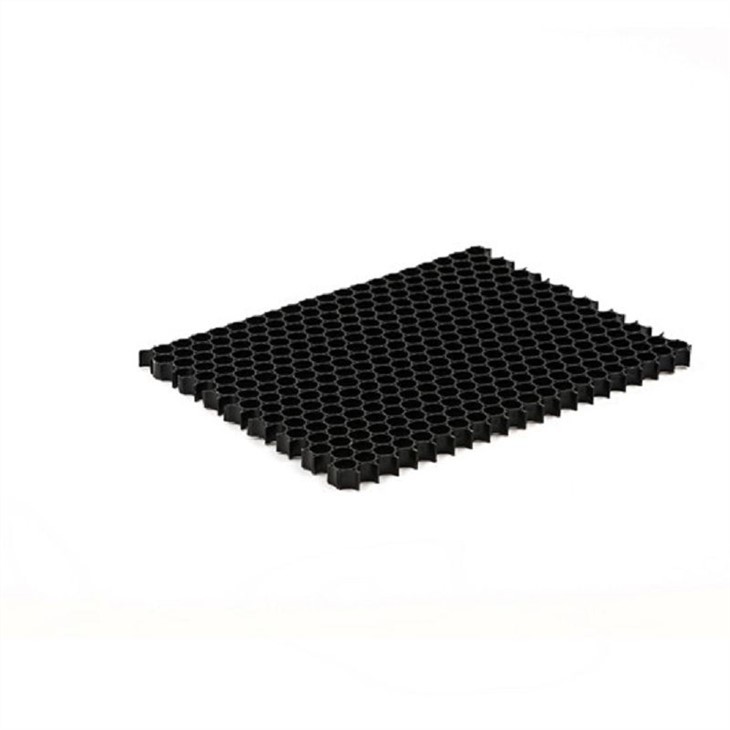
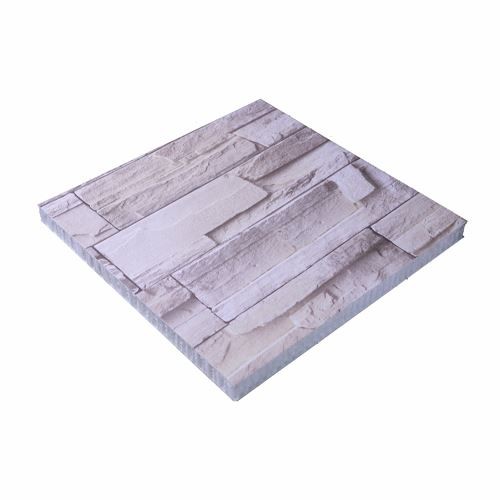
The UV resistance of a PET honeycomb panel depends on several factors, including the formulation of the PET resin, the presence of UV stabilizers, and the manufacturing process.
-
PET Resin Formulation: The base PET resin can be modified to improve its UV resistance. For example, some manufacturers use special grades of PET that have been engineered to have better light stability. These modified resins may contain additives that can absorb or reflect UV radiation, reducing the amount of energy that reaches the polymer chains.
-
UV Stabilizers: UV stabilizers are chemicals that are added to the PET resin during the manufacturing process to enhance its resistance to UV radiation. There are two main types of UV stabilizers: absorbers and blockers. UV absorbers work by absorbing the UV radiation and converting it into heat, which is then dissipated. UV blockers, on the other hand, reflect or scatter the UV radiation, preventing it from reaching the polymer.
-
Manufacturing Process: The way the PET honeycomb panel is manufactured can also affect its UV resistance. For example, proper extrusion and molding processes can ensure that the UV stabilizers are evenly distributed throughout the panel, providing consistent protection. Additionally, surface treatments such as coatings can be applied to the panel to further enhance its UV resistance.
Measuring UV Resistance
There are several methods for measuring the UV resistance of a material, including accelerated weathering tests and natural exposure tests.
- Accelerated Weathering Tests: These tests simulate the effects of long-term UV exposure in a short period of time. The material is placed in a chamber where it is exposed to high-intensity UV light, along with other environmental factors such as heat and moisture. The test conditions are carefully controlled to mimic the real-world environment. After a specified period of time, the material is evaluated for changes in its physical and chemical properties, such as color change, loss of gloss, and mechanical strength.
- Natural Exposure Tests: Natural exposure tests involve exposing the material to the actual outdoor environment for an extended period of time. This method provides the most realistic assessment of the material's UV resistance, as it takes into account the full spectrum of UV radiation, as well as other environmental factors such as temperature, humidity, and precipitation. However, natural exposure tests can be time-consuming and expensive, as they require a long time to obtain meaningful results.
Importance of UV Resistance in Applications
The UV resistance of a PET honeycomb panel is crucial for its performance in various applications. Here are some examples:
- Building and Construction: Honeycomb-building-panels are often used in building facades, roofing, and interior partitions. In these applications, the panels are exposed to sunlight for long periods of time. A panel with poor UV resistance may fade, crack, or lose its structural integrity over time, which can compromise the aesthetic and functional performance of the building.
- Transportation: PET honeycomb panels are used in the automotive, aerospace, and marine industries for applications such as interior trim, flooring, and structural components. In transportation applications, the panels are exposed to a combination of UV radiation, heat, and vibration. Good UV resistance is essential to ensure the durability and safety of these components.
- Advertising and Signage: PET honeycomb panels are popular for advertising displays and signage due to their lightweight and easy-to-machine properties. These panels are often placed outdoors, where they are exposed to direct sunlight. A panel with high UV resistance will maintain its color and appearance for a longer time, making the signage more effective and attractive.
Our PET Honeycomb Panels and UV Resistance
As a supplier of PET honeycomb panels, we are committed to providing products with excellent UV resistance. Our panels are made from high-quality PET resin that is formulated with advanced UV stabilizers. Through our state-of-the-art manufacturing processes, we ensure that the UV stabilizers are evenly distributed throughout the panel, providing consistent protection against UV radiation.
We also offer a range of surface treatments and coatings that can further enhance the UV resistance of our panels. These treatments not only protect the panel from UV damage but also improve its scratch resistance, chemical resistance, and overall durability.
Before delivering our products to customers, we conduct rigorous quality control tests, including accelerated weathering tests, to ensure that our panels meet the highest standards of UV resistance. This allows our customers to have confidence in the performance and longevity of our Thermoplastic Honeycomb Core panels.
Conclusion
The UV resistance of a PET honeycomb panel is an important consideration for its performance in various applications. By understanding the factors that affect UV resistance, measuring it accurately, and choosing a panel with high UV resistance, customers can ensure that their projects will have a long lifespan and maintain their aesthetic and functional qualities.
As a supplier of PET honeycomb panels, we are dedicated to providing our customers with products that offer superior UV resistance. If you are interested in learning more about our PET honeycomb panels or would like to discuss your specific requirements, please feel free to contact us. We look forward to the opportunity to work with you and provide you with the best solutions for your projects.
References
- ASTM International. (2023). Standard practices for exposure of plastics to natural weathering, fluorescent UV, and water.
- Wypych, G. (2019). Handbook of UV Degradation and Stabilization. William Andrew Publishing.
- Zweifel, H., Maier, R., & Schiller, M. (2012). Plastics Additives Handbook. Hanser Publishers.