

As a supplier of non-slip honeycomb panels, I often encounter inquiries from clients about various properties of these products. One question that comes up frequently is, "What is the tear-resistance of non-slip honeycomb panels?" In this blog post, I'll delve into this topic in detail, exploring the factors that influence tear-resistance, how it's measured, and why it matters in different applications.
Understanding Non-Slip Honeycomb Panels
Before we dive into tear-resistance, let's briefly understand what non-slip honeycomb panels are. These panels are characterized by a honeycomb-like structure, which provides a lightweight yet strong core. The non-slip surface is added to enhance safety, making them suitable for areas where there's a risk of slipping, such as industrial floors, marine decks, and even some architectural applications.
The honeycomb structure is typically made from materials like polypropylene (PP), which offers good strength-to-weight ratio. The non-slip layer can be achieved through various methods, such as adding textured surfaces or using special coatings.
Factors Influencing Tear-Resistance
Several factors can influence the tear-resistance of non-slip honeycomb panels.
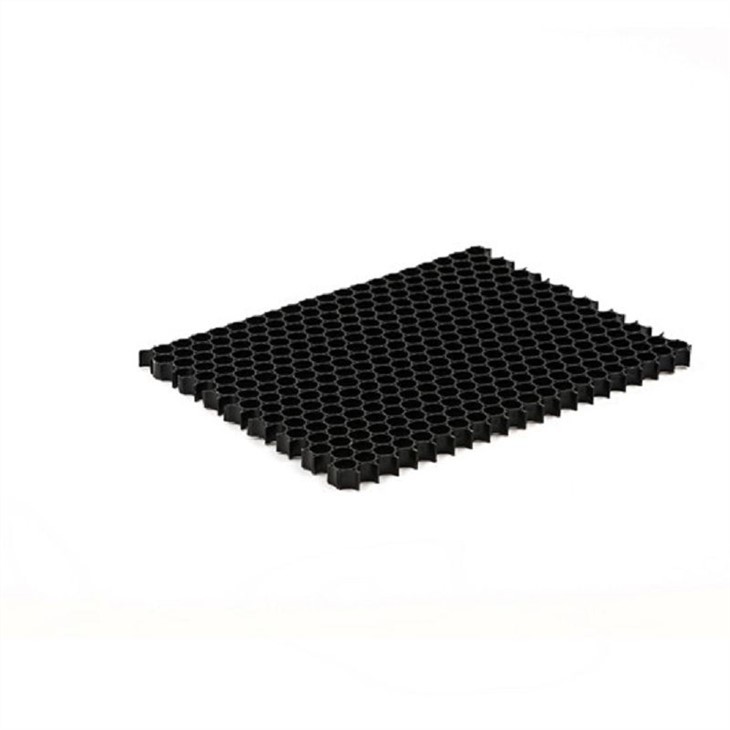
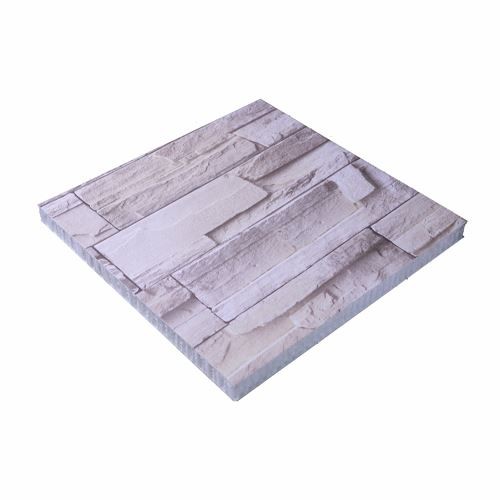
Material Composition
The base material of the honeycomb core plays a crucial role. For instance, Thermoplastic Honeycomb Core made from high-quality polypropylene generally offers better tear-resistance compared to lower-grade materials. Polypropylene has inherent properties that make it tough and resistant to tearing. Additionally, the non-slip layer material can also impact tear-resistance. If the non-slip coating is too brittle, it may crack and lead to easier tearing, while a flexible and well-bonded coating can enhance the overall tear-resistance of the panel.
Honeycomb Structure Design
The design of the honeycomb structure itself affects tear-resistance. Panels with a more uniform and dense honeycomb pattern tend to have better tear-resistance. A well-designed honeycomb distributes stress more evenly across the panel, preventing concentrated forces that could lead to tearing. The size and shape of the honeycomb cells also matter. Smaller cells can provide more support and resistance to tearing, as they can better withstand local stress concentrations.
Manufacturing Process
The manufacturing process can significantly influence tear-resistance. Precise control of parameters such as temperature, pressure, and extrusion speed during the production of the honeycomb core is essential. If these parameters are not properly managed, it can result in weak spots in the panel, reducing its tear-resistance. Similarly, the application of the non-slip layer requires careful attention to ensure good adhesion and proper curing, which are crucial for maintaining tear-resistance.
Measuring Tear-Resistance
Tear-resistance is typically measured using standardized testing methods. One common method is the Elmendorf tear test. In this test, a specimen of the non-slip honeycomb panel is clamped in a testing machine, and a pendulum is used to tear the specimen. The energy required to tear the specimen is measured, and this value is used as an indicator of the panel's tear-resistance.
Another method is the trouser tear test. In this test, a specimen is cut in a trouser-like shape, and the two legs of the "trouser" are pulled apart at a constant speed. The force required to propagate the tear is measured, providing information about the panel's tear-propagation resistance.
Importance of Tear-Resistance in Different Applications
The tear-resistance of non-slip honeycomb panels is of great importance in various applications.
Industrial Flooring
In industrial settings, floors are subject to heavy traffic, impacts, and abrasion. Non-slip honeycomb panels with high tear-resistance can withstand the wear and tear associated with forklift traffic, heavy machinery movement, and the dropping of heavy objects. A panel with poor tear-resistance may tear easily, leading to safety hazards and the need for frequent replacements, which can be costly.
Marine Applications
On boats and ships, non-slip honeycomb panels are used on decks to prevent slipping. These panels are exposed to harsh environmental conditions, including saltwater, UV radiation, and mechanical stress from waves and movement. High tear-resistance ensures that the panels can withstand the constant flexing and stress without tearing, providing long-lasting safety and durability.
Architectural Applications
In architectural projects, non-slip honeycomb panels may be used in areas such as ramps, stairways, and public spaces. Tear-resistant panels can maintain their integrity over time, even with high foot traffic. This is important not only for safety but also for the aesthetic appearance of the building. A torn panel can look unappealing and may require immediate replacement.
Our Non-Slip Honeycomb Panels and Tear-Resistance
As a supplier, we take great pride in the tear-resistance of our non-slip honeycomb panels. We use high-quality Thermoplastic Honeycomb Core materials and advanced manufacturing processes to ensure that our panels meet the highest standards of tear-resistance. Our panels undergo rigorous testing to ensure that they can withstand the demands of various applications.
We offer a range of Honeycomb-building-panels with different tear-resistance levels to meet the specific needs of our clients. Whether you need a panel for a light-duty application or a heavy-duty industrial environment, we have the right solution for you.
Conclusion
Tear-resistance is a critical property of non-slip honeycomb panels, influencing their performance, durability, and safety in various applications. Understanding the factors that affect tear-resistance, how it's measured, and its importance in different settings can help you make informed decisions when choosing non-slip honeycomb panels.
If you're interested in learning more about our non-slip honeycomb panels or have specific requirements for your project, we invite you to contact us for a detailed discussion. Our team of experts is ready to assist you in selecting the right panels for your needs and providing you with the best solutions.
References
- ASTM D1922 - Standard Test Method for Propagation Tear Resistance of Plastic Film and Thin Sheeting by Pendulum Method.
- ISO 6383 - Plastics - Film and sheeting - Determination of tear resistance.