

Can honeycomb composite boards be painted? This is a question I often encounter as a supplier of Honeycomb Composite Boards. In this blog, I'll delve into the details of painting honeycomb composite boards, exploring the feasibility, the process, and some key considerations.
Understanding Honeycomb Composite Boards
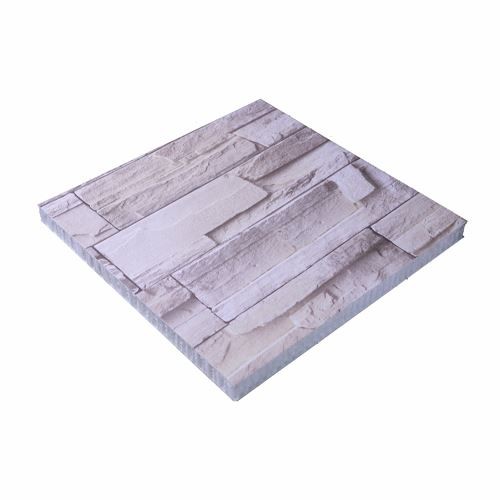
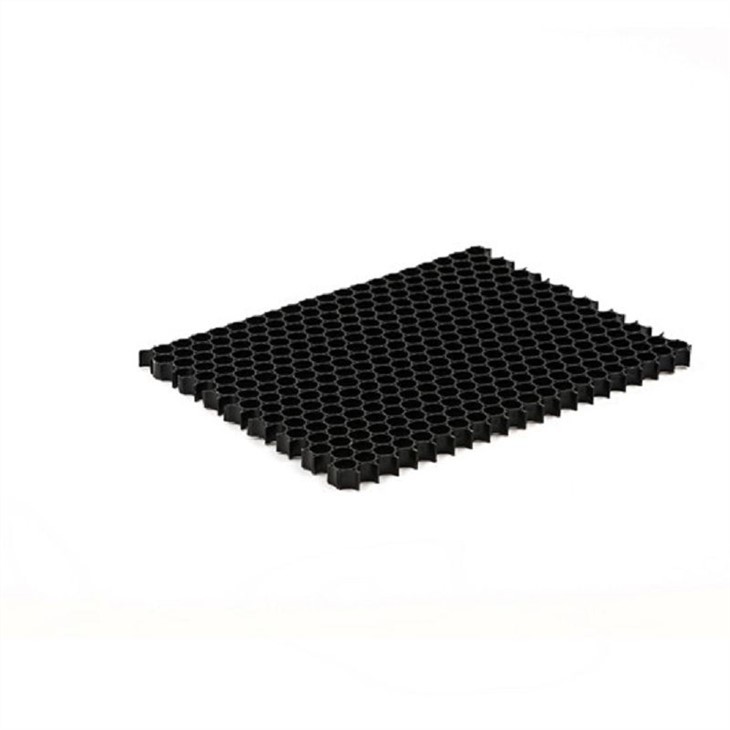
Before discussing painting, it's essential to understand what honeycomb composite boards are. These boards consist of a honeycomb core, often made from materials like paper, aluminum, or Thermoplastic Honeycomb Core, sandwiched between two outer layers, which can be made of various materials such as wood, plastic, or metal. The honeycomb structure provides excellent strength-to-weight ratio, making these boards lightweight yet strong. They are widely used in industries such as aerospace, automotive, construction, and furniture manufacturing.
Feasibility of Painting Honeycomb Composite Boards
The short answer is yes, honeycomb composite boards can be painted. However, several factors need to be considered to ensure a successful painting job.
Surface Preparation
The surface of the honeycomb composite board must be properly prepared before painting. This involves cleaning the board to remove any dirt, dust, grease, or other contaminants. A mild detergent and water solution can be used for cleaning, followed by thorough rinsing and drying. If the board has a smooth surface, it may need to be lightly sanded to create a rough texture that allows the paint to adhere better. However, be careful not to sand too aggressively, as this could damage the outer layer or expose the honeycomb core.
Compatibility of Paint
Not all paints are suitable for honeycomb composite boards. The paint should be compatible with the material of the outer layer of the board. For example, if the outer layer is made of plastic, a paint designed for plastic surfaces should be used. Similarly, if it's a wooden outer layer, a wood paint would be appropriate. It's also important to consider the type of paint, such as oil-based or water-based. Water-based paints are generally more environmentally friendly and easier to clean up, but oil-based paints may provide a more durable finish.
Environmental Conditions
The environmental conditions during painting can significantly affect the quality of the paint job. The temperature and humidity should be within the recommended range for the paint being used. Generally, a temperature between 15°C and 25°C and a relative humidity of 40% - 60% are ideal. Painting in extreme temperatures or high humidity can cause the paint to dry unevenly, bubble, or peel.
The Painting Process
Once the surface is prepared and the appropriate paint is selected, the following steps can be followed for painting honeycomb composite boards:
Priming
Applying a primer is an important step, especially if the board has a porous surface or if you want to improve the adhesion of the paint. The primer should be compatible with both the board material and the topcoat paint. Use a brush, roller, or spray gun to apply the primer evenly over the surface of the board. Allow the primer to dry completely according to the manufacturer's instructions.
Painting
After the primer has dried, it's time to apply the topcoat paint. You can use a brush, roller, or spray gun, depending on the size and shape of the board and your personal preference. If using a brush or roller, apply the paint in thin, even coats, working in the direction of the grain or texture of the board. If using a spray gun, hold it about 15 - 20 cm away from the board and move it in a steady, overlapping motion. Apply multiple thin coats rather than one thick coat to prevent drips, runs, and uneven drying. Allow each coat to dry completely before applying the next one.
Finishing
Once the final coat of paint has dried, you can add a finishing touch if desired. This could include sanding the surface lightly with fine-grit sandpaper to smooth out any imperfections, followed by applying a clear topcoat for added protection and a glossy finish.
Applications of Painted Honeycomb Composite Boards
Painted honeycomb composite boards have a wide range of applications. In the construction industry, Honeycomb-building-panels can be painted to match the architectural design of a building. They can be used for interior wall cladding, partitions, and exterior facades. In the furniture industry, painted honeycomb composite boards can be used to create stylish and lightweight furniture pieces. The ability to paint these boards allows for customization and creativity, enabling designers to achieve the desired look and color.
Key Considerations
- Durability: The durability of the paint job depends on various factors, such as the quality of the paint, the surface preparation, and the environmental conditions. If the painted board will be exposed to harsh conditions, such as direct sunlight, moisture, or abrasion, a more durable paint and proper protective measures may be required.
- Maintenance: Painted honeycomb composite boards require regular maintenance to keep them looking their best. This may include cleaning the surface with a mild detergent and water, avoiding abrasive cleaners or scrubbing, and touching up any chips or scratches as needed.
- Cost: The cost of painting honeycomb composite boards includes the cost of the paint, primer, tools, and labor. It's important to consider the overall cost when deciding whether to paint the boards and which type of paint to use.
Conclusion
In conclusion, honeycomb composite boards can be painted, but it requires proper surface preparation, the use of compatible paint, and attention to environmental conditions. By following the right process and considering the key factors, you can achieve a high-quality paint job that enhances the appearance and functionality of the boards. Whether you're in the construction, furniture, or other industries, painted honeycomb composite boards offer a versatile and cost-effective solution.
If you're interested in purchasing honeycomb composite boards or have any questions about painting them, please feel free to contact us for more information and to discuss your specific requirements.
References
- "Painting Techniques for Composite Materials" - Journal of Composite Materials
- "Guide to Surface Preparation and Painting of Building Materials" - Construction Industry Research Institute