

Hey there! As a supplier of honeycomb composite boards, I often get asked how these boards stack up against glass - fiber boards. So, I thought I'd write this blog to break down the differences and similarities between the two.
Basics of Honeycomb Composite Boards and Glass - Fiber Boards
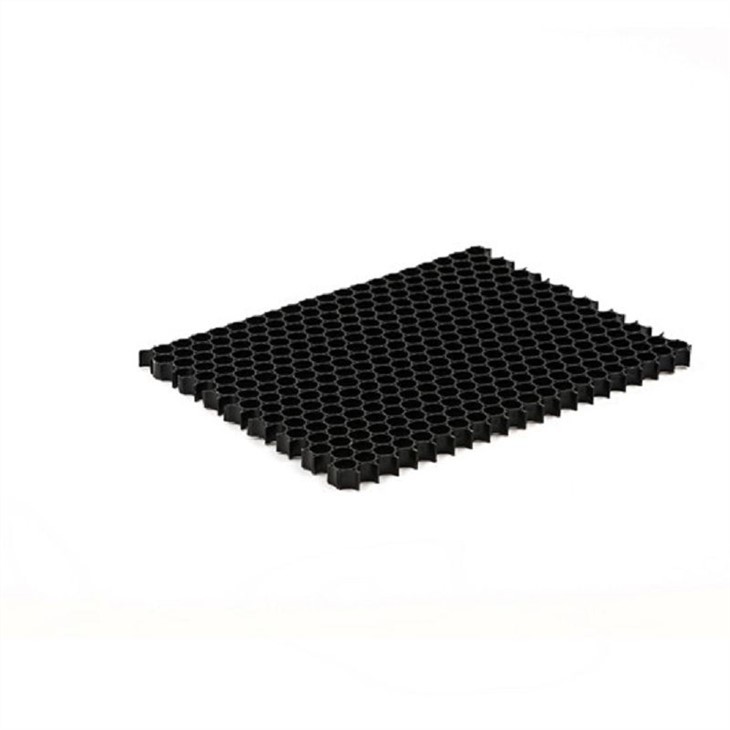
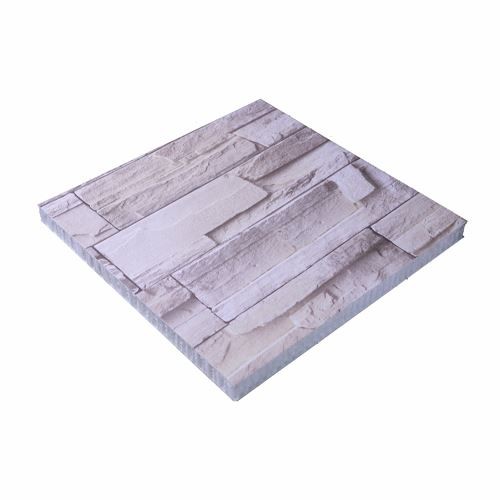
Let's start with a bit of background. Honeycomb composite boards are made up of a honeycomb core, which can be made from various materials like paper, aluminum, or Thermoplastic Honeycomb Core. This core is then sandwiched between two outer layers, usually made of materials such as wood, plastic, or metal. The honeycomb structure gives these boards their unique properties.
On the other hand, glass - fiber boards are made from glass fibers that are either woven or non - woven and then bonded together using a resin. These boards are well - known in industries like construction, automotive, and aerospace for their strength and durability.
Weight Comparison
One of the most significant differences between honeycomb composite boards and glass - fiber boards is their weight. Honeycomb composite boards are incredibly lightweight. The honeycomb core has a high strength - to - weight ratio, which means you get a lot of strength without a lot of mass. This makes them ideal for applications where weight is a critical factor, like in the aerospace industry. Planes need to be as light as possible to reduce fuel consumption, and honeycomb composite boards fit the bill perfectly.
Glass - fiber boards, while still relatively lightweight compared to some other materials, are generally heavier than honeycomb composite boards. The glass fibers and the resin used to bind them add more weight. For applications where weight isn't as much of a concern, like in some construction projects, glass - fiber boards can still be a great choice. But if you're looking to cut down on weight, honeycomb composite boards are the way to go.
Strength and Rigidity
When it comes to strength, both honeycomb composite boards and glass - fiber boards have their strengths (pun intended). Honeycomb composite boards are strong in a way that they can distribute loads evenly across the surface. The honeycomb structure acts like a series of small columns, which helps to support the weight placed on the board. They're also quite rigid, especially when the core and outer layers are properly selected and combined.
Glass - fiber boards are known for their high tensile strength. The glass fibers can withstand a lot of pulling force without breaking. They're also very good at resisting bending and flexing. In applications where you need a board that can handle a lot of stress in a single direction, like in the construction of bridges or large buildings, glass - fiber boards might be a better option. However, honeycomb composite boards can still hold their own in many situations, especially when designed for specific load requirements.
Cost
Cost is always a factor when choosing between materials. Honeycomb composite boards can vary in price depending on the materials used for the core and the outer layers. Generally, if you're using high - end materials like carbon fiber for the outer layers and a specialized honeycomb core, the cost can be quite high. But there are also more affordable options available, especially when using materials like paper or plastic for the core.
Glass - fiber boards also have a wide range of prices. The cost depends on the quality of the glass fibers, the type of resin used, and the manufacturing process. In some cases, glass - fiber boards can be more cost - effective, especially for large - scale projects where the raw materials are readily available and the manufacturing process is well - established. However, for smaller projects or applications where the unique properties of honeycomb composite boards are needed, the cost might be worth it.
Durability and Resistance
Honeycomb composite boards are quite durable. They can resist moisture, corrosion, and wear and tear to a certain extent. The outer layers can be chosen to provide additional protection. For example, if you use a plastic outer layer, it can help to keep out water and prevent the core from getting damaged. They're also resistant to some chemicals, depending on the materials used.
Glass - fiber boards are also very durable. They're resistant to fire, rot, and pests. The glass fibers themselves are not affected by water or most chemicals. However, the resin used to bind the fibers can sometimes be susceptible to damage from certain chemicals or high temperatures.
Applications
The applications of honeycomb composite boards and glass - fiber boards overlap in some areas but also differ significantly in others. Honeycomb composite boards are commonly used in the aerospace industry, as I mentioned earlier. They're also used in the automotive industry for interior panels and lightweight structural components. In the construction industry, Honeycomb - building - panels are becoming more popular for partitions, ceilings, and even exterior cladding.
Glass - fiber boards are widely used in the construction industry for insulation, roofing, and wall sheathing. They're also used in the marine industry for boat hulls and decks because of their resistance to water and corrosion. In the electrical industry, glass - fiber boards are used as insulators because of their non - conductive properties.
Environmental Impact
In today's world, environmental impact is an important consideration. Honeycomb composite boards can be more environmentally friendly in some ways. If the core is made from recycled materials like paper or plastic, it helps to reduce waste. Also, the lightweight nature of these boards can lead to reduced energy consumption during transportation and use.
Glass - fiber boards can also have a relatively low environmental impact. The glass fibers can be recycled, and the manufacturing process is becoming more energy - efficient. However, the production of the resin used in glass - fiber boards can sometimes involve chemicals that are not very eco - friendly.
Conclusion
So, how do honeycomb composite boards compare to glass - fiber boards? Well, it really depends on your specific needs. If you need a lightweight, cost - effective solution with good strength and durability for applications like aerospace or automotive, honeycomb composite boards are a great choice. If you need a board with high tensile strength, fire resistance, and good insulation properties for construction or marine applications, glass - fiber boards might be more suitable.
If you're interested in learning more about honeycomb composite boards or are considering a purchase, I'd love to have a chat with you. Whether you're a small - scale DIYer or a large - scale contractor, I can help you find the right honeycomb composite board for your project. Just reach out, and we can start the conversation about how these amazing boards can work for you.
References
- "Composite Materials Handbook" by various authors
- Industry reports on honeycomb composite boards and glass - fiber boards from market research firms
- Technical documents from manufacturers of honeycomb composite boards and glass - fiber boards