

As a supplier of Honeycomb Building Panels, I've often been asked about the shear strength of these remarkable construction materials. In this blog, I'll delve into the concept of shear strength, explain its significance for honeycomb building panels, and discuss the factors that influence it.
Understanding Shear Strength
Shear strength refers to the ability of a material to resist forces that cause one part of the material to slide past another. In the context of honeycomb building panels, shear forces can occur when the panel is subjected to lateral loads, such as wind pressure or seismic activity. When a shear force is applied to a honeycomb panel, it tries to deform the panel by causing the layers to slide relative to each other.
The shear strength of a honeycomb building panel is a critical property because it determines the panel's ability to withstand these lateral loads without failing. A panel with high shear strength will be more resistant to deformation and damage, making it suitable for use in a wide range of applications, from residential buildings to commercial structures.
The Structure of Honeycomb Building Panels and Shear Resistance
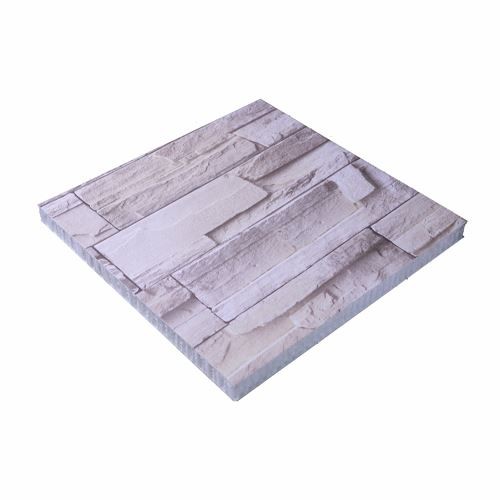
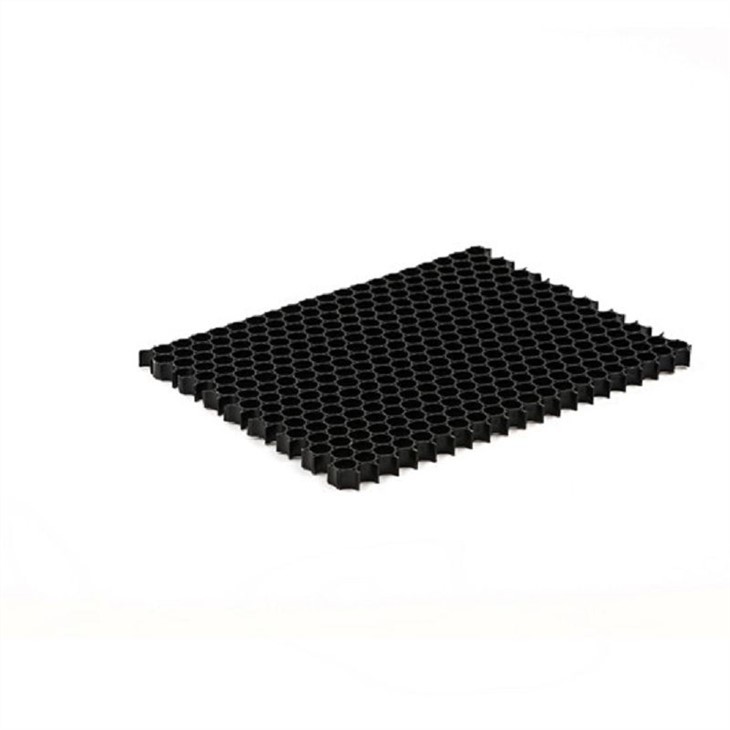
Honeycomb building panels typically consist of a honeycomb core sandwiched between two face sheets. The honeycomb core is usually made of materials like aluminum, paper, or Thermoplastic Honeycomb Core, while the face sheets can be made of various materials such as metal, wood, or composite materials.
The unique honeycomb structure of the core plays a crucial role in providing shear strength. The hexagonal cells of the honeycomb distribute the shear forces evenly throughout the panel, allowing it to resist deformation more effectively. The shape of the honeycomb cells also provides inherent stability, which helps to prevent the core from collapsing under shear stress.
The face sheets also contribute to the shear strength of the panel. They act as a barrier that helps to transfer the shear forces from one side of the panel to the other. The bond between the face sheets and the honeycomb core is also important, as a strong bond ensures that the forces are transferred efficiently between the layers.
Factors Affecting the Shear Strength of Honeycomb Building Panels
Several factors can influence the shear strength of honeycomb building panels. These include:
Core Material
The material used for the honeycomb core has a significant impact on the shear strength of the panel. For example, aluminum honeycomb cores are known for their high strength-to-weight ratio and excellent shear resistance. They are often used in applications where high performance is required, such as aerospace and marine industries.
On the other hand, paper honeycomb cores are more lightweight and cost-effective, but they generally have lower shear strength compared to aluminum cores. Thermoplastic Honeycomb Core offers a good balance between strength, weight, and cost. It is resistant to moisture, chemicals, and corrosion, making it suitable for a wide range of applications.
Cell Size and Wall Thickness
The size of the honeycomb cells and the thickness of the cell walls also affect the shear strength of the panel. Smaller cell sizes and thicker cell walls generally result in higher shear strength, as they provide more resistance to deformation. However, smaller cell sizes and thicker walls also increase the weight of the panel, so a balance needs to be struck between strength and weight.
Face Sheet Material and Thickness
The material and thickness of the face sheets can also influence the shear strength of the panel. Stronger and thicker face sheets will provide more resistance to shear forces. For example, metal face sheets are generally stronger than wood or composite face sheets, and they can significantly enhance the shear strength of the panel.
Bonding Quality
The quality of the bond between the face sheets and the honeycomb core is crucial for the shear strength of the panel. A strong bond ensures that the shear forces are transferred efficiently between the layers. Poor bonding can lead to delamination, which reduces the shear strength of the panel and can cause it to fail under load.
Testing the Shear Strength of Honeycomb Building Panels
To ensure the quality and performance of honeycomb building panels, it is important to test their shear strength. There are several standard test methods available for measuring the shear strength of honeycomb panels, such as the ASTM C273 test method.
In this test, a sample of the honeycomb panel is subjected to a shear force until it fails. The maximum shear force that the panel can withstand is recorded, and this value is used to calculate the shear strength of the panel. The test results can be used to compare the performance of different honeycomb panels and to ensure that they meet the required standards for a particular application.
Applications of Honeycomb Building Panels Based on Shear Strength
The high shear strength of honeycomb building panels makes them suitable for a wide range of applications. Some of the common applications include:
Wall Cladding
Honeycomb building panels are often used as wall cladding in commercial and residential buildings. Their high shear strength allows them to withstand wind pressure and other lateral loads, providing a durable and aesthetically pleasing exterior finish.
Partition Walls
In interior applications, honeycomb panels can be used as partition walls. Their lightweight nature and high shear strength make them easy to install and suitable for creating flexible and functional spaces.
Roofing
For roofing applications, honeycomb panels offer excellent resistance to wind uplift and other shear forces. They can provide a lightweight and energy-efficient alternative to traditional roofing materials.
Conclusion
The shear strength of honeycomb building panels is a critical property that determines their performance and suitability for various applications. The unique honeycomb structure of the core, combined with the choice of materials and the quality of the bonding, all contribute to the panel's ability to resist shear forces.
As a supplier of Honeycomb-building-panels, we are committed to providing high-quality products with excellent shear strength. Our panels are carefully engineered and tested to ensure that they meet the highest standards of performance and durability.
If you are interested in learning more about our honeycomb building panels or would like to discuss a potential project, please feel free to reach out. We are here to assist you in finding the right solution for your construction needs.
References
- ASTM C273 - Standard Test Method for Shear Strength of Sandwich Constructions.
- Various technical literature on honeycomb building panels from industry sources.