

Alright, folks! I'm here today as a supplier of honeycomb building panels to chat about a super important topic: the impact resistance of these panels. Let's jump right into it!
What Are Honeycomb Building Panels?
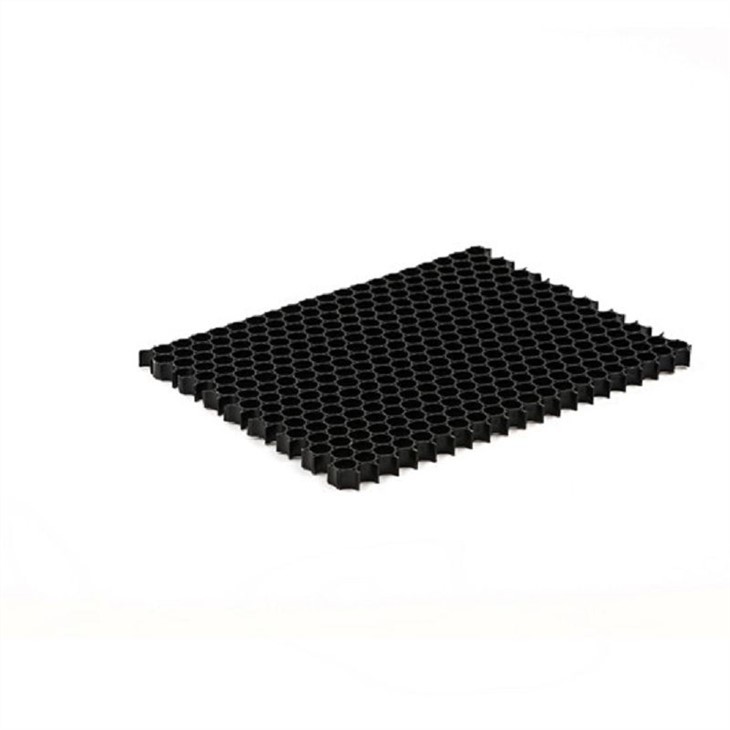
First off, let me give you a quick rundown on honeycomb building panels. These panels are made up of a honeycomb core sandwiched between two outer layers. You can check out the details about the Thermoplastic Honeycomb Core on our website. The honeycomb structure is not just cool to look at; it serves a really important purpose. It provides strength and stability while keeping the panel lightweight.
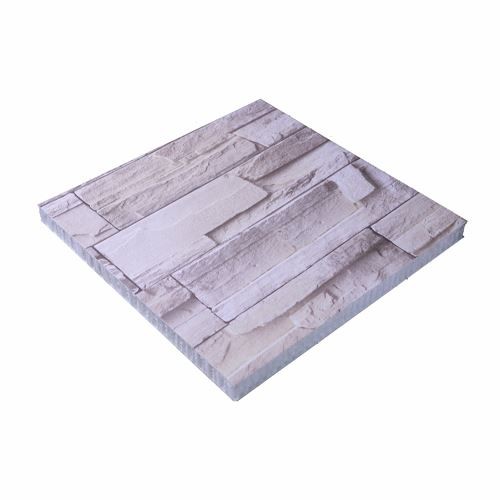
You can think of it like a beehive. Bees build these amazing honeycombs, and evolution has made them super efficient. Similarly, in honeycomb building panels, this structure distributes stress evenly across the panel. This is why they're used in so many different applications, from interior wall partitions to exterior facades. And if you want to learn more about the panels themselves, head over to our Honeycomb-building-panels page.
Impact Resistance and Why It Matters
Now, let's talk about impact resistance. Impact resistance is all about how well a material can withstand a sudden force or blow without getting damaged. For honeycomb building panels, this is a crucial property, especially in areas where there's a risk of impacts.
In construction, panels might get hit during the installation process. Workers might accidentally bump tools or equipment into them. In high - traffic areas like malls or hospitals, the panels could be hit by moving carts or people. Even in residential buildings, kids running around or furniture being moved can cause impacts. If the panels don't have good impact resistance, they'll end up with dents, cracks, or even break, which can ruin the aesthetics and functionality of the building.
Factors Affecting the Impact Resistance of Honeycomb Building Panels
Material of the Core and Outer Layers
The materials used to make the honeycomb core and the outer layers play a huge role in impact resistance. For the core, materials like thermoplastics are often used. They're lightweight but can absorb a good amount of energy when there's an impact. The outer layers can be made of materials like aluminum, steel, or high - strength plastics. Each material has its own properties. For example, aluminum is lightweight and corrosion - resistant, while steel is extremely strong.
Cell Size of the Honeycomb Core
The cell size of the honeycomb core also affects impact resistance. Smaller cell sizes generally mean more cells in a given area. This allows the panel to distribute the impact force more evenly across a larger number of cells. So, panels with smaller cell sizes tend to have better impact resistance. However, it's not just about the cell size; the thickness of the cell walls is also important. Thicker cell walls can provide more strength and better energy absorption.
Panel Thickness
The overall thickness of the honeycomb building panel matters too. A thicker panel can usually absorb more energy during an impact. But it's a balance, because increasing the thickness also means increasing the weight and cost of the panel. So, we need to find the right thickness for the specific application to ensure good impact resistance without going overboard.
Testing the Impact Resistance
We don't just claim that our honeycomb building panels have good impact resistance; we test them. There are a few different ways to test impact resistance. One common method is the drop - weight test. In this test, a weight is dropped from a certain height onto the panel. We measure the damage to the panel and how much energy it absorbed during the impact.
Another test is the pendulum impact test. Here, a pendulum is swung to hit the panel, simulating a sudden impact. These tests help us understand how well our panels will perform in real - world situations. We use the results to improve our panels and make sure they meet the high standards we set for them.
Real - World Applications and Impact Resistance
Interior Applications
In interior applications like wall partitions and ceilings, impact resistance is important for maintaining the look and integrity of the space. For example, in an office building, people might accidentally bump into the partitions. If the panels don't have good impact resistance, they'll quickly start to look shabby. Our honeycomb building panels can withstand these minor impacts, keeping the interior looking great for a long time.
Exterior Applications
When it comes to exterior facades, the panels face even more challenges. They can be hit by debris carried by strong winds, hail, or even small objects thrown during storms. Good impact resistance means that the panels can protect the building's interior from the elements and maintain the building's structural integrity.
Comparing Honeycomb Building Panels with Other Building Materials
Let's compare honeycomb building panels with some other common building materials in terms of impact resistance. Traditional plywood can be heavy and prone to splitting or cracking when hit. In contrast, our honeycomb building panels are lightweight and can absorb impacts better.
Concrete panels are very heavy and have good impact resistance, but they're also difficult to install and can be expensive. Our honeycomb panels offer a great alternative, with good impact resistance at a lower weight and cost.
Conclusion
To sum it up, the impact resistance of honeycomb building panels is a key feature that makes them a great choice for many construction projects. The unique honeycomb structure, combined with the right choice of materials and design, allows these panels to withstand impacts in various real - world scenarios.
Whether you're working on an interior project or an exterior facade, our honeycomb building panels can provide the durability and performance you need. If you're interested in learning more about our honeycomb building panels or are looking to make a purchase, don't hesitate to reach out. We're here to answer your questions and help you find the perfect panels for your project.
References
- industry reports on building materials testing
- research papers on honeycomb structures and their mechanical properties
- internal testing data from our honeycomb building panel production