

As a supplier of honeycomb composite boards, I often encounter a common question from clients and industry enthusiasts: Can honeycomb composite boards be laminated? In this blog post, I aim to provide a comprehensive and scientific answer to this question, delving into the technical aspects, advantages, challenges, and practical applications of laminating honeycomb composite boards.
Understanding Honeycomb Composite Boards
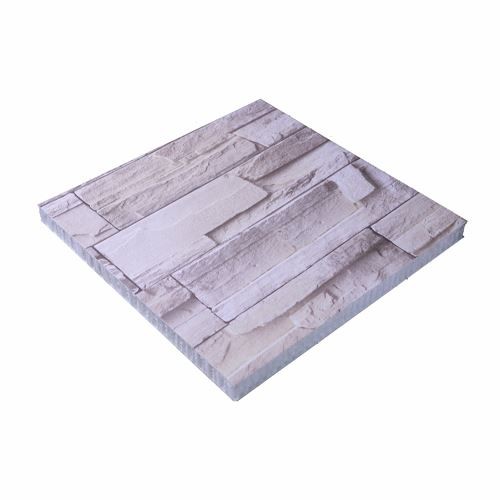
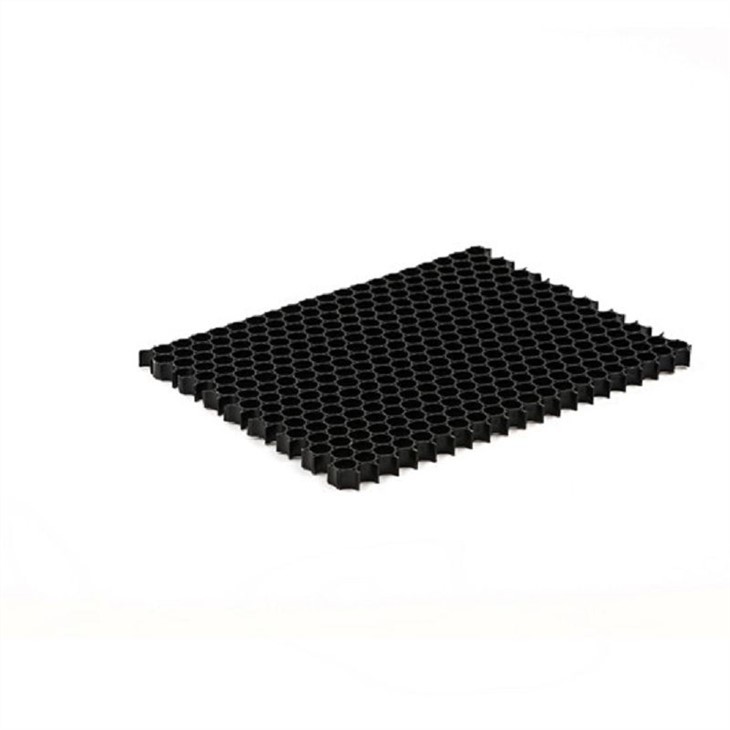
Before we discuss lamination, it's essential to understand what honeycomb composite boards are. These boards consist of a honeycomb core sandwiched between two face sheets. The honeycomb core, which can be made from various materials such as aluminum, paper, or thermoplastics like polypropylene, provides excellent strength-to-weight ratio, stiffness, and insulation properties. The face sheets, on the other hand, can be made from materials such as wood, metal, plastic, or fiber-reinforced composites, depending on the specific application requirements.
The unique structure of honeycomb composite boards makes them ideal for a wide range of applications, including aerospace, automotive, marine, building construction, furniture, and packaging. They are lightweight, yet offer high strength and rigidity, making them suitable for both load-bearing and non-load-bearing applications.
The Feasibility of Laminating Honeycomb Composite Boards
The short answer is yes, honeycomb composite boards can be laminated. Lamination involves bonding an additional layer of material to the surface of the board to enhance its performance, appearance, or functionality. However, the feasibility of lamination depends on several factors, including the type of honeycomb core, the face sheet material, the lamination method, and the intended application.
- Type of Honeycomb Core: Different types of honeycomb cores have different surface properties and compatibility with adhesives. For example, Thermoplastic Honeycomb Core offers good chemical resistance and can be easily laminated using thermoplastic adhesives. On the other hand, paper honeycomb cores may require special treatment or adhesives to ensure proper bonding.
- Face Sheet Material: The choice of face sheet material also affects the lamination process. Face sheets made from materials such as wood, metal, or plastic can be laminated using a variety of adhesives, including epoxy, polyurethane, and acrylic. However, the surface of the face sheet may need to be prepared properly to ensure good adhesion.
- Lamination Method: There are several methods for laminating honeycomb composite boards, including adhesive lamination, thermal lamination, and mechanical lamination. Adhesive lamination is the most common method, which involves applying an adhesive to the surface of the board and then bonding the additional layer of material. Thermal lamination uses heat to melt a thermoplastic adhesive, while mechanical lamination uses pressure and mechanical fasteners to bond the layers together.
- Intended Application: The intended application of the laminated honeycomb composite board also plays a role in determining the feasibility of lamination. For example, if the board is used in a high-temperature or high-humidity environment, the adhesive used for lamination must be able to withstand these conditions. Additionally, if the board is used in a structural application, the lamination process must not compromise its strength and stiffness.
Advantages of Laminating Honeycomb Composite Boards
Laminating honeycomb composite boards offers several advantages, including:
- Enhanced Appearance: Lamination can improve the aesthetic appeal of the board by providing a smooth, uniform surface. It can also be used to add decorative elements such as patterns, colors, or textures to the board.
- Increased Durability: The additional layer of material can protect the honeycomb core and face sheets from damage, such as scratches, abrasions, and chemical exposure. This can extend the lifespan of the board and reduce maintenance costs.
- Improved Performance: Lamination can enhance the performance of the board in various ways. For example, it can improve the board's fire resistance, moisture resistance, or sound insulation properties. It can also increase the board's strength and stiffness, making it suitable for more demanding applications.
- Customization: Lamination allows for greater customization of the board. Different types of materials can be laminated to the board to meet specific application requirements. For example, a waterproof layer can be laminated to the board for use in outdoor applications, or a conductive layer can be laminated to the board for use in electronic applications.
Challenges and Considerations
While laminating honeycomb composite boards offers many advantages, there are also some challenges and considerations that need to be taken into account:
- Adhesive Selection: Choosing the right adhesive is crucial for successful lamination. The adhesive must have good adhesion to both the honeycomb core and the face sheet material, as well as the additional layer of material. It must also be able to withstand the environmental conditions and mechanical stresses that the board will be exposed to.
- Surface Preparation: Proper surface preparation is essential for ensuring good adhesion. The surface of the board must be clean, dry, and free of any contaminants such as grease, oil, or dust. Depending on the material, the surface may also need to be roughened or treated with a primer to improve adhesion.
- Lamination Process Control: The lamination process must be carefully controlled to ensure uniform bonding and prevent defects such as air bubbles, delamination, or uneven thickness. This requires precise control of factors such as temperature, pressure, and adhesive application rate.
- Cost: Lamination can increase the cost of the honeycomb composite board, especially if special adhesives, materials, or equipment are required. Therefore, it's important to consider the cost-benefit ratio when deciding whether to laminate the board.
Practical Applications
Laminated honeycomb composite boards are used in a wide range of applications, including:
- Building Construction: Laminated honeycomb composite boards are used in building construction for applications such as wall panels, ceiling panels, floor panels, and partitions. They offer lightweight, high strength, and excellent insulation properties, making them suitable for both residential and commercial buildings. For more information on honeycomb building panels, you can visit Honeycomb-building-panels.
- Furniture: Laminated honeycomb composite boards are used in the furniture industry for applications such as tabletops, cabinet doors, and drawer fronts. They offer a smooth, uniform surface and can be easily customized with different colors and patterns.
- Packaging: Laminated honeycomb composite boards are used in the packaging industry for applications such as shipping containers, pallets, and protective packaging. They offer lightweight, high strength, and good shock absorption properties, making them ideal for protecting fragile goods during transportation.
- Transportation: Laminated honeycomb composite boards are used in the transportation industry for applications such as aircraft interiors, train interiors, and automotive components. They offer lightweight, high strength, and excellent fire resistance properties, making them suitable for use in high-performance applications.
Conclusion
In conclusion, honeycomb composite boards can be laminated to enhance their performance, appearance, and functionality. However, the feasibility of lamination depends on several factors, including the type of honeycomb core, the face sheet material, the lamination method, and the intended application. Laminating honeycomb composite boards offers many advantages, such as enhanced appearance, increased durability, improved performance, and customization. However, there are also some challenges and considerations that need to be taken into account, such as adhesive selection, surface preparation, lamination process control, and cost.
If you are interested in purchasing laminated honeycomb composite boards or have any questions about the lamination process, please feel free to contact us. Our team of experts is available to provide you with detailed information and guidance based on your specific requirements. We look forward to the opportunity to work with you and help you find the best solution for your project.
References
- "Composites Technology Handbook," edited by Robert C. Lacoe, Mark R. O'Brien, and John R. Logsdon.
- "Introduction to Composite Materials Design," by Daniel G. Hull and Timothy W. Clyne.
- "Honeycomb Structures: Their Properties and Applications," by George S. Springer.