

As a supplier of honeycomb building panels, I've witnessed firsthand the growing interest in these innovative materials. One of the most frequently discussed aspects is their aesthetic appeal. In this blog, I'll delve into how honeycomb building panels stack up in terms of visual allure compared to other traditional building materials.
The Unique Aesthetic of Honeycomb Building Panels
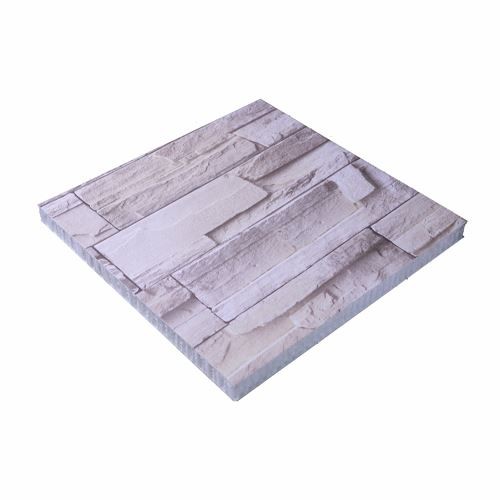
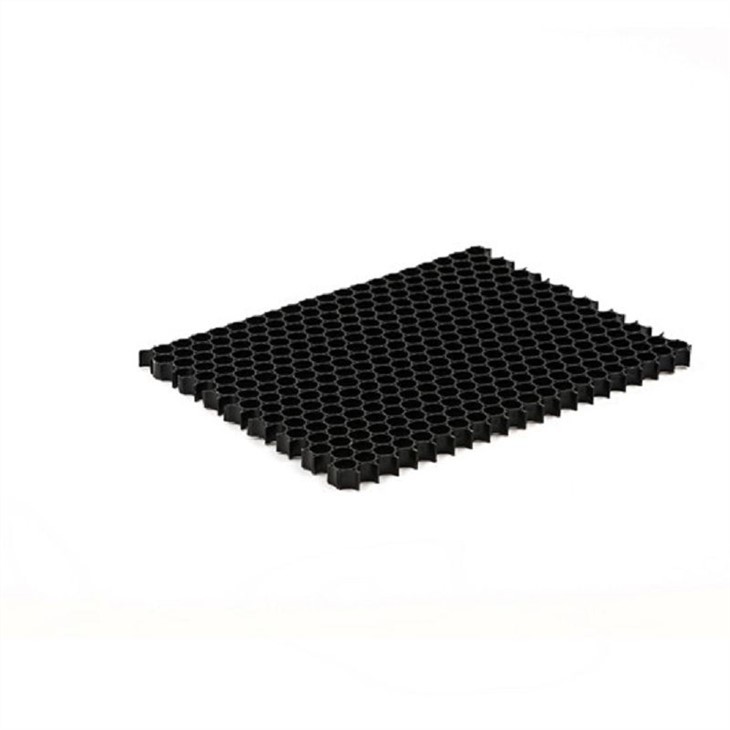
Honeycomb building panels possess a distinct and modern aesthetic that sets them apart from conventional options. The hexagonal honeycomb structure, visible through the panel's surface, creates a pattern that is both geometrically precise and visually captivating. This pattern can add a touch of sophistication and uniqueness to any building design.
The smooth and clean lines of honeycomb panels contribute to a contemporary look. Whether used on the exterior of a commercial building or the interior of a residential space, they can give a sleek and minimalist appearance. This is particularly appealing in modern architecture, where simplicity and functionality are highly valued.
Versatility in Design
One of the greatest advantages of honeycomb building panels in terms of aesthetic appeal is their versatility. They can be customized to fit a wide range of design requirements. For instance, the panels can be produced in various colors, allowing architects and designers to match them with the overall color scheme of the building. Whether it's a bold and vibrant color for a statement piece or a neutral tone for a more subdued look, honeycomb panels can deliver.
In addition to color, the size and shape of the panels can also be adjusted. This flexibility enables the creation of unique and complex designs that would be difficult or impossible to achieve with traditional materials. For example, curved or irregularly shaped panels can be used to add an element of dynamism to a building's facade.
Comparison with Traditional Building Materials
Brick and Stone
Brick and stone have long been popular choices for building exteriors due to their natural and rustic charm. However, they can be quite heavy and require significant structural support. In contrast, honeycomb building panels are lightweight, which not only reduces the load on the building's structure but also allows for more creative freedom in design.
In terms of appearance, while brick and stone offer a classic and timeless look, honeycomb panels provide a more contemporary and high-tech aesthetic. The smooth surface of honeycomb panels can create a sharp contrast with the rough texture of brick or stone, making them a great option for modern buildings that want to incorporate a touch of traditional elements.
Glass
Glass is another commonly used building material known for its transparency and ability to let in natural light. Honeycomb building panels, on the other hand, can offer a similar effect while also providing additional insulation and privacy. The honeycomb structure can diffuse light, creating a soft and even illumination inside the building.
In terms of visual impact, glass can sometimes appear cold and sterile, especially in large quantities. Honeycomb panels, with their unique pattern and customizable options, can add warmth and personality to a building's design. They can also be used in combination with glass to create a more interesting and dynamic facade.
Applications and Aesthetic Impact
Commercial Buildings
In commercial buildings, honeycomb building panels can make a strong statement. They can be used to create eye-catching facades that attract attention and differentiate a building from its neighbors. For example, a modern office building could use large, colorful honeycomb panels to give it a contemporary and professional look.
The panels can also be used in interior design to create partitions, wall claddings, or ceiling features. Their versatility allows for the creation of unique and functional spaces that enhance the overall aesthetic of the building.
Residential Buildings
In residential buildings, honeycomb building panels can add a touch of luxury and modernity. They can be used on the exterior to give a house a sleek and stylish appearance, or on the interior to create a more open and airy feel. For example, a minimalist home could use white honeycomb panels on the walls and ceilings to create a clean and contemporary look.
Sustainability and Aesthetic Appeal
In today's environmentally conscious world, sustainability is an important factor in building design. Honeycomb building panels are often made from recyclable materials, which makes them a more eco-friendly option compared to some traditional building materials.
The sustainable nature of honeycomb panels can also enhance their aesthetic appeal. Many people appreciate the idea of using environmentally friendly materials in their buildings, and the unique appearance of honeycomb panels can serve as a visible symbol of a commitment to sustainability.
Conclusion
In conclusion, honeycomb building panels offer a unique and appealing aesthetic that is both modern and versatile. Their distinct pattern, customizable options, and lightweight nature make them a great choice for a wide range of building applications. Whether used in commercial or residential buildings, they can add a touch of sophistication and style.
If you're interested in incorporating honeycomb building panels into your next project, I encourage you to Honeycomb-building-panels to learn more about our products. Our Thermoplastic Honeycomb Core is also a great option for those looking for high-quality and sustainable building materials.
We're always happy to discuss your specific needs and provide you with customized solutions. Contact us today to start a conversation about how honeycomb building panels can enhance the aesthetic appeal of your building.
References
- "Building Materials and Technology" by John R. Wilson
- "Modern Architecture: Design and Construction" by Sarah E. Thompson
- Industry reports on honeycomb building panels and their applications