

Hey there! As a supplier of PP Honeycomb Panels, I often get asked about the flexural strength of these panels. So, I thought I'd sit down and write a blog post to explain what it is, why it matters, and how it affects the performance of PP Honeycomb Panels.
First things first, let's talk about what flexural strength actually means. Flexural strength, also known as bending strength, is the ability of a material to resist deformation under bending loads. In simpler terms, it's how much force a material can take before it starts to bend or break when you try to curve it.
Now, why is flexural strength important when it comes to PP Honeycomb Panels? Well, these panels are used in a wide range of applications, from construction to transportation and packaging. In many of these applications, the panels are subjected to bending forces. For example, in construction, PP Honeycomb Panels might be used as wall partitions or roofing elements, and they need to be able to withstand the weight of other materials on top of them without bending or collapsing. In transportation, they could be used in vehicle interiors, where they need to resist the forces of movement and vibration. And in packaging, they need to protect the contents from being damaged by bending or impact.
So, what factors affect the flexural strength of PP Honeycomb Panels? There are several key factors to consider:
1. Material Quality
The quality of the polypropylene (PP) used to make the honeycomb panels plays a significant role in their flexural strength. High - quality PP resins have better mechanical properties, which means they can withstand more bending force. At our company, we source the best PP materials to ensure that our panels have excellent flexural strength.
2. Honeycomb Structure
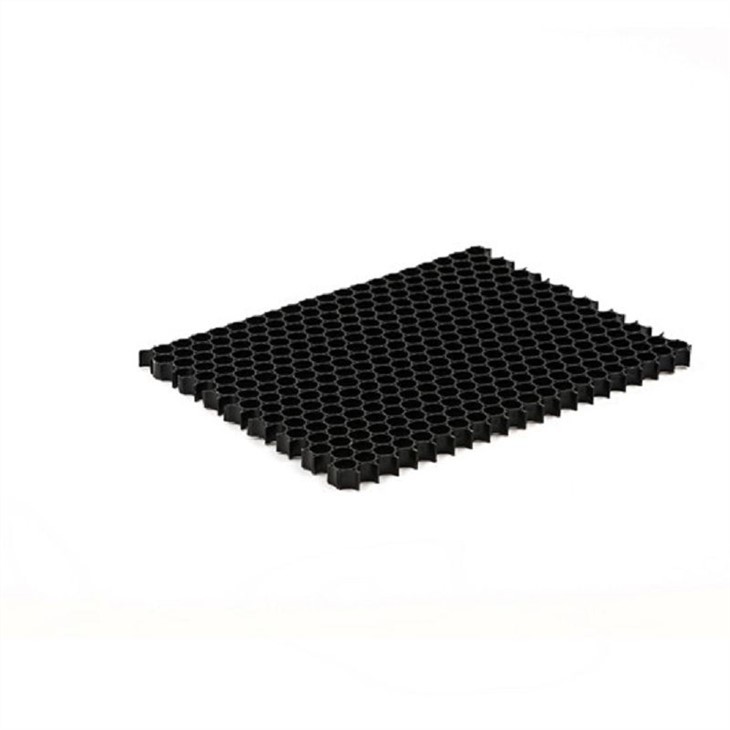
The design of the honeycomb structure also impacts flexural strength. The size of the honeycomb cells, the thickness of the cell walls, and the overall density of the honeycomb all contribute to how well the panel can resist bending. A well - designed honeycomb structure distributes the bending load evenly across the panel, reducing the stress on any one point.
3. Panel Thickness
Thicker panels generally have higher flexural strength. As the thickness increases, the panel becomes more rigid and can withstand greater bending forces. However, it's important to find the right balance, as thicker panels may also be heavier and more expensive.
4. Surface Treatment
Some surface treatments can enhance the flexural strength of PP Honeycomb Panels. For example, applying a protective coating can add an extra layer of strength and durability, making the panel more resistant to bending and damage.
Now, let's talk about how we measure the flexural strength of PP Honeycomb Panels. There are standard testing methods, such as the three - point bending test. In this test, a sample of the panel is placed on two supports, and a load is applied at the center until the panel starts to bend or break. The maximum load that the panel can withstand before failure is recorded, and this value is used to determine the flexural strength.
In general, the flexural strength of our PP Honeycomb Panels can range from a few megapascals (MPa) to over 20 MPa, depending on the specific product and its design. This range allows us to offer panels that are suitable for different applications, from light - duty packaging to heavy - duty construction projects.
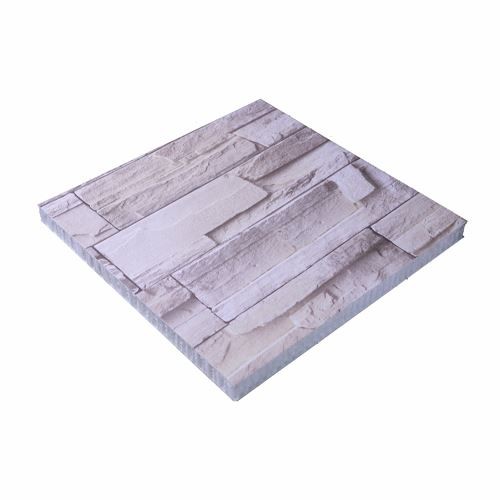
If you're in the market for high - quality PP Honeycomb Panels, you might be interested in our Thermoplastic Honeycomb Core and Honeycomb - building - panels. These products are designed with optimal honeycomb structures and high - quality materials to ensure excellent flexural strength and overall performance.
When you're choosing PP Honeycomb Panels for your project, it's crucial to consider the required flexural strength. If you're not sure what level of flexural strength you need, our team of experts is here to help. We can provide you with detailed information about our products and help you select the right panels for your specific application.
Whether you're a contractor looking for durable building materials, a manufacturer in need of reliable packaging solutions, or anyone else in the market for PP Honeycomb Panels, we've got you covered. Our panels are not only strong in terms of flexural strength but also offer other benefits such as lightweight, corrosion resistance, and easy installation.
So, if you're interested in learning more about our PP Honeycomb Panels or discussing your project requirements, don't hesitate to get in touch. We're always happy to have a chat and see how we can meet your needs. You can reach out to us to start a conversation about your potential purchase and how our products can be the perfect fit for your application.
In conclusion, the flexural strength of PP Honeycomb Panels is a critical property that determines their performance in various applications. By understanding the factors that affect flexural strength and choosing high - quality panels, you can ensure the success of your project. So, take the time to evaluate your needs and consider our PP Honeycomb Panels for your next venture.
References
- ASTM D790 - Standard Test Methods for Flexural Properties of Unreinforced and Reinforced Plastics and Electrical Insulating Materials
- TAPPI T808 om - 15 - Flexural Strength of Honeycomb Paperboard