

Hey there! As a supplier of Honeycomb Building Panels, I often get asked whether these panels are suitable for residential buildings. Well, let's dive right into it and explore the ins and outs of using honeycomb building panels in our homes.
What are Honeycomb Building Panels?
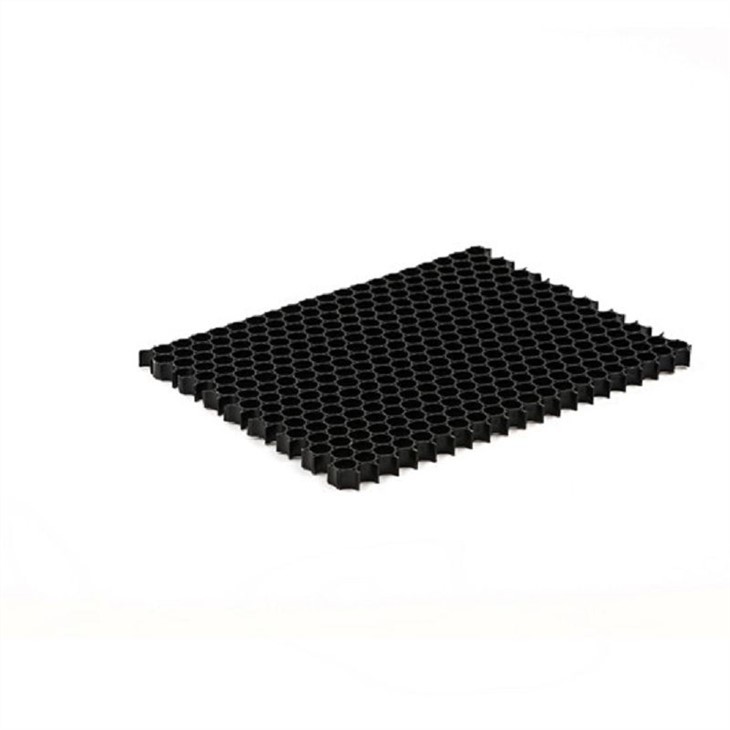
First off, let's talk a bit about what honeycomb building panels are. These panels are made up of a honeycomb core structure, which is usually sandwiched between two outer layers. The honeycomb core, like Thermoplastic Honeycomb Core, is designed to provide excellent strength while keeping the weight of the panel relatively low. The outer layers can be made of various materials, depending on the specific application and requirements. You can check out more about Honeycomb-building-panels on our website.
Advantages of Honeycomb Building Panels for Residential Buildings
Lightweight and Easy to Install
One of the biggest perks of honeycomb building panels is their lightweight nature. This makes them incredibly easy to handle during the construction process. You don't need heavy machinery to lift and install them, which can save a lot of time and money. For homeowners who are looking to do some DIY work or for contractors who want to speed up the building process, this is a huge advantage. You can quickly get the panels in place, reducing the overall construction time and minimizing disruptions to your daily life.
Excellent Insulation Properties
When it comes to keeping your home comfortable, insulation is key. Honeycomb building panels offer great insulation against both heat and cold. The honeycomb structure creates a series of small air pockets, which act as natural insulators. This means that your home will stay warmer in the winter and cooler in the summer, reducing your energy consumption and lowering your utility bills. Who doesn't want to save some money while also being more environmentally friendly?
High Strength and Durability
Despite their lightweight design, honeycomb building panels are surprisingly strong. The honeycomb core provides a high level of structural integrity, making the panels resistant to impacts and vibrations. This means that they can withstand the wear and tear of daily life in a residential setting. Whether it's kids running around, furniture being moved, or even minor natural disasters like earthquakes or strong winds, these panels can hold up well and keep your home safe and secure.
Design Flexibility
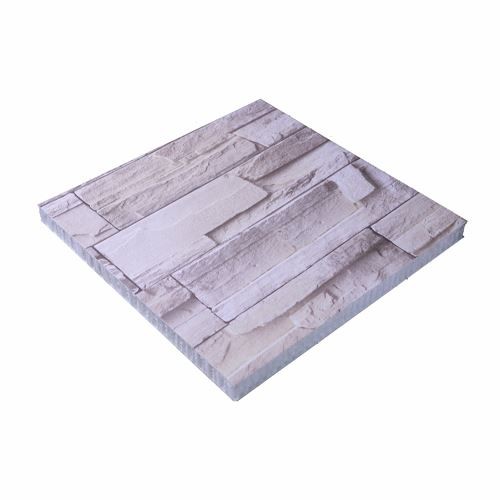
Another great thing about honeycomb building panels is their design flexibility. They can be easily customized to fit different architectural styles and design requirements. You can choose from a variety of colors, finishes, and textures to match the look and feel of your home. Whether you're going for a modern, minimalist aesthetic or a more traditional look, honeycomb building panels can be tailored to suit your needs. This allows you to create a unique and personalized home that stands out from the rest.
Potential Drawbacks of Honeycomb Building Panels for Residential Buildings
Cost
One of the main concerns that some homeowners have is the cost of honeycomb building panels. Compared to traditional building materials like wood or concrete, they can be a bit more expensive upfront. However, it's important to consider the long-term benefits. The energy savings, durability, and design flexibility that these panels offer can make them a cost-effective choice in the long run. You may end up saving money on energy bills and maintenance over the life of your home, which can offset the initial investment.
Limited Availability
Depending on where you live, honeycomb building panels may not be as readily available as other building materials. This can make it a bit more challenging to source them and may require some extra time and effort on your part. However, as the demand for these panels continues to grow, more suppliers are starting to offer them, so this issue may become less of a problem in the future.
Real-World Examples
To give you a better idea of how honeycomb building panels work in residential buildings, let's take a look at a few real-world examples. There are several homes around the world that have successfully incorporated these panels into their construction. For instance, in some modern eco-friendly homes, honeycomb building panels have been used to create energy-efficient walls and roofs. These homes not only look great but also have a much lower carbon footprint compared to traditional homes.
In addition, some architects are using honeycomb building panels to create unique and innovative designs. They're taking advantage of the panels' lightweight and design flexibility to build homes with interesting shapes and features. This shows that honeycomb building panels can be a great choice for homeowners who are looking for something different and want to make a statement with their home.
Making the Decision
So, are honeycomb building panels suitable for residential buildings? The answer is a resounding yes! While there are some potential drawbacks, the benefits far outweigh them. If you're looking for a lightweight, energy-efficient, durable, and customizable building material for your home, honeycomb building panels are definitely worth considering.
If you're interested in learning more about honeycomb building panels or if you're ready to start a project, I'd love to hear from you. We can discuss your specific needs and requirements and help you find the right solution for your home. Don't hesitate to reach out and start the conversation. We're here to help you create the home of your dreams.
References
- Smith, J. (2020). The Future of Building Materials. Construction Magazine.
- Johnson, A. (2019). Honeycomb Structures in Architecture. Architectural Review.
- Brown, K. (2018). Energy-Efficient Building Solutions. Green Building Journal.