

Hey there! As a supplier of PET honeycomb panels, I've been getting a lot of questions lately about whether these panels can be used in the textile industry. Well, let's dive right in and explore this topic.
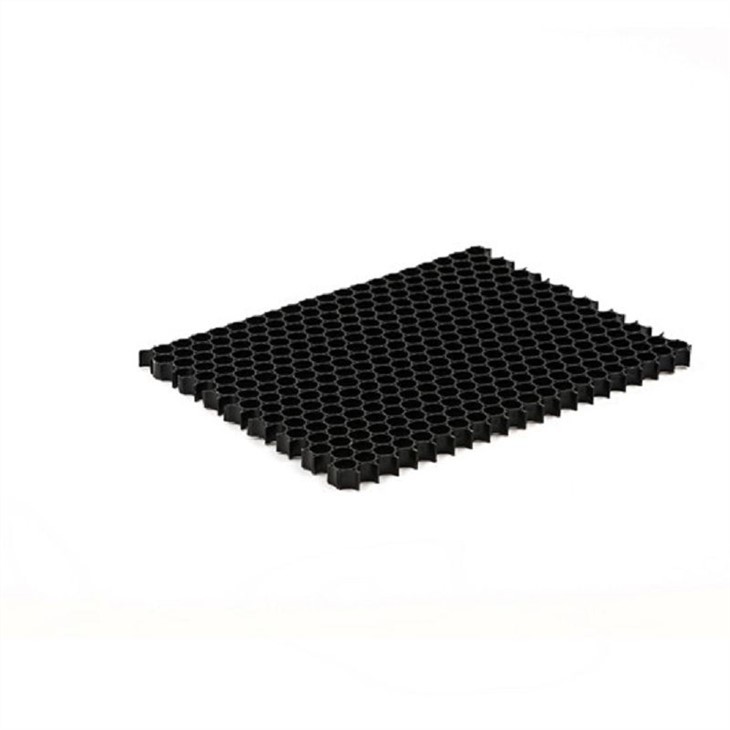
First off, let's talk about what PET honeycomb panels are. PET stands for polyethylene terephthalate, which is a type of thermoplastic polymer. These honeycomb panels are made by sandwiching a honeycomb core between two layers of PET sheets. The honeycomb structure gives the panels excellent strength-to-weight ratio, making them lightweight yet sturdy. They're also known for their high stiffness, good insulation properties, and resistance to chemicals and moisture.
Now, when it comes to the textile industry, there are several areas where PET honeycomb panels could potentially be a great fit.
1. Display and Exhibition
In the textile industry, display and exhibition play a crucial role in showcasing products. Whether it's a fashion show, a textile trade fair, or a store display, creating an eye - catching and durable display is essential. PET honeycomb panels can be used to build display stands, partitions, and backdrops. Their lightweight nature makes them easy to transport and install, while their strength ensures that they can withstand the rigors of an exhibition environment. For example, a designer could use these panels to create a unique and modern display for a new textile collection. The smooth surface of the PET sheets can also be easily printed on, allowing for customized branding and product information. You can check out more about honeycomb building panels on this link: Honeycomb - building - panels.
2. Textile Machinery
Textile machinery often requires components that are both strong and lightweight. PET honeycomb panels can be used in the construction of machine frames, covers, and guards. Their high stiffness helps to maintain the structural integrity of the machinery, while their light weight reduces the overall weight of the equipment, which can lead to energy savings and easier operation. Additionally, the panels' resistance to chemicals and moisture makes them suitable for use in the often - humid and chemically - exposed environment of textile manufacturing plants. The Thermoplastic Honeycomb Core used in these panels provides the necessary strength and stability for such applications.
3. Packaging
The textile industry needs proper packaging to protect its products during transportation and storage. PET honeycomb panels can be used to create custom - made packaging solutions. Their shock - absorbing properties can safeguard delicate textiles from damage. For instance, a high - end silk fabric could be packaged in a box lined with PET honeycomb panels to prevent creasing and tearing. The panels can also be cut and shaped easily to fit the specific dimensions of the textile products, providing a snug and protective fit.
4. Interior Design in Textile Stores
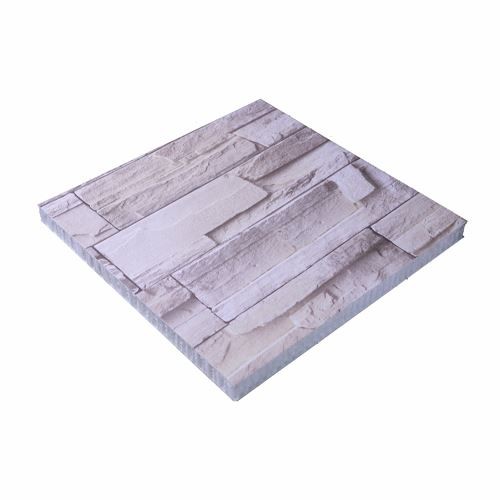
Textile stores often want to create an inviting and stylish interior. PET honeycomb panels can be used for wall cladding, ceiling panels, and even furniture. They can be finished in a variety of colors and textures to match the store's design theme. For example, a store could use wood - grain - finished PET honeycomb panels to create a warm and rustic atmosphere, while a more modern store might opt for a glossy white finish. The panels' ease of installation also means that store owners can quickly update their interior design without major disruptions to their business.
However, like any material, there are also some considerations when using PET honeycomb panels in the textile industry.
Challenges
One of the main challenges is cost. PET honeycomb panels can be more expensive than traditional materials in some cases. Textile manufacturers and retailers need to weigh the benefits against the cost to determine if it's a viable option for their specific needs. Another issue is recycling. While PET is a recyclable material, the recycling process for honeycomb panels can be more complex due to the combination of the honeycomb core and the outer PET sheets. This might be a concern for environmentally - conscious companies in the textile industry.
Solutions
To address the cost issue, suppliers like me are constantly looking for ways to optimize production processes and reduce costs. We're also working on developing more cost - effective grades of PET honeycomb panels without sacrificing quality. As for the recycling problem, research is being done to improve the recycling methods for these panels. Some companies are exploring ways to separate the different components of the panels more efficiently so that each part can be recycled properly.
In conclusion, PET honeycomb panels have a lot of potential in the textile industry. They offer unique advantages in terms of strength, weight, and design flexibility. Whether it's for display, machinery, packaging, or interior design, these panels can provide innovative solutions.
If you're in the textile industry and are interested in exploring the use of PET honeycomb panels for your business, I'd love to have a chat with you. We can discuss your specific requirements, and I can provide you with samples and detailed information about our products. Don't hesitate to reach out to start a conversation about how PET honeycomb panels can benefit your operations.
References
- Industry reports on advanced materials in the textile sector
- Research papers on the properties and applications of PET honeycomb panels
- Interviews with textile manufacturers and designers