

Hey there! As a supplier of Non Woven Honeycomb Panels, I often get asked about the chemical resistance of these amazing products. So, I thought I'd take a moment to break it down for you and give you a better understanding of what makes our Non Woven Honeycomb Panels stand up to various chemicals.
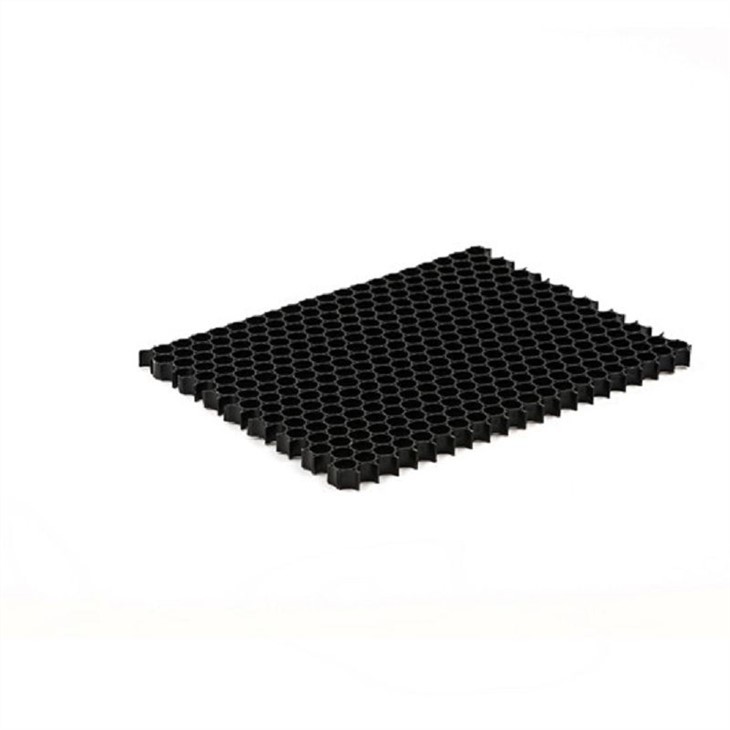
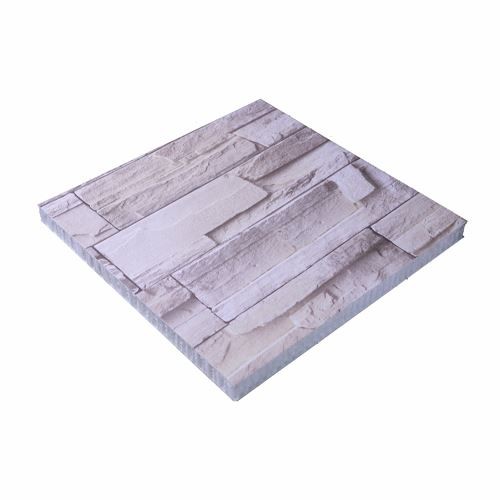
First off, let's talk about what Non Woven Honeycomb Panels are. They're lightweight, yet incredibly strong panels that are made from a honeycomb structure. This structure gives them excellent stiffness and durability while keeping the weight down. They're used in a wide range of applications, from Honeycomb - building - panels to aerospace components.
Now, chemical resistance is a crucial factor when it comes to choosing the right material for your project. You don't want your panels to degrade or lose their properties when they come into contact with chemicals. Our Non Woven Honeycomb Panels are designed to have good chemical resistance, but it's important to understand that this can vary depending on the type of chemicals they're exposed to.
Resistance to Common Chemicals
Water and Moisture
One of the most common "chemicals" that materials are exposed to is water. Our Non Woven Honeycomb Panels have a decent level of water resistance. The non - woven material and the honeycomb structure work together to prevent water from easily penetrating the panel. This makes them suitable for applications where they might get wet, like in outdoor building projects or marine environments. However, if they're submerged in water for long periods, some moisture absorption might occur, but it won't cause the panel to completely fall apart.
Acids
When it comes to acids, the resistance of our Non Woven Honeycomb Panels depends on the strength and type of the acid. Mild acids, like acetic acid (found in vinegar), usually don't have a significant impact on the panels. But stronger acids, such as sulfuric acid or hydrochloric acid, can start to break down the non - woven material over time. The honeycomb structure might also be affected, leading to a loss of strength and integrity. So, if your project involves exposure to strong acids, you might need to take extra precautions, like applying a protective coating.
Bases
Similar to acids, the resistance to bases varies. Weak bases, like sodium bicarbonate (baking soda solution), generally won't harm the panels. But strong bases, such as sodium hydroxide, can be more problematic. They can react with the non - woven fibers and weaken the panel. It's always a good idea to test the panel with the specific base you'll be using in your application to see how it holds up.
Organic Solvents
Organic solvents, like acetone, toluene, and ethanol, can have different effects on our Non Woven Honeycomb Panels. Some solvents might cause the panel to swell or lose its shape. For example, acetone is a strong solvent that can dissolve some types of non - woven materials. Ethanol, on the other hand, might have a milder effect, but it can still cause some softening of the panel over time. If your project involves exposure to organic solvents, it's essential to choose the right grade of Non Woven Honeycomb Panel that has better resistance to those specific solvents.
Factors Affecting Chemical Resistance
Material Composition
The chemical resistance of our Non Woven Honeycomb Panels is largely determined by the material they're made from. Different non - woven fibers have different chemical properties. For example, panels made from polypropylene fibers tend to have better resistance to many chemicals compared to panels made from natural fibers. Polypropylene is a thermoplastic polymer, and it's known for its chemical inertness. That's why our Thermoplastic Honeycomb Core products often offer better chemical resistance.
Surface Treatment
We can also apply surface treatments to our Non Woven Honeycomb Panels to enhance their chemical resistance. For example, a special coating can be applied to the surface of the panel to create a barrier between the panel and the chemicals. This coating can be made from materials that are more resistant to the specific chemicals the panel will be exposed to. It can significantly improve the panel's performance in harsh chemical environments.
Thickness and Density
The thickness and density of the Non Woven Honeycomb Panel can also affect its chemical resistance. Thicker panels generally have better resistance because there's more material to withstand the chemical attack. Higher - density panels also tend to be more resistant because the fibers are more closely packed together, making it harder for chemicals to penetrate.
Testing Chemical Resistance
We take chemical resistance seriously, and we conduct various tests to ensure that our Non Woven Honeycomb Panels meet the required standards. One common test is the immersion test. In this test, samples of the panel are immersed in different chemicals for a specific period of time. After that, we measure the changes in the panel's properties, such as weight, dimensions, and strength. We also use visual inspection to check for any signs of degradation, like discoloration or cracking.
Another test we use is the spray test. In this test, the panel is sprayed with a chemical solution to simulate real - world exposure. We then monitor the panel over time to see how it responds to the chemical spray. These tests help us to determine the suitability of our panels for different applications and to make any necessary improvements to the product.
Applications Based on Chemical Resistance
Construction
In the construction industry, our Non Woven Honeycomb Panels are used in various applications. For exterior building cladding, the panels need to have good resistance to environmental chemicals, like rainwater, which might contain small amounts of acids due to air pollution. Our panels' water - resistant properties make them a great choice for this application. They can also be used in interior partitions where they might be exposed to cleaning chemicals. As long as the cleaning chemicals are mild, our panels can withstand the exposure without any major issues.
Automotive
In the automotive industry, Non Woven Honeycomb Panels can be used for interior components. They might be exposed to various chemicals, such as automotive fluids (like oil and coolant) and cleaning agents. Our panels with good chemical resistance can ensure that these interior components last longer and maintain their appearance and performance.
Aerospace
In the aerospace industry, where weight is a critical factor, our lightweight Non Woven Honeycomb Panels are used. They need to have excellent chemical resistance because they might be exposed to aviation fuels, hydraulic fluids, and other chemicals. Our panels' ability to resist these chemicals makes them a reliable choice for aerospace applications.
Conclusion
So, there you have it! The chemical resistance of our Non Woven Honeycomb Panels is a complex but important topic. It depends on various factors, including the type of chemicals, the material composition, surface treatment, and the thickness and density of the panel. We've done our best to design and manufacture panels that can withstand a wide range of chemical exposures, but it's always important to consider the specific requirements of your project.
If you're interested in learning more about our Non Woven Honeycomb Panels or have a project in mind where you need panels with specific chemical resistance, don't hesitate to reach out. We're here to help you choose the right product for your needs and to answer any questions you might have. Let's start a conversation and see how we can work together to make your project a success.
References
- ASTM International. (20XX). Standard test methods for evaluating the chemical resistance of materials.
- ISO Standards. (20XX). International standards for testing the properties of non - woven materials.