

What is the bonding strength of a PET honeycomb panel with other materials?
As a supplier of PET honeycomb panels, I've often been asked about the bonding strength of these panels with other materials. This is a crucial aspect, especially when considering the diverse applications of PET honeycomb panels in industries such as aerospace, automotive, construction, and furniture manufacturing. In this blog post, I'll delve into the factors that affect the bonding strength of PET honeycomb panels with other materials, explore common bonding methods, and discuss the significance of this strength in real - world applications.
Factors Affecting Bonding Strength
The bonding strength between a PET honeycomb panel and other materials is influenced by several factors. First and foremost is the surface properties of both the PET honeycomb panel and the mating material. The surface energy of the materials plays a vital role. PET honeycomb panels have a relatively low surface energy, which can make it challenging for adhesives to wet out and form a strong bond. Surface treatments such as corona treatment, plasma treatment, or chemical etching can be used to increase the surface energy of the PET honeycomb, enhancing the adhesion of the adhesive.
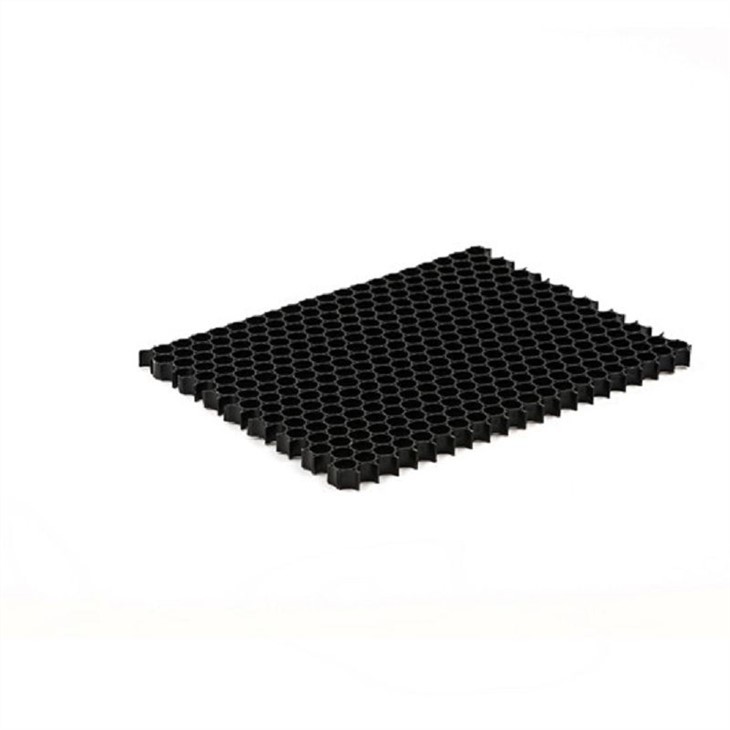
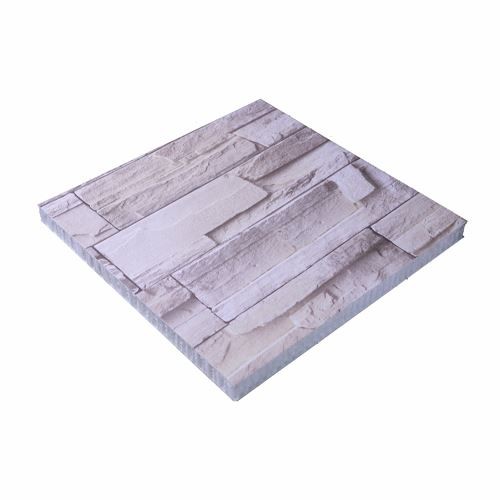
The type of adhesive used is another critical factor. Different adhesives have different chemical compositions and properties, which can significantly impact the bonding strength. For example, epoxy adhesives are known for their high strength, excellent chemical resistance, and good adhesion to a wide range of materials. Polyurethane adhesives, on the other hand, offer flexibility and good impact resistance. The choice of adhesive depends on the specific requirements of the application, such as the expected load, environmental conditions, and the type of materials being bonded.
The preparation of the bonding surfaces also affects the bonding strength. Any contaminants on the surfaces, such as dust, grease, or oxidation layers, can reduce the adhesion of the adhesive. Therefore, it is essential to clean the surfaces thoroughly before bonding. This can be done using solvents, abrasives, or a combination of both. Additionally, the surface roughness can influence the bonding strength. A slightly rough surface can provide more surface area for the adhesive to grip, improving the bond.
The environmental conditions during the bonding process and in service also play a role. Temperature, humidity, and exposure to chemicals or UV radiation can all affect the performance of the adhesive and the bonding strength. For example, high temperatures can cause the adhesive to soften or degrade, while high humidity can lead to moisture absorption, which may weaken the bond over time.
Common Bonding Methods
There are several methods for bonding PET honeycomb panels to other materials. One of the most common methods is adhesive bonding. As mentioned earlier, different types of adhesives can be used, depending on the application. The adhesive is applied to one or both of the bonding surfaces, and the two materials are then pressed together under a certain pressure for a specific period to allow the adhesive to cure.
Mechanical fastening is another option. This involves using screws, bolts, rivets, or other mechanical fasteners to join the PET honeycomb panel to the other material. Mechanical fastening has the advantage of being quick and easy, and it can provide a high - strength connection. However, it may also create stress concentrations around the fastener holes, which can lead to cracking or failure of the panel.
Welding can also be used to bond PET honeycomb panels to other thermoplastic materials. Ultrasonic welding, for example, uses high - frequency ultrasonic vibrations to generate heat at the bonding interface, melting the materials and forming a bond. This method is fast, clean, and can provide a strong, hermetic seal. However, it is limited to bonding thermoplastic materials.
Significance in Real - World Applications
The bonding strength of PET honeycomb panels with other materials is of great significance in various real - world applications. In the aerospace industry, PET honeycomb panels are used in aircraft interiors, such as cabin partitions and overhead bins. The strong bonding between the honeycomb panel and the facing materials is essential to ensure the structural integrity and safety of these components. A weak bond could lead to delamination or separation of the layers, which could pose a serious risk to the aircraft and its passengers.
In the automotive industry, PET honeycomb panels are used for lightweighting applications, such as door panels and dashboard components. The bonding strength between the honeycomb panel and the outer skin is crucial to withstand the vibrations, impacts, and temperature changes experienced during vehicle operation. A strong bond ensures that the components maintain their shape and functionality over time.
In the construction industry, Honeycomb - building - panels made of PET honeycomb are used for wall cladding, roofing, and flooring. The bonding of the honeycomb panel to the substrate or facing materials is necessary to provide a stable and durable structure. A good bond can prevent water infiltration, reduce noise transmission, and improve the overall energy efficiency of the building.
In furniture manufacturing, PET honeycomb panels are used to make lightweight and strong furniture pieces. The bonding strength between the honeycomb panel and the veneer or other decorative materials is important for the aesthetic appearance and durability of the furniture. A strong bond ensures that the veneer does not peel off or delaminate, even with regular use.
Conclusion
The bonding strength of PET honeycomb panels with other materials is a complex topic that is influenced by multiple factors, including surface properties, adhesive type, surface preparation, and environmental conditions. Different bonding methods, such as adhesive bonding, mechanical fastening, and welding, can be used depending on the specific application. The strong bonding between PET honeycomb panels and other materials is crucial in various industries, as it ensures the structural integrity, functionality, and durability of the components.
If you are interested in our PET honeycomb panels and want to discuss the bonding requirements for your specific application, please feel free to contact us for a detailed consultation. We have a team of experts who can provide you with professional advice and solutions to meet your needs.
References
- "Adhesive Bonding Technology: An Introduction" by David A. Dillard
- "Plastics Joining: A Practical Guide" by John Murphy
- "Handbook of Composites" edited by Luigi Nicolais and Antonio Pegoretti