

As a supplier of Honeycomb Building Panels, I often get asked whether our products can be used in cold climates. This is a crucial question for many architects, builders, and property owners, especially those in regions with harsh winters. In this blog post, I'll explore the viability of using honeycomb building panels in cold climates, taking into account their insulation properties, structural integrity, and other relevant factors.
Understanding Honeycomb Building Panels
Before delving into their performance in cold climates, let's briefly understand what honeycomb building panels are. These panels typically consist of a honeycomb core, which is often made of materials like Thermoplastic Honeycomb Core, sandwiched between two outer layers. The honeycomb structure provides a high strength - to - weight ratio, making the panels lightweight yet sturdy. They are used in a variety of construction applications, including walls, roofs, and partitions, due to their versatility and cost - effectiveness. You can find more information about our Honeycomb - building - panels on our website.
Insulation Properties
One of the key considerations in cold climates is insulation. Good insulation helps to keep the interior of a building warm by reducing heat transfer to the outside. Honeycomb building panels have inherent insulation capabilities. The honeycomb core acts as a barrier to heat flow. The air trapped within the individual cells of the honeycomb structure is a poor conductor of heat. This trapped air layer slows down the transfer of heat from the warm interior of the building to the cold exterior.
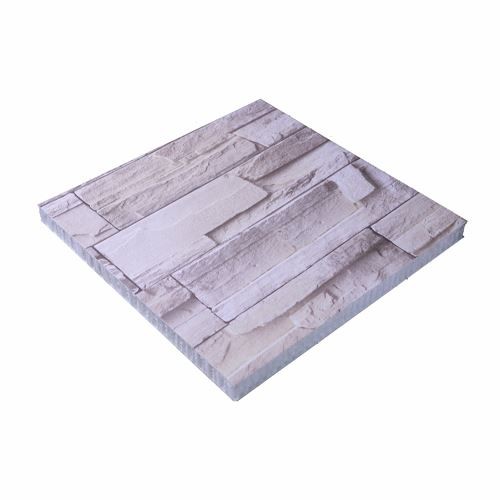
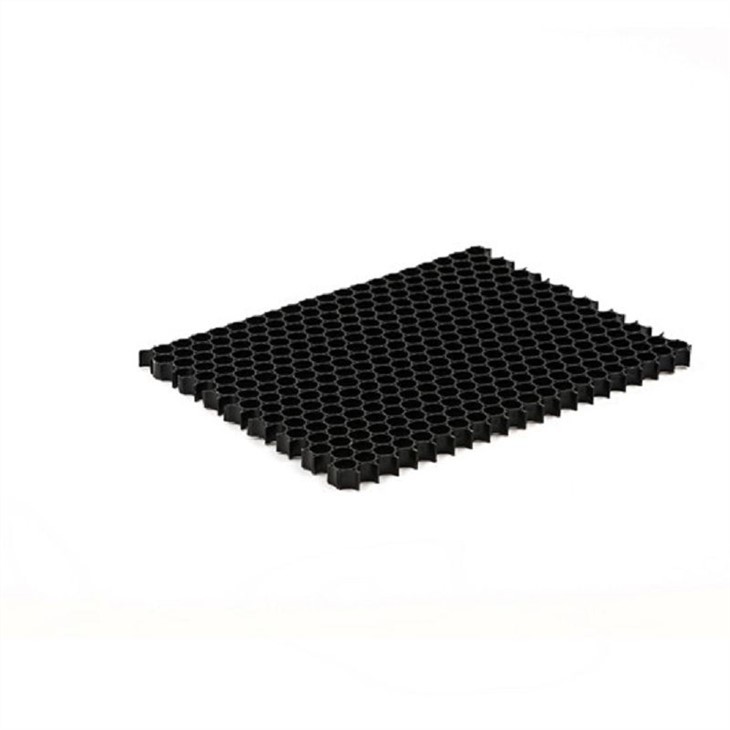
Compared to traditional building materials, honeycomb panels can offer comparable or even better insulation performance. For example, in a well - designed honeycomb panel system, the combination of the honeycomb core and the outer layers can create an effective thermal barrier. This means that less energy is required to heat the building, resulting in lower heating costs over time.
However, it's important to note that the insulation performance can be affected by factors such as the type of material used in the honeycomb core, the thickness of the panel, and the installation method. For instance, a thicker panel with a high - quality thermoplastic honeycomb core is likely to provide better insulation than a thinner one.
Structural Integrity in Cold Temperatures
Another important aspect is the structural integrity of honeycomb building panels in cold climates. Cold temperatures can cause materials to contract, and in some cases, this can lead to cracking or other forms of damage. Fortunately, honeycomb building panels are designed to withstand a range of environmental conditions, including cold weather.
The materials used in honeycomb panels, such as thermoplastics, have good mechanical properties even at low temperatures. They are less likely to become brittle and crack compared to some other materials. The honeycomb structure also distributes stress evenly across the panel, which helps to prevent localised damage.
During installation, it's crucial to ensure that the panels are properly secured and sealed. This helps to prevent moisture ingress, which can be a major problem in cold climates. Moisture can freeze and expand within the panel, potentially causing damage to the honeycomb core and the outer layers. By using proper installation techniques and high - quality sealants, the structural integrity of the panels can be maintained over time.
Resistance to Moisture and Frost
Moisture is a significant concern in cold climates, as it can lead to frost damage and the growth of mould and mildew. Honeycomb building panels have some natural resistance to moisture. The honeycomb core is often made of materials that are not easily penetrated by water. Additionally, the outer layers can be treated with waterproof coatings to further enhance moisture resistance.
However, proper ventilation is still essential. In a building with honeycomb panels, it's important to ensure that there is adequate air circulation to prevent the build - up of moisture. This can be achieved through the installation of ventilation systems or by designing the building with proper air gaps.
Installation Considerations in Cold Climates
When installing honeycomb building panels in cold climates, there are several factors to keep in mind. First, the installation should be carried out in suitable weather conditions. Extreme cold can make it difficult to work with some of the adhesives and sealants used in the installation process. It's best to choose a day when the temperature is above freezing and the weather is dry.
Second, the panels should be stored properly before installation. They should be kept in a dry, sheltered area to prevent exposure to moisture and extreme cold. This helps to ensure that the panels are in good condition when they are installed.
Finally, it's important to follow the manufacturer's installation instructions carefully. This includes using the recommended tools and techniques, as well as ensuring that the panels are installed at the correct angle and spacing.
Case Studies and Real - World Examples
There are many real - world examples of honeycomb building panels being used successfully in cold climates. In some northern regions, these panels have been used in residential and commercial buildings. For example, a small cabin in a mountainous area with cold winters was constructed using honeycomb building panels. The owners reported that the panels provided excellent insulation, and the building remained warm and comfortable even during the coldest months.
In a commercial building project, honeycomb panels were used for the exterior walls. The panels not only provided good insulation but also added a modern and aesthetically pleasing look to the building. The project team was able to complete the construction on time, and the building has been performing well in terms of energy efficiency and structural integrity.
Conclusion
In conclusion, honeycomb building panels can be a viable option for use in cold climates. They offer good insulation, maintain their structural integrity, and have some resistance to moisture and frost. However, proper design, installation, and maintenance are crucial to ensure optimal performance.
If you're considering using honeycomb building panels in a cold climate project, I encourage you to reach out to us. Our team of experts can provide you with more detailed information about our products, offer advice on installation, and help you determine the best solution for your specific needs. Whether you're building a small home or a large commercial complex, we're here to support you every step of the way.
References
- "Building Materials and Their Performance in Cold Climates" - A research report on the behavior of different building materials in low - temperature environments.
- "Thermal Insulation of Honeycomb Structures" - A study on the insulation properties of honeycomb - based materials.
- "Structural Design for Cold Regions" - A guidebook on designing structures to withstand cold - weather conditions.