

As a supplier of PET honeycomb panels, I've witnessed firsthand the growing demand for these versatile and innovative materials. Their unique properties, such as lightweight, high strength, and excellent insulation, make them a popular choice in various industries, including construction, transportation, and interior design. However, in addition to their functional benefits, the aesthetic appearance of PET honeycomb panels also plays a crucial role in their marketability and application. In this blog post, I'll share some practical strategies and techniques to enhance the aesthetic appeal of PET honeycomb panels, drawing on my experience in the industry.
Surface Finishing Techniques
One of the most effective ways to improve the aesthetic appearance of PET honeycomb panels is through surface finishing. The right finish can not only protect the panel from damage but also enhance its visual appeal, giving it a more refined and professional look. Here are some common surface finishing techniques used for PET honeycomb panels:
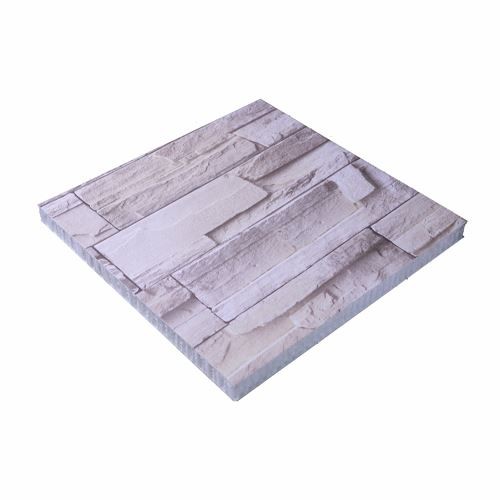
- Lamination: Laminating the surface of the PET honeycomb panel with a decorative film or sheet is a popular method to achieve a variety of visual effects. The film can be customized with different colors, patterns, and textures, allowing for endless design possibilities. For example, a wood-grain laminate can give the panel a warm and natural look, making it suitable for interior applications such as wall cladding and furniture. Honeycomb-building-panels often use lamination to enhance their aesthetic appeal and match different design styles.
- Painting: Painting the PET honeycomb panel is another straightforward way to change its color and appearance. High-quality paints can provide a smooth and durable finish, protecting the panel from scratches, UV rays, and other environmental factors. When choosing a paint, it's important to select one that is compatible with the PET material and has good adhesion. Additionally, the paint color should be carefully selected to complement the overall design scheme. For instance, a bright and bold color can make the panel stand out, while a neutral color can create a more subtle and sophisticated look.
- Printing: Digital printing technology has made it possible to print high-resolution images and patterns directly onto the surface of the PET honeycomb panel. This technique offers great flexibility in terms of design, allowing for the creation of custom graphics, logos, and artworks. Printing can be used to add a unique and personalized touch to the panel, making it suitable for promotional displays, signage, and other creative applications.
Edge Treatment
The edges of PET honeycomb panels can significantly affect their overall aesthetic appearance. A well-finished edge can give the panel a clean and professional look, while a rough or uneven edge can detract from its visual appeal. Here are some edge treatment options to consider:
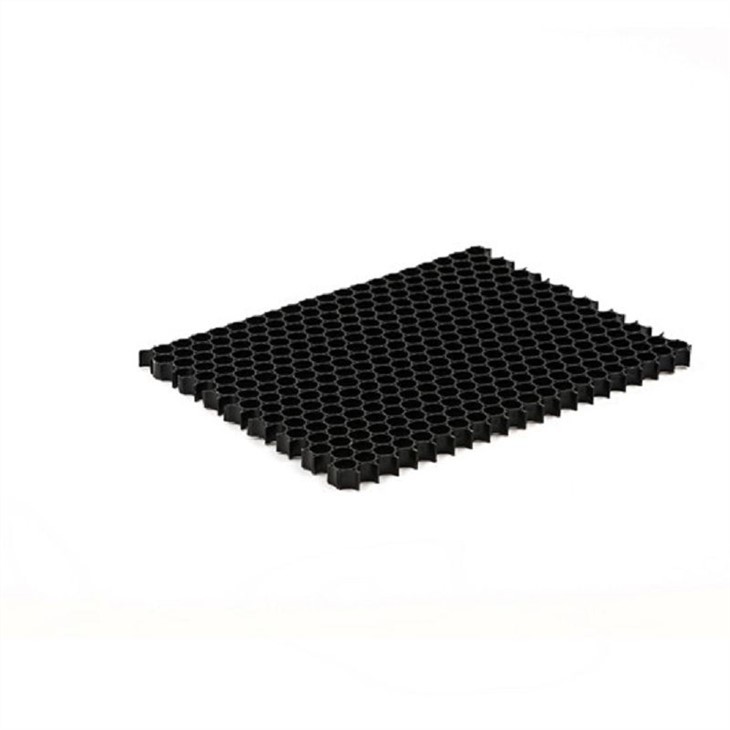
- Edge Banding: Edge banding involves applying a thin strip of material, such as PVC, wood veneer, or aluminum, to the edges of the PET honeycomb panel. This not only covers the exposed honeycomb structure but also provides a smooth and finished edge. Edge banding comes in a variety of colors and textures, allowing for a seamless match with the panel surface. It can also protect the edges from damage and improve the panel's durability.
- Beveling: Beveling the edges of the PET honeycomb panel creates a slanted or angled edge, adding a touch of elegance and sophistication. This technique can be used to enhance the visual interest of the panel and make it stand out. Beveled edges are commonly used in high-end furniture and architectural applications.
- Rounding: Rounding the edges of the panel can give it a softer and more inviting look. This is especially suitable for applications where safety is a concern, such as in children's furniture or public spaces. Rounded edges can also help to prevent damage to the panel and reduce the risk of injury.
Design and Pattern Integration
Incorporating creative designs and patterns into the PET honeycomb panel can greatly enhance its aesthetic appeal. Here are some ways to achieve this:
- Inlaid Patterns: Inlaying different materials, such as wood, metal, or glass, into the PET honeycomb panel can create unique and eye-catching patterns. This technique adds depth and texture to the panel, making it more visually interesting. Inlaid patterns can be used to create geometric shapes, floral designs, or other custom motifs, depending on the design concept.
- Perforation: Perforating the PET honeycomb panel can create a decorative pattern while also providing functional benefits, such as ventilation and sound absorption. The size, shape, and spacing of the perforations can be customized to achieve different visual effects. For example, a regular pattern of small holes can create a subtle and modern look, while a random pattern of larger holes can add a more organic and dynamic feel.
- 3D Effects: Creating 3D effects on the surface of the PET honeycomb panel can add a sense of depth and dimension. This can be achieved through techniques such as embossing, debossing, or molding. 3D effects can make the panel more engaging and create a focal point in the design.
Color Selection
Color is a powerful tool in enhancing the aesthetic appearance of PET honeycomb panels. The right color scheme can evoke different emotions and create a specific atmosphere. Here are some tips for color selection:
- Complementary Colors: Using complementary colors, which are opposite each other on the color wheel, can create a vibrant and dynamic look. For example, pairing blue and orange or red and green can make the panel stand out and add visual interest.
- Analogous Colors: Analogous colors, which are adjacent to each other on the color wheel, can create a harmonious and soothing look. For instance, using different shades of blue and green can give the panel a calm and natural feel.
- Monochromatic Colors: A monochromatic color scheme, which uses different shades and tints of the same color, can create a sophisticated and elegant look. This is a popular choice for minimalist and modern designs.
Quality Control and Inspection
To ensure that the aesthetic appearance of the PET honeycomb panels meets the highest standards, it's essential to implement a strict quality control and inspection process. This includes checking the surface finish, edge treatment, color consistency, and overall design integrity. Any defects or imperfections should be identified and corrected before the panels are shipped to the customer. By maintaining high-quality standards, you can build a reputation for reliability and excellence, which is crucial for attracting and retaining customers.
Conclusion
Improving the aesthetic appearance of PET honeycomb panels is a multi-faceted process that involves surface finishing, edge treatment, design integration, color selection, and quality control. By implementing these strategies and techniques, you can create PET honeycomb panels that not only meet the functional requirements but also enhance the visual appeal of any project. As a PET honeycomb panel supplier, I'm committed to providing high-quality products with exceptional aesthetic appeal. If you're interested in learning more about our PET honeycomb panels or have a specific project in mind, please don't hesitate to contact us for a consultation and to discuss your procurement needs.
References
- Various industry publications on advanced materials and design trends.
- Case studies and research on the application of PET honeycomb panels in different industries.