

Hey there! As a supplier of PP Honeycomb Core, I often get asked about the bending strength of this amazing material. So, I thought I'd take some time to break it down for you and explain what it means, why it matters, and how it can impact your projects.
What is PP Honeycomb Core?
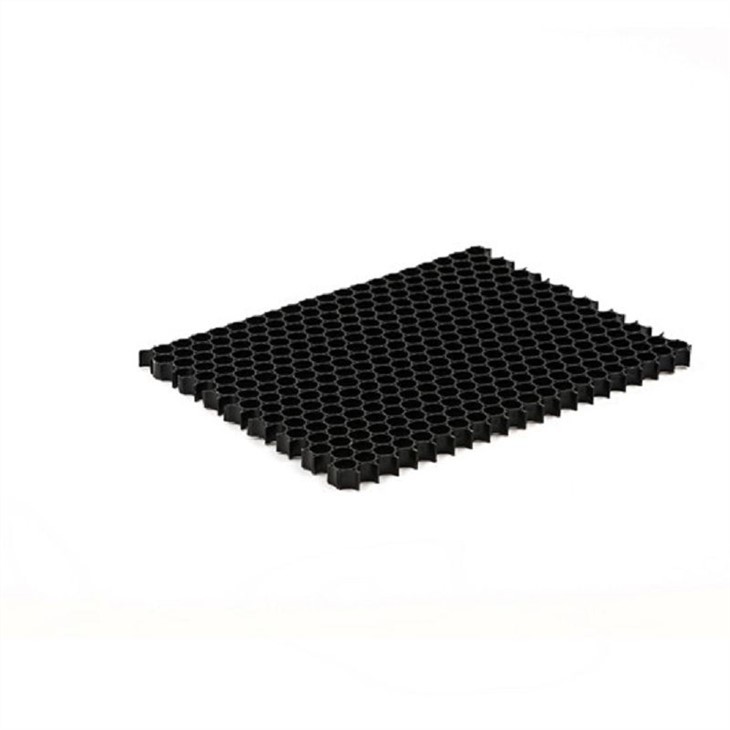
First things first, let's quickly go over what PP Honeycomb Core actually is. PP stands for polypropylene, which is a type of thermoplastic polymer. The honeycomb core is a structure made up of hexagonal cells, similar to the honeycombs you'd find in a beehive. This unique design gives the material a high strength-to-weight ratio, making it incredibly lightweight yet surprisingly strong.
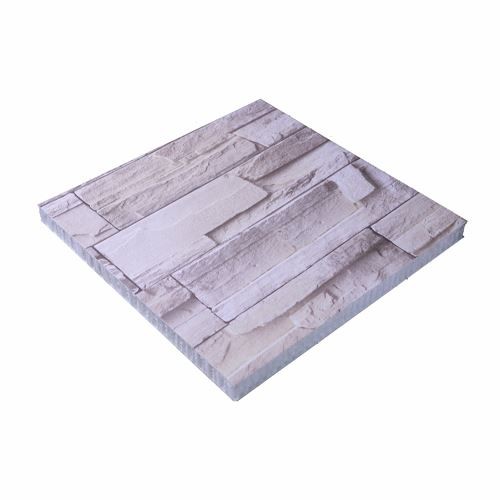
PP Honeycomb Core has a wide range of applications, from Honeycomb-building-panels used in construction to lightweight components in the automotive and aerospace industries. It's also popular in the packaging industry due to its shock-absorbing properties and ability to protect fragile items during transit.
Understanding Bending Strength
Now, let's dive into the concept of bending strength. Bending strength, also known as flexural strength, is a measure of a material's ability to resist deformation when a force is applied perpendicular to its longitudinal axis. In simpler terms, it's how much a material can bend before it breaks or starts to show signs of damage.
When it comes to PP Honeycomb Core, bending strength is a crucial factor to consider, especially if you're using it in applications where the material will be subjected to bending or flexing forces. For example, if you're using PP Honeycomb Core in a structural panel for a building, you need to ensure that it can withstand the weight and pressure of the structure without bending or collapsing.
Factors Affecting the Bending Strength of PP Honeycomb Core
There are several factors that can affect the bending strength of PP Honeycomb Core. Let's take a closer look at some of the most important ones:
Cell Size and Wall Thickness
The size of the hexagonal cells in the honeycomb core and the thickness of the cell walls play a significant role in determining its bending strength. Generally, smaller cell sizes and thicker cell walls result in a higher bending strength. This is because smaller cells provide more support and distribute the load more evenly, while thicker walls are better able to resist deformation.
Density of the Material
The density of the PP Honeycomb Core also affects its bending strength. Higher density materials typically have a greater bending strength because they have more material per unit volume, which provides more resistance to bending forces. However, it's important to note that increasing the density also increases the weight of the material, so you need to find the right balance between strength and weight for your specific application.
Orientation of the Honeycomb Structure
The orientation of the honeycomb structure relative to the direction of the applied force can also impact the bending strength. In general, the honeycomb core has higher bending strength when the force is applied parallel to the cell walls rather than perpendicular to them. This is because the cell walls are better able to resist the bending forces when they are aligned with the direction of the load.
Manufacturing Process
The manufacturing process used to produce the PP Honeycomb Core can also have an impact on its bending strength. For example, if the material is not properly extruded or if there are defects in the honeycomb structure, it can reduce the bending strength. That's why it's important to choose a reputable supplier who uses high-quality manufacturing processes to ensure consistent and reliable performance.
Testing the Bending Strength of PP Honeycomb Core
To determine the bending strength of PP Honeycomb Core, manufacturers typically conduct standardized tests using specialized equipment. One of the most common tests is the three-point bending test, where a sample of the material is placed on two supports and a load is applied at the center until the material breaks or reaches a specified level of deformation.
The results of these tests are usually reported in terms of the maximum bending stress that the material can withstand before failure. This value is expressed in units of pressure, such as megapascals (MPa) or pounds per square inch (psi).
Applications and Benefits of High Bending Strength PP Honeycomb Core
PP Honeycomb Core with high bending strength has a wide range of applications across various industries. Here are some examples:
Construction
In the construction industry, high bending strength PP Honeycomb Core is used in Honeycomb-building-panels for walls, floors, and roofs. These panels are lightweight, easy to install, and provide excellent insulation and structural support. They can also help reduce the overall weight of the building, which can lead to cost savings in terms of foundation design and construction.
Automotive and Aerospace
In the automotive and aerospace industries, PP Honeycomb Core is used in lightweight components such as dashboards, door panels, and aircraft interiors. The high bending strength of the material allows these components to withstand the stresses and vibrations experienced during operation while keeping the weight of the vehicle or aircraft to a minimum. This can improve fuel efficiency and performance.
Packaging
In the packaging industry, high bending strength PP Honeycomb Core is used to create protective packaging for fragile items such as electronics, glassware, and automotive parts. The honeycomb structure provides excellent shock absorption and cushioning, which helps prevent damage during shipping and handling. It also has a high stiffness-to-weight ratio, which allows the packaging to maintain its shape and protect the contents even under heavy loads.
Why Choose Our PP Honeycomb Core?
As a supplier of PP Honeycomb Core, we take pride in offering high-quality products with excellent bending strength. Here's why you should choose our PP Honeycomb Core for your next project:
Customizable Solutions
We understand that every project is unique, which is why we offer customizable solutions to meet your specific requirements. Whether you need a specific cell size, wall thickness, or density, we can work with you to develop a PP Honeycomb Core that is tailored to your needs.
High-Quality Manufacturing
We use state-of-the-art manufacturing processes and high-quality raw materials to ensure that our PP Honeycomb Core meets the highest standards of quality and performance. Our products are rigorously tested to ensure consistent and reliable bending strength, so you can have peace of mind knowing that your project is in good hands.
Competitive Pricing
We offer competitive pricing on our PP Honeycomb Core without compromising on quality. We believe that high-quality materials should be accessible and affordable, which is why we strive to provide the best value for your money.
Excellent Customer Service
Our team of experienced professionals is dedicated to providing excellent customer service. We are here to answer your questions, provide technical support, and help you choose the right PP Honeycomb Core for your project. We also offer fast and reliable delivery, so you can get your materials when you need them.
Contact Us for Your PP Honeycomb Core Needs
If you're interested in learning more about our PP Honeycomb Core or if you have a specific project in mind, we'd love to hear from you. Whether you're a contractor, designer, or manufacturer, we can work with you to find the right solution for your needs.
Don't hesitate to reach out to us for a quote or to discuss your requirements. We're confident that our high-quality PP Honeycomb Core with excellent bending strength will meet your expectations and help you achieve your project goals.
References
- ASTM D790 - Standard Test Methods for Flexural Properties of Unreinforced and Reinforced Plastics and Electrical Insulating Materials
- ISO 178 - Plastics - Determination of Flexural Properties