

Hey there! As a supplier of PP Honeycomb Panels, I often get asked about the density of these panels. So, let's dive right into it and explore what the density of PP Honeycomb Panel really means, why it matters, and how it can affect your projects.
First off, what exactly is a PP Honeycomb Panel? Well, it's a lightweight yet sturdy material made from polypropylene (PP). The honeycomb structure inside the panel gives it its unique properties, making it ideal for a wide range of applications, from packaging to construction.
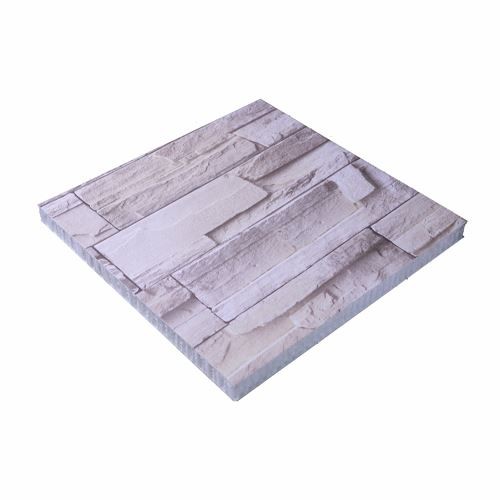
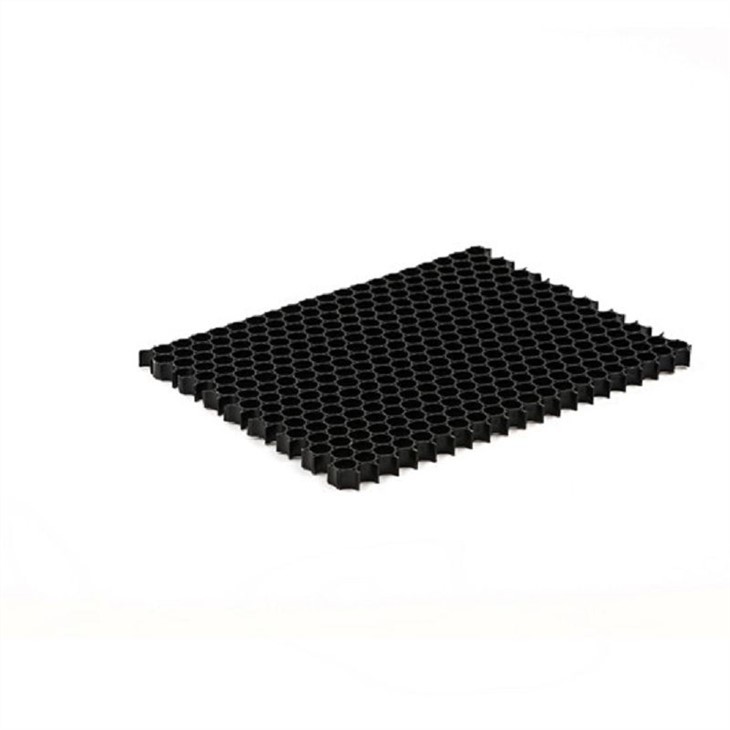
Now, let's talk about density. Density is basically how much mass is packed into a given volume. In the case of PP Honeycomb Panels, it refers to the amount of polypropylene material in a specific volume of the panel. It's usually measured in grams per cubic centimeter (g/cm³) or kilograms per cubic meter (kg/m³).
The density of PP Honeycomb Panels can vary depending on several factors. One of the main factors is the thickness of the panel. Thicker panels generally have a higher density because there's more material in them. For example, a 10mm thick PP Honeycomb Panel might have a different density compared to a 5mm thick one.
Another factor that affects density is the cell size of the honeycomb structure. Smaller cell sizes often result in a higher density because there's more material used to create those smaller cells. On the other hand, larger cell sizes can lead to a lower density as there's more empty space within the honeycomb.
The manufacturing process also plays a role in determining the density. Different production methods can result in panels with varying densities. Some manufacturers might use techniques that compact the polypropylene more, leading to a higher density, while others might focus on creating a lighter panel with a lower density.
So, why does the density of PP Honeycomb Panel matter? Well, it has a significant impact on the panel's properties and performance. A higher density panel is generally stronger and more rigid. It can withstand more weight and pressure without deforming, making it suitable for applications where strength is crucial, like in the construction of heavy-duty packaging or structural components.
For instance, if you're using PP Honeycomb Panels to build a shipping crate for heavy machinery, you'd want a panel with a higher density to ensure it can support the weight of the equipment during transportation.
On the other hand, a lower density panel is lighter and more flexible. It's easier to handle and cut, which makes it a great choice for applications where weight is a concern, such as in the automotive or aerospace industries. For example, in the interior of an aircraft, lighter panels can help reduce the overall weight of the plane, leading to better fuel efficiency.
Let's take a look at some typical density ranges for PP Honeycomb Panels. Generally, the density can range from around 0.03 g/cm³ to 0.2 g/cm³. However, these values can vary depending on the specific product and manufacturer.
If you're looking for more information about the different types of honeycomb cores, you can check out Thermoplastic Honeycomb Core. It provides detailed insights into the thermoplastic honeycomb cores used in these panels.
When it comes to using PP Honeycomb Panels in building applications, Honeycomb-building-panels is a great resource. It shows how these panels can be utilized in construction projects.
Now, let's talk about how you can choose the right density for your project. First, you need to consider the requirements of your application. If you need a panel that can bear a lot of weight, go for a higher density. But if weight is a major factor, a lower density panel might be the way to go.
You should also think about the environmental conditions the panel will be exposed to. For example, if it'll be used in a humid environment, you might want a panel with a density that offers better moisture resistance.
Cost is another important factor. Higher density panels usually cost more because they use more material. So, you need to balance your budget with the performance requirements of your project.
As a supplier, I can help you find the perfect PP Honeycomb Panel with the right density for your needs. Whether you're working on a small DIY project or a large-scale industrial application, I've got a wide range of panels to choose from.
If you're interested in purchasing PP Honeycomb Panels or have any questions about density or other properties, don't hesitate to get in touch. We can have a chat about your project, and I'll do my best to provide you with the most suitable solution.
In conclusion, the density of PP Honeycomb Panel is a crucial characteristic that affects its strength, weight, and performance. By understanding how density works and considering your project requirements, you can make an informed decision when choosing the right panel. So, if you're in the market for PP Honeycomb Panels, reach out to me, and let's work together to find the perfect fit for your needs.
References:
- General knowledge about PP Honeycomb Panels from industry experience.
- Research on polypropylene materials and their properties.