

As a supplier of PP Honeycomb Panels, I've witnessed firsthand the critical role that honeycomb cell size plays in determining the properties of these versatile products. In this blog post, I'll delve into the intricate relationship between honeycomb cell size and the various properties of PP Honeycomb Panels, shedding light on how this factor can significantly impact their performance in different applications.
Understanding PP Honeycomb Panels
PP Honeycomb Panels are composite materials consisting of a honeycomb core sandwiched between two outer layers. The honeycomb core is typically made from polypropylene (PP), a thermoplastic polymer known for its excellent chemical resistance, lightweight nature, and high strength-to-weight ratio. The outer layers can be made from a variety of materials, such as aluminum, fiberglass, or plastic, depending on the specific application requirements.
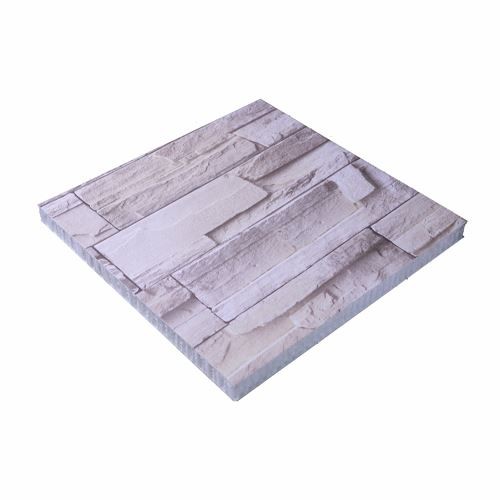
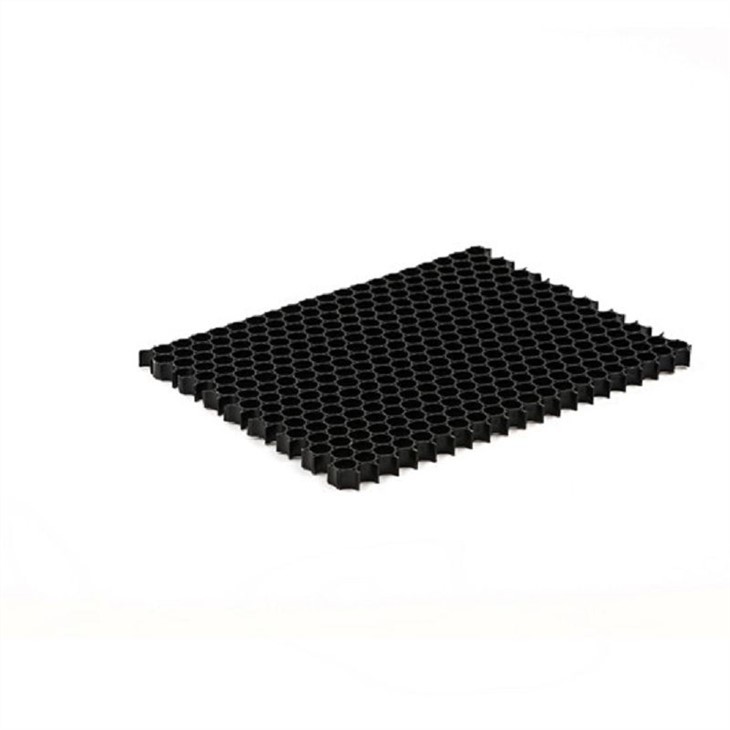
The honeycomb structure of the core provides the panel with exceptional stiffness and strength while keeping its weight to a minimum. This makes PP Honeycomb Panels an ideal choice for applications where weight reduction is crucial, such as aerospace, automotive, and marine industries. Additionally, the honeycomb structure also offers excellent insulation properties, making these panels suitable for use in building and construction applications.
The Impact of Honeycomb Cell Size on Mechanical Properties
One of the most significant ways in which honeycomb cell size affects the properties of PP Honeycomb Panels is through its influence on the panel's mechanical properties. The cell size refers to the dimensions of the hexagonal cells that make up the honeycomb core. Generally, smaller cell sizes result in higher stiffness and strength, while larger cell sizes offer greater flexibility and impact resistance.
Stiffness and Strength
Smaller honeycomb cell sizes provide a greater number of cell walls per unit area, which increases the panel's overall stiffness and strength. This is because the cell walls act as load-bearing elements, distributing the applied forces evenly across the panel. As a result, panels with smaller cell sizes are better able to withstand bending and compression forces without deforming.
For example, in aerospace applications, where lightweight yet strong materials are essential, PP Honeycomb Panels with small cell sizes are often used to construct aircraft interiors, such as cabin partitions and luggage compartments. These panels can withstand the high stresses and vibrations experienced during flight while keeping the overall weight of the aircraft to a minimum.
Flexibility and Impact Resistance
On the other hand, larger honeycomb cell sizes offer greater flexibility and impact resistance. The larger cells allow the panel to deform more easily under load, absorbing and dissipating energy without fracturing. This makes panels with larger cell sizes suitable for applications where impact resistance is a primary concern, such as automotive bumpers and protective barriers.
In the automotive industry, PP Honeycomb Panels with large cell sizes are used to create lightweight yet durable bumpers that can absorb the impact of collisions and protect the vehicle's occupants. The flexibility of the panels also allows them to conform to the shape of the vehicle, providing a seamless and aesthetically pleasing appearance.
The Impact of Honeycomb Cell Size on Insulation Properties
In addition to its effect on mechanical properties, honeycomb cell size also plays a crucial role in determining the insulation properties of PP Honeycomb Panels. The honeycomb structure acts as a barrier to heat transfer, reducing the amount of heat that can pass through the panel. The cell size affects the insulation performance by influencing the amount of air trapped within the cells.
Smaller honeycomb cell sizes result in a greater number of cells per unit area, which increases the amount of air trapped within the panel. Since air is a poor conductor of heat, the increased air volume provides better insulation properties. Panels with smaller cell sizes are therefore more effective at reducing heat transfer and maintaining a stable temperature inside a building or vehicle.
In building and construction applications, PP Honeycomb Panels with small cell sizes are commonly used as insulation materials in walls, roofs, and floors. These panels can help to reduce energy consumption by minimizing heat loss in the winter and heat gain in the summer, resulting in significant cost savings for building owners.
The Impact of Honeycomb Cell Size on Weight and Cost
Another important consideration when choosing the honeycomb cell size for PP Honeycomb Panels is its impact on weight and cost. Smaller cell sizes generally result in higher panel weights due to the increased number of cell walls. This can be a disadvantage in applications where weight reduction is a critical factor, as it may require additional structural support to compensate for the increased weight.
However, smaller cell sizes also offer higher strength and stiffness, which can allow for the use of thinner outer layers. This can offset the weight increase to some extent and result in a more cost-effective solution overall. Additionally, the improved insulation properties of panels with smaller cell sizes can lead to energy savings, which can further reduce the long-term cost of ownership.
Larger cell sizes, on the other hand, result in lower panel weights due to the reduced number of cell walls. This makes panels with larger cell sizes more suitable for applications where weight is a primary concern, such as aerospace and automotive industries. However, the lower strength and stiffness of panels with larger cell sizes may require the use of thicker outer layers, which can increase the cost of the panel.
Choosing the Right Honeycomb Cell Size for Your Application
When selecting the honeycomb cell size for your PP Honeycomb Panel application, it's important to consider the specific requirements of your project. Here are some factors to keep in mind:
- Mechanical Requirements: If your application requires high stiffness and strength, such as in structural components, smaller cell sizes may be more suitable. If flexibility and impact resistance are more important, larger cell sizes may be a better choice.
- Insulation Requirements: If insulation is a key consideration, such as in building and construction applications, smaller cell sizes are generally preferred due to their better insulation properties.
- Weight Constraints: If weight reduction is a critical factor, such as in aerospace and automotive applications, larger cell sizes may be more appropriate. However, you'll need to balance the weight savings with the potential reduction in strength and stiffness.
- Cost Considerations: The cost of the panel is also an important factor to consider. Smaller cell sizes may result in higher material costs, but they can also offer long-term savings through improved energy efficiency. Larger cell sizes may be more cost-effective upfront, but they may require additional structural support, which can increase the overall cost.
Conclusion
In conclusion, the honeycomb cell size has a significant impact on the properties of PP Honeycomb Panels, including their mechanical properties, insulation properties, weight, and cost. By understanding the relationship between cell size and these properties, you can make an informed decision when selecting the right panel for your application.
As a supplier of PP Honeycomb Panels, I can provide you with expert advice and guidance on choosing the optimal honeycomb cell size for your specific needs. Whether you're looking for a lightweight and strong solution for aerospace applications or a high-insulation panel for building construction, I have the expertise and experience to help you find the perfect product.
If you're interested in learning more about our PP Honeycomb Panels or have any questions about honeycomb cell size and its impact on panel properties, please don't hesitate to contact us. We'd be happy to discuss your requirements and provide you with a customized solution that meets your needs and budget.
References
- "Thermoplastic Honeycomb Core." /pp-honeycomb-core/thermoplastic-honeycomb-core.html
- "Honeycomb-building-panels." /pp-honeycomb-core/honeycomb-building-panels.html