

What industries commonly use PET honeycomb panels?
As a dedicated supplier of PET honeycomb panels, I've witnessed firsthand the remarkable versatility and widespread adoption of these innovative materials across various industries. In this blog post, I will delve into the industries that commonly use PET honeycomb panels, exploring their unique properties and the benefits they bring to each sector.
Architecture and Construction
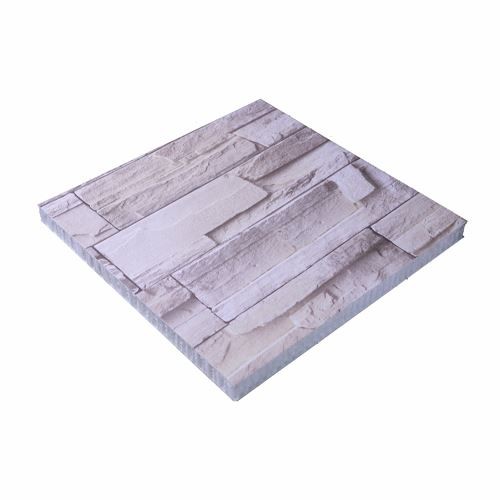
One of the most significant applications of PET honeycomb panels is in the architecture and construction industry. These panels are prized for their lightweight yet highly rigid structure, making them an ideal choice for a wide range of building components. For instance, they are commonly used in the creation of interior wall partitions. The lightweight nature of the panels makes installation quick and easy, while their high strength can withstand normal day - to - day impacts.
In terms of exterior facades, PET honeycomb panels offer excellent thermal insulation properties. They can significantly reduce the energy consumption of a building by preventing heat transfer, which is crucial for both commercial and residential buildings. Additionally, these panels are available in a variety of finishes, allowing architects to achieve the desired aesthetic look for their projects. For more information on building - related honeycomb solutions, you can visit Honeycomb - building - panels.
Transportation
The transportation industry also heavily relies on PET honeycomb panels. In the automotive sector, manufacturers use these panels to reduce the weight of vehicles without sacrificing structural integrity. Lightweight cars consume less fuel, which not only reduces environmental impact but also cuts down on operational costs. Interior components such as door panels, seat backs, and trunk liners are often made from PET honeycomb panels.
In the aerospace industry, weight reduction is of utmost importance. PET honeycomb panels are used in aircraft interiors, including partition walls, overhead storage compartments, and galley units. Their low weight helps to lower the overall weight of the aircraft, leading to increased fuel efficiency and reduced emissions. Moreover, these panels have good fire - retardant properties, which is a critical safety requirement in the aviation field.
Furniture Manufacturing
Furniture makers are increasingly turning to PET honeycomb panels due to their many advantages. The panels can be easily cut, drilled, and shaped to fit various furniture designs. For example, in the production of tables, they can be used as tabletops or core materials for cabinets. The high strength - to - weight ratio of PET honeycomb panels allows for the creation of sturdy furniture pieces that are not overly heavy, making them easy to move around.
Additionally, these panels can be covered with a variety of laminates, veneers, or upholstery materials, giving furniture a high - end, professional look. Sofas and chairs can also benefit from the use of PET honeycomb panels in their frames, providing a stable and lightweight base.
Packaging
Packaging is another industry where PET honeycomb panels have found a niche. The panels' impact - absorbing properties make them ideal for protecting fragile items during transportation. For electronics, glassware, and other high - value products, PET honeycomb packaging can prevent damage caused by shocks and vibrations.
The panels can be custom - fabricated to fit the exact shape and size of the product being packaged. This customization ensures a snug fit, which further enhances the protective capabilities of the packaging. And the lightweight nature of the honeycomb panels helps to keep shipping costs down.
Marine Industry
In the marine industry, PET honeycomb panels are used for a range of applications. They are employed in boat construction for interior partitions, hull reinforcements, and deck structures. The panels' resistance to water and moisture makes them well - suited for the marine environment. Unlike some traditional materials, they do not rot or warp when exposed to water, which prolongs the lifespan of the boat components.
The high strength of PET honeycomb panels also provides the necessary structural support for boats, ensuring safety and stability on the water. Additionally, the lightweight characteristic is beneficial as it helps to improve the boat's speed and fuel efficiency.
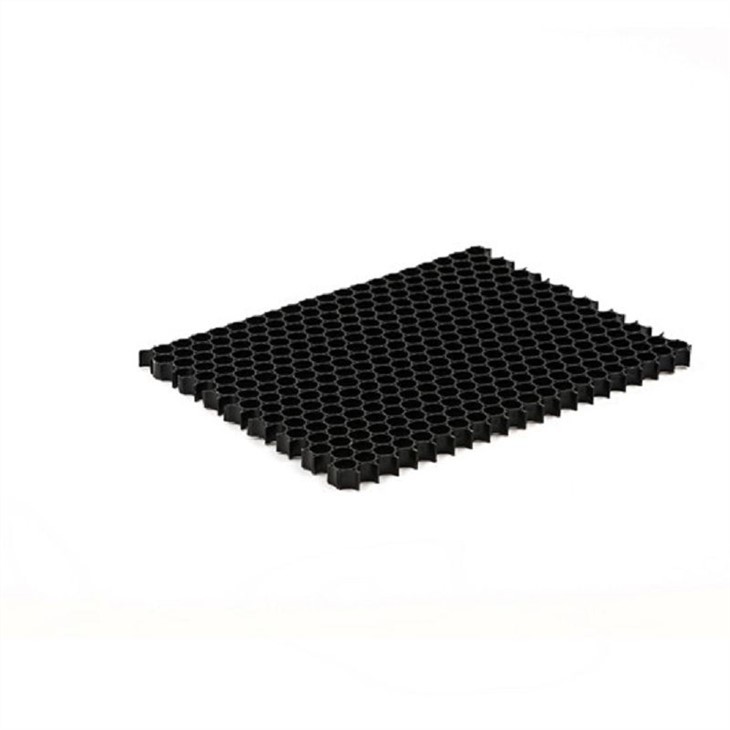
The properties of PET honeycomb panels that make them so appealing across these industries are numerous. Firstly, their honeycomb structure provides an optimal balance of strength and weight. The hexagonal cells distribute stress evenly, which gives the panels high rigidity while using a relatively small amount of material. This results in a lightweight product that can support heavy loads.
Secondly, PET honeycomb panels are highly corrosion - resistant. This makes them suitable for use in harsh environments, such as in marine settings or industrial applications where exposure to chemicals is possible.
They also have good acoustic and thermal insulation properties. In buildings, this helps to create a more comfortable indoor environment by reducing noise transmission and maintaining a stable temperature.
As a supplier of PET honeycomb panels, I understand that each industry has unique requirements. That's why we offer a wide range of products with different specifications, including varying cell sizes, panel thicknesses, and surface finishes. Whether you are an architect looking for a specific aesthetic for a building project or an automotive manufacturer in need of lightweight components, we can provide the right solution.
If you're interested in learning more about our PET honeycomb panels or are considering using them for your project, I encourage you to reach out. We are more than happy to discuss your specific needs, provide samples, and offer technical support. Our team of experts is dedicated to helping you find the best honeycomb panel solution for your industry.
References
- "Advanced Composite Materials in Construction", John Wiley & Sons
- "Transportation Materials and Their Applications", Elsevier
- "Furniture Design and Manufacturing Handbook", CRC Press