

Hey there! As a supplier of PP Honeycomb Panels, I've had my fair share of discussions with clients about how different factors affect the performance of these panels. One question that pops up quite often is, "How does the thickness of PP Honeycomb Panel affect its performance?" Well, let's dive right in and explore this topic.
Strength and Load - Bearing Capacity
First off, let's talk about strength. It's pretty intuitive that a thicker PP Honeycomb Panel generally means more strength and better load - bearing capacity. When you increase the thickness, you're essentially adding more material to the panel. This extra material provides more support and resistance against external forces.
For instance, if you're using these panels in a construction project, say for building partitions or floors, a thicker panel can handle more weight without bending or breaking. A thin panel might be okay for light - duty applications like small display boards, but when it comes to heavy - duty stuff, a thicker one is the way to go.
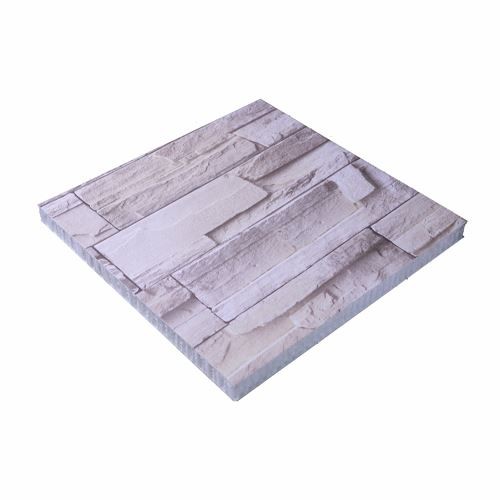
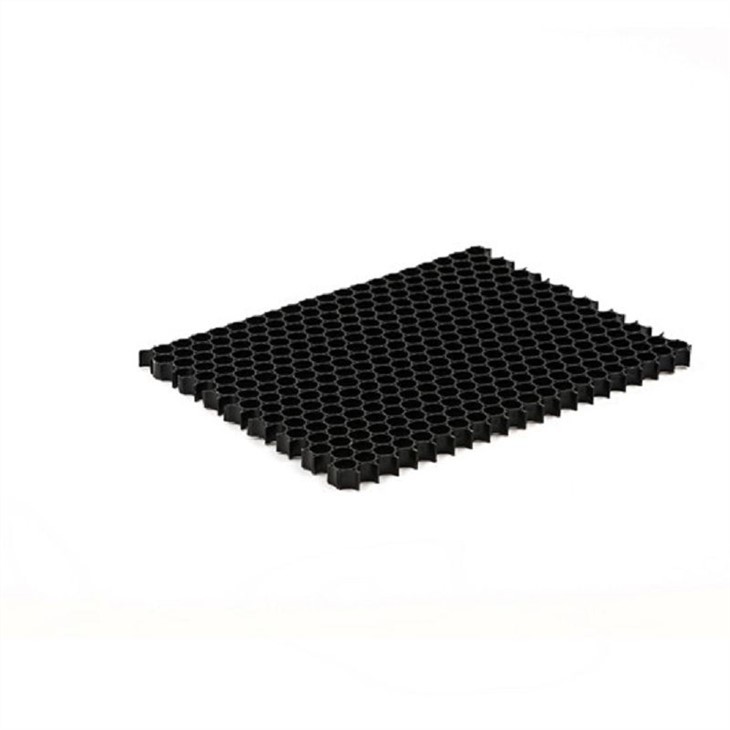
The honeycomb structure inside the panel also plays a role here. The hexagonal cells in the honeycomb distribute the load evenly across the panel. When you increase the thickness, the cells can better withstand the pressure. Think of it like a multi - layer cake. Each layer adds to the overall stability and ability to hold up under pressure.
Insulation Properties
Another important aspect is insulation. Thicker PP Honeycomb Panels tend to have better insulation properties. Whether it's thermal insulation or sound insulation, the extra thickness provides more barriers for heat or sound to pass through.
In terms of thermal insulation, a thicker panel can reduce the transfer of heat between the two sides of the panel. This is great for applications where temperature control is crucial, like in refrigerated trucks or buildings in extreme climates. The honeycomb structure traps air within its cells, and air is a poor conductor of heat. So, the more layers of honeycomb (due to increased thickness), the more air pockets there are, and the better the insulation.
For sound insulation, the same principle applies. Sound waves have a harder time traveling through a thicker panel. The honeycomb structure helps to absorb and dissipate the sound energy. If you're using these panels in recording studios or noisy industrial environments, a thicker panel can make a significant difference in reducing noise levels.
Flexibility and Workability
However, it's not all about the positives when it comes to thickness. Thicker PP Honeycomb Panels are generally less flexible and more difficult to work with compared to thinner ones. If you need to bend or shape the panel, a thinner panel will be much easier to manipulate.
For example, if you're creating a curved display or a custom - shaped structure, a thinner panel can be bent to the desired shape without cracking or breaking. On the other hand, a thick panel might require special tools and techniques to achieve the same result.
This also affects the installation process. Thicker panels are heavier, which can make them more challenging to handle during installation. You might need more manpower or specialized equipment to lift and position them correctly.
Cost
Cost is always a factor in any purchasing decision. Thicker PP Honeycomb Panels usually cost more than thinner ones. This is because they require more raw materials and potentially more manufacturing time.
If you're on a tight budget, you might have to consider whether the extra performance benefits of a thicker panel are worth the additional cost. In some cases, a thinner panel might be sufficient for your needs, and you can save some money in the process.
Applications and Thickness Selection
Now, let's talk about how to choose the right thickness based on different applications.
- Light - duty Displays: For small, lightweight displays like trade show booths or indoor signage, a thinner panel (around 3 - 5mm) is usually sufficient. These panels are easy to cut, shape, and install, and they can still provide a decent level of stiffness for the display.
- Medium - duty Applications: In applications such as furniture components or partition walls in offices, a medium - thickness panel (around 8 - 12mm) is a good choice. They offer a good balance between strength, insulation, and workability.
- Heavy - duty Applications: For construction projects, industrial flooring, or large - scale outdoor structures, a thicker panel (15mm or more) is required. These panels can withstand heavy loads and harsh environmental conditions.
Where to Find Quality PP Honeycomb Panels
If you're interested in learning more about different types of PP Honeycomb Panels, you can check out our Honeycomb - building - panels page. It provides detailed information about the panels suitable for building applications. Also, our Thermoplastic Honeycomb Core page gives insights into the core technology behind these panels.
If you're thinking about purchasing PP Honeycomb Panels for your project, I'd love to have a chat with you. We can discuss your specific requirements, the best thickness for your application, and get you the best deal possible. Whether you need a small quantity for a prototype or a large order for a big - scale project, we've got you covered.
Conclusion
In conclusion, the thickness of a PP Honeycomb Panel has a significant impact on its performance. Thicker panels offer better strength, insulation, but are less flexible and more expensive. Thinner panels are more workable and cost - effective but might not be suitable for heavy - duty applications. By understanding your specific needs and the trade - offs between different thicknesses, you can make an informed decision when purchasing these panels.
So, don't hesitate to reach out if you have any questions or if you're ready to start your purchase. We're here to help you get the most out of your PP Honeycomb Panels.
References
- "Plastic Honeycomb Structures: Properties and Applications" - A technical guide on plastic honeycomb materials.
- Industry reports on the use of PP Honeycomb Panels in construction and manufacturing.