

As a supplier of PET honeycomb panels, one of the most pressing issues I often grapple with is the waste management of these versatile products. PET honeycomb panels have become increasingly popular in various industries, from construction to automotive, due to their lightweight, high-strength, and recyclable nature. However, like any product, there comes a time when these panels reach the end of their useful life, and figuring out how to handle the waste effectively is crucial for both environmental and economic reasons.
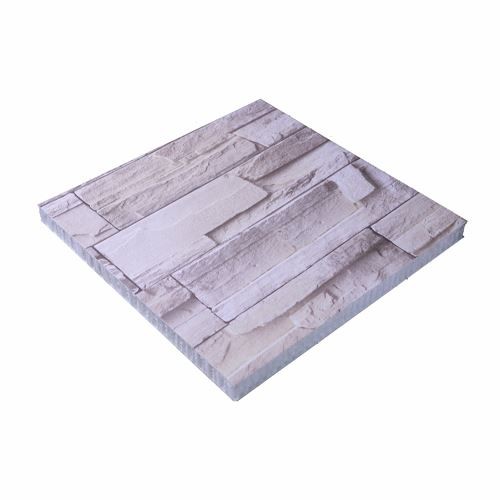
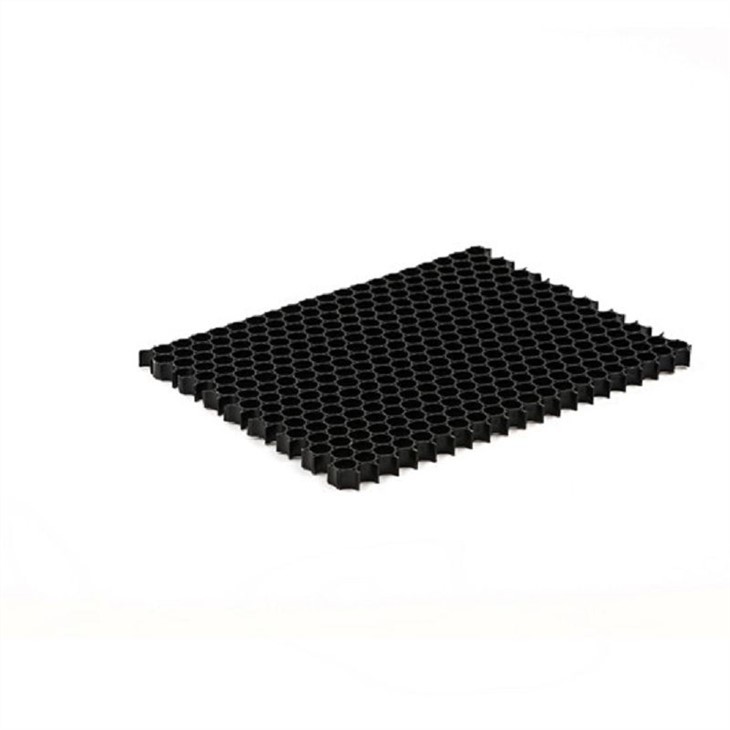
First off, it's essential to understand the characteristics of PET honeycomb panels. These panels are made from polyethylene terephthalate (PET), a thermoplastic polymer resin. The honeycomb structure provides excellent stiffness-to-weight ratio, making them ideal for applications where weight reduction is a priority. They're used in Thermoplastic Honeycomb Core applications as well as in Honeycomb-building-panels for acoustic and thermal insulation in buildings.
One of the most straightforward ways to handle the waste of PET honeycomb panels is through recycling. PET is a highly recyclable material, and recycling these panels can significantly reduce the environmental impact. When the panels are recycled, they can be broken down into their raw materials and used to create new panels or other PET-based products. However, the recycling process for PET honeycomb panels isn't as simple as it sounds.
The major challenge in recycling PET honeycomb panels lies in their complex structure. The honeycomb design, combined with the presence of adhesives and other additives used in the manufacturing process, makes it difficult to separate the PET from other materials. To overcome this, we need specialized recycling facilities equipped with the right technology to handle these complex structures.
Some recycling facilities use a process called mechanical recycling. In this process, the panels are first shredded into small pieces. Then, these pieces are washed to remove any contaminants such as dirt, dust, and adhesives. After that, the cleaned pieces are melted down and extruded into new plastic products. However, this process can be energy-intensive and may not be suitable for all types of PET honeycomb panels, especially those with more complex compositions.
Another recycling method is chemical recycling. This involves breaking down the PET into its basic monomers through chemical reactions. These monomers can then be used to produce new PET polymers, which are of high quality and can be used to make new honeycomb panels. Chemical recycling is more efficient in dealing with the complex structure of PET honeycomb panels and can potentially produce higher-quality recycled materials. However, it requires more advanced technology and is currently more expensive than mechanical recycling.
In addition to recycling, we can also consider reusing PET honeycomb panels. If the panels are still in relatively good condition, they can be repurposed for other applications. For example, in the construction industry, used PET honeycomb panels can be cut and shaped to fit into smaller projects, such as interior partitions or decorative elements. This not only reduces waste but also saves on the cost of new materials.
We can also explore partnerships with other industries to find new uses for our waste PET honeycomb panels. For instance, the automotive industry might be interested in using these panels for sound insulation in vehicles, or the furniture industry could use them for lightweight furniture frames. By collaborating with other sectors, we can extend the lifespan of these panels and reduce the amount of waste sent to landfills.
Apart from recycling and reusing, proper waste collection and management systems are also essential. We, as suppliers, need to work closely with waste management companies to ensure that the used PET honeycomb panels are collected efficiently and safely. This includes providing clear guidelines on how to handle and transport these panels to prevent any damage or contamination during the collection process.
As a responsible supplier, I'm also committed to promoting sustainable manufacturing practices that can reduce waste from the source. This involves optimizing our production processes to minimize scrap and using more sustainable materials in our manufacturing. By reducing the amount of waste generated during production, we can also alleviate the pressure on waste management in the long run.
If you're in the market for high-quality PET honeycomb panels or want to learn more about our waste management solutions, feel free to reach out. Our team is always ready to discuss your specific needs and how we can provide the best products and services. Whether you're a contractor working on a large construction project or a designer looking for innovative materials, we've got the expertise and the products to meet your requirements.
In conclusion, handling the waste of PET honeycomb panels is a multifaceted challenge that requires a combination of recycling, reusing, and proper waste management strategies. By focusing on these areas, we can not only reduce the environmental impact of our products but also create economic opportunities through the recycling and repurposing of these materials. As a supplier, I'm dedicated to leading the way in sustainable waste management for PET honeycomb panels and look forward to working with you to achieve a more sustainable future.
References:
"Plastic Recycling: A State - of - the - Art Review", Journal of Cleaner Production
"Advanced Honeycomb Materials: Design, Manufacturing and Applications", Springer Science & Business Media
"Thermoplastic Polymers: Properties and Applications", Wiley Online Library