

As a long - time supplier of Honeycomb Composite Boards, I am often asked about the unique properties of these boards, especially their ability to resist dust and dirt. In this blog, I'll delve into the science and practical aspects behind how honeycomb composite boards keep themselves clean, making them an excellent choice for various applications.
1. Structure and Material Selection
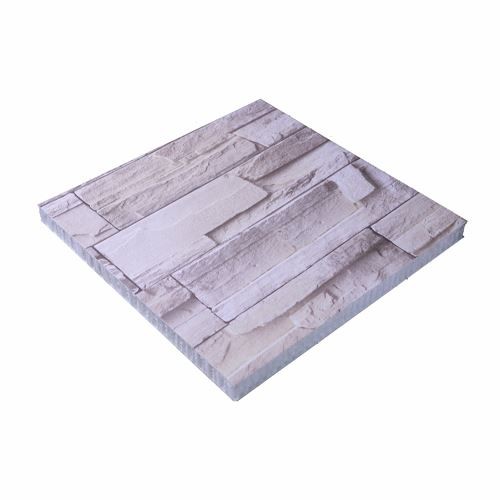
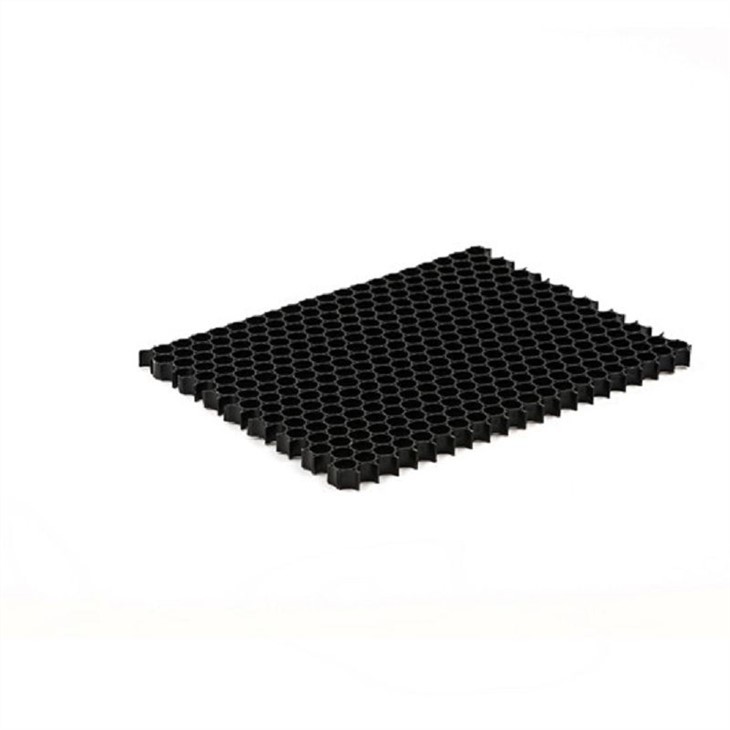
One of the main reasons honeycomb composite boards are effective at resisting dust and dirt lies in their distinctive structure. A typical honeycomb composite board consists of a honeycomb core sandwiched between two face sheets. The honeycomb core, often made of materials such as Thermoplastic Honeycomb Core, provides excellent strength - to - weight ratio. The face sheets, on the other hand, play a crucial role in dust and dirt resistance.
These face sheets are usually made from materials with smooth and non - porous surfaces. For example, some are crafted from high - quality plastics or metals. A smooth surface means there are fewer crevices and pores for dust and dirt particles to lodge in. Unlike rough or porous materials where dust can easily get trapped, the smooth face sheets of honeycomb composite boards allow dust to simply sit on the surface. This makes it much easier to clean, as a simple wipe or a light blow of air can remove a significant amount of dust.
Moreover, the selection of the face sheet material can also offer inherent resistance to dirt. Certain plastics have low surface energy, which means that dirt and dust do not adhere strongly to them. This property is similar to the way water droplets bead up and roll off a hydrophobic surface. In the case of honeycomb composite boards, dust has a tendency to not stick firmly, reducing the amount that accumulates over time.
2. Airflow and Ventilation
Another factor that contributes to the dust - and - dirt - resistant nature of honeycomb composite boards is related to airflow. The honeycomb structure itself encourages air circulation. When air passes through the honeycomb cells, it can carry away small dust particles that may have found their way into the board's vicinity.
In applications where honeycomb composite boards are used for building interiors, such as in Honeycomb - building - panels, proper ventilation can be designed in conjunction with the installation of these boards. The regular movement of air across the board's surface helps prevent the settlement of dust. Instead of allowing dust to slowly accumulate, the airflow keeps the dust in a more transient state, reducing the chances of long - term build - up.
In addition, the honeycomb structure can act as a filter of sorts. Larger dust particles may be too big to pass through the small honeycomb cells. As a result, they are prevented from reaching the internal areas of the board or getting trapped in between the layers, maintaining the board's cleanliness and integrity over time.
3. Surface Treatments
To further enhance the dust and dirt resistance, honeycomb composite boards can undergo various surface treatments. These treatments are designed to modify the surface properties of the face sheets.
One common treatment is the application of a protective coating. This coating can be formulated to have anti - static properties. Static electricity is one of the main causes of dust attraction. When an object has a static charge, it can attract dust particles from the surrounding environment. By applying an anti - static coating to the honeycomb composite board, the build - up of static charge is reduced or eliminated. As a result, the board is less likely to attract dust in the first place.
Some coatings also provide a self - cleaning effect. These are often photocatalytic coatings. When exposed to light, especially ultraviolet light, these coatings can break down organic dirt and pollutants on the surface of the board. This means that any dirt that does manage to land on the board can gradually be broken down and removed over time, keeping the board looking clean with minimal intervention.
4. Durability and Maintenance
Honeycomb composite boards are known for their high durability. Their robust structure can withstand normal wear and tear, which is important for dust and dirt resistance. A durable board is less likely to develop scratches or damage that can create new areas for dust to accumulate.
In terms of maintenance, honeycomb composite boards are relatively easy to care for. As mentioned earlier, the smooth surface and the reduced dust adherence mean that simple cleaning methods are often sufficient. Depending on the environment, regular wiping with a mild detergent solution or a dry cloth can keep the board free from dust and dirt.
In industrial or high - traffic areas, more intensive cleaning may be required. However, the design of honeycomb composite boards allows them to withstand medium - to - high - pressure cleaning without significant damage. This makes deep - cleaning operations straightforward and efficient, ensuring that the boards can be restored to their clean state quickly.
5. Application - Specific Dust and Dirt Resistance
The ability of honeycomb composite boards to resist dust and dirt makes them suitable for a wide range of applications.
In the aerospace industry, where clean environments are essential, honeycomb composite boards are used in aircraft interiors. The low dust - accumulation properties of these boards contribute to maintaining a hygienic and clean cabin environment. Additionally, the reduced weight of honeycomb composite boards helps in fuel efficiency, making them a double - win solution for the aerospace sector.
In the construction industry, Honeycomb - building - panels are used for both interior and exterior applications. For exterior use, the dust and dirt resistance means that the building facades can maintain their aesthetic appeal for longer periods. In interior applications such as partitions and ceilings, the boards help keep the indoor environment clean, which is beneficial for the health and comfort of the building occupants.
In clean - room environments such as in pharmaceutical manufacturing or semiconductor production, honeycomb composite boards are the material of choice. Their smooth, non - porous surfaces and excellent dust - resistance properties ensure that the strict cleanliness standards of these industries can be met.
Conclusion
In summary, honeycomb composite boards have multiple mechanisms that enable them to resist dust and dirt effectively. Their unique structure, material selection, airflow characteristics, surface treatments, and durability all work together to keep the boards clean and reduce the need for frequent and intensive cleaning.
Whether you are in the aerospace, construction, or high - tech manufacturing industries, the dust - and - dirt - resistant properties of honeycomb composite boards can bring significant benefits to your projects. If you are interested in learning more about our high - quality honeycomb composite boards or wish to discuss a potential procurement, feel free to reach out. We are always ready to provide you with detailed information and support to find the best solutions for your needs.
References
- "Composite Materials in Construction" by John M. Davies
- "Aerospace Materials and Structures" edited by Richard D. Adams
- "Surface Engineering and Coatings" by W. D. Callister