

Hey there! As a supplier of Non Woven Honeycomb Panels, I often get asked about the best cutting tools for these panels. Non Woven Honeycomb Panels are super versatile and used in a bunch of different industries, from construction to packaging. But finding the right cutting tool can be a bit of a challenge. So, I thought I'd share some insights on what cutting tools are suitable for Non Woven Honeycomb Panels.
Understanding Non Woven Honeycomb Panels
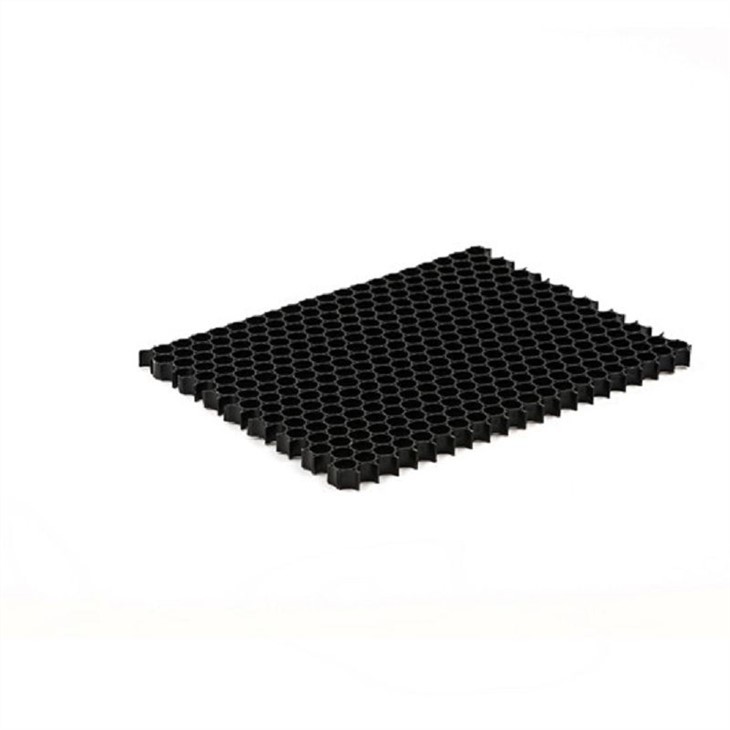
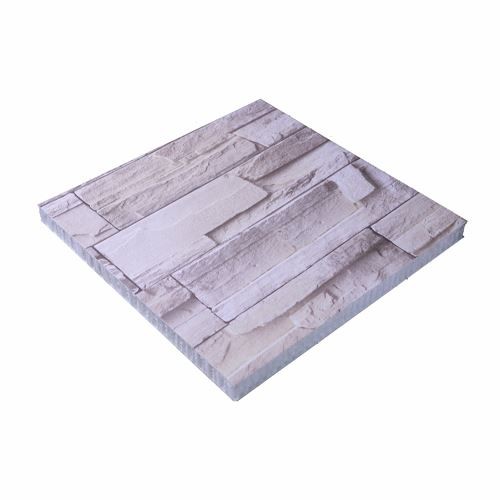
Before we dive into the cutting tools, let's quickly talk about what Non Woven Honeycomb Panels are. These panels are made up of a honeycomb structure that's covered with a non - woven material. They're lightweight, strong, and have excellent insulation properties. That's why they're so popular in various applications. For example, in construction, they can be used for Honeycomb - building - panels to reduce weight without sacrificing strength. And in packaging, they can protect delicate items during transit.
Types of Cutting Tools
1. Circular Saw
A circular saw is a go - to tool for many when it comes to cutting Non Woven Honeycomb Panels. It's relatively easy to use and can make straight cuts quickly. The key is to choose the right blade. A fine - tooth blade with a high number of teeth per inch (TPI) is usually the best option. This type of blade will give you a clean cut and minimize the risk of fraying the non - woven material.
When using a circular saw, make sure to set the blade depth correctly. You don't want the blade to cut too deep and damage the surface below the panel. Also, it's a good idea to use a guide to keep your cuts straight. Just place a straight edge along the cutting line and run the saw along it.
2. Jigsaw
A jigsaw is great for making curved or irregular cuts. If you need to cut out a specific shape from your Non Woven Honeycomb Panel, a jigsaw is your friend. Similar to the circular saw, you'll need to select the right blade. A fine - tooth blade designed for cutting plastics or composites will work well.
One advantage of using a jigsaw is that it's more maneuverable than a circular saw. You can easily change the direction of the cut while you're working. However, it can be a bit slower than a circular saw, especially for long, straight cuts.
3. Band Saw
A band saw is another option for cutting Non Woven Honeycomb Panels. It has a continuous band of blade that runs around two wheels, allowing for smooth and precise cuts. Band saws are great for making long, straight cuts as well as curved cuts.
The main benefit of a band saw is its ability to handle large panels. You can feed the panel through the saw gradually, and it will make a clean cut. But band saws can be a bit more expensive and take up more space compared to circular saws or jigsaws.
4. Laser Cutter
If you're looking for the ultimate in precision, a laser cutter might be the way to go. Laser cutters use a high - powered laser beam to cut through the panel. They can make extremely accurate cuts, even for complex shapes.
However, laser cutters are quite expensive and require a certain level of technical expertise to operate. They're also not suitable for large - scale production in all cases, as the cutting speed can be relatively slow. But for high - end applications where precision is crucial, a laser cutter can be a game - changer.
Factors to Consider When Choosing a Cutting Tool
1. Cut Quality
The quality of the cut is one of the most important factors. You want a clean cut without any fraying or rough edges. Different cutting tools will produce different cut qualities. As I mentioned earlier, a fine - tooth blade on a circular saw, jigsaw, or band saw can help improve the cut quality.
2. Panel Thickness
The thickness of the Non Woven Honeycomb Panel will also affect your choice of cutting tool. Thicker panels may require a more powerful tool, such as a band saw or a laser cutter. Thinner panels can usually be cut with a circular saw or a jigsaw.
3. Quantity of Cuts
If you need to make a large number of cuts, you'll want a tool that's efficient and can handle the workload. A circular saw or a band saw is usually better for high - volume cutting compared to a jigsaw or a laser cutter.
4. Cutting Shape
The shape you need to cut is another important consideration. For straight cuts, a circular saw or a band saw is ideal. For curved or irregular shapes, a jigsaw or a laser cutter is a better choice.
Safety Precautions
No matter which cutting tool you choose, safety should always be your top priority. When using any cutting tool, wear appropriate safety gear, such as safety glasses, gloves, and a dust mask. Make sure the tool is properly maintained and in good working condition.
Read the manufacturer's instructions carefully before using the tool. If you're not familiar with a particular tool, it's a good idea to practice on a scrap piece of panel first.
Thermoplastic Honeycomb Core in Non Woven Honeycomb Panels
Some Non Woven Honeycomb Panels use Thermoplastic Honeycomb Core. When cutting panels with a thermoplastic honeycomb core, you need to be a bit more careful. The heat generated during the cutting process can cause the thermoplastic to melt or warp.
For circular saws, jigsaws, and band saws, using a blade with a low cutting speed and a high TPI can help reduce the heat. For laser cutters, adjusting the power and speed settings correctly is crucial to avoid melting the core.
Conclusion
In conclusion, there are several cutting tools suitable for Non Woven Honeycomb Panels, each with its own advantages and disadvantages. The choice of cutting tool depends on factors such as cut quality, panel thickness, quantity of cuts, and cutting shape.
If you're in the market for Non Woven Honeycomb Panels or have any questions about cutting them, feel free to reach out. We're here to help you find the best solutions for your needs. Whether you're a small - scale DIY enthusiast or a large - scale manufacturer, we can provide you with high - quality panels and advice on the best cutting tools to use.
References
- General knowledge about cutting tools and Non Woven Honeycomb Panels from industry experience.
- Manufacturer's manuals for various cutting tools.