

As a supplier of Non Slip Honeycomb Panels, I often get asked a variety of questions from potential customers. One of the most common inquiries is whether our non - slip honeycomb panels are resistant to mold and mildew. In this blog post, I'll delve deep into this topic, exploring the science behind the panels' resistance and the factors that contribute to it.
Understanding Mold and Mildew
Before we can discuss the resistance of non - slip honeycomb panels to mold and mildew, it's important to understand what they are. Mold and mildew are both types of fungi. Mold is a more general term that encompasses a wide range of fungi, which can grow on various surfaces. It often appears as fuzzy or discolored patches and can come in different colors such as black, green, or white. Mildew, on the other hand, is a specific type of mold. It typically grows in warm, damp, and humid conditions and is often found on organic materials like wood, paper, and fabric. Mildew usually presents as a powdery or downy substance, commonly in white or gray colors.
Both mold and mildew thrive in environments with high moisture levels, poor ventilation, and the presence of organic matter that they can use as a food source. They can cause a variety of problems, including health issues such as allergies, respiratory problems, and can also damage the surfaces they grow on.
The Composition of Non Slip Honeycomb Panels
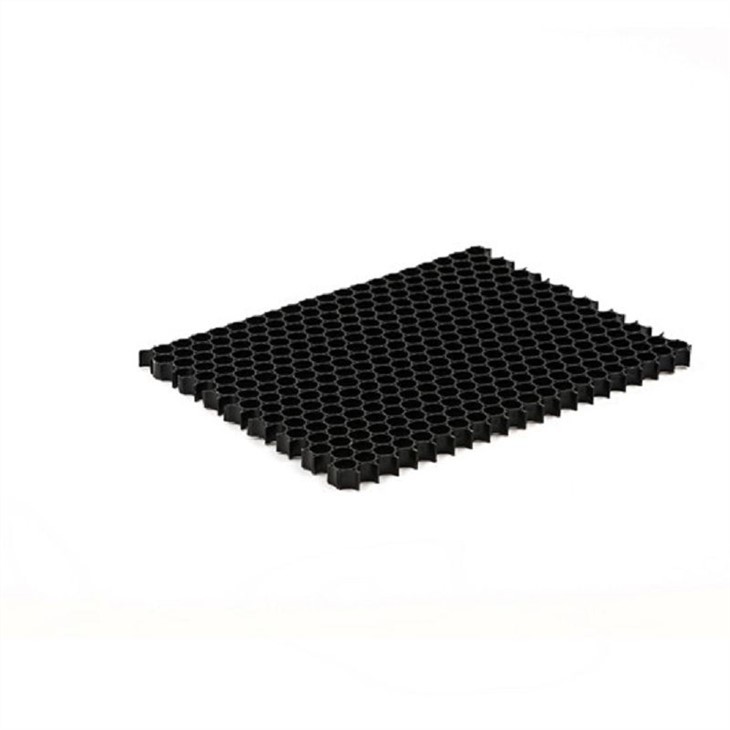
Our non - slip honeycomb panels are engineered with a unique structure and composition that gives them their anti - slip properties. The core of these panels is often made from a Thermoplastic Honeycomb Core. Thermoplastic materials are known for their durability, lightweight nature, and resistance to a variety of environmental factors.
The honeycomb structure itself provides strength and stability to the panel while reducing its overall weight. This structure is not only efficient in terms of material use but also plays a role in the panel's resistance to mold and mildew. The honeycomb design allows for better air circulation within the panel, which helps to prevent the build - up of moisture, one of the key factors that promote mold and mildew growth.
The outer layer of the non - slip honeycomb panel is designed to provide traction, preventing slips and falls. This layer is typically made from materials that are resistant to water absorption. Since mold and mildew require moisture to grow, a low - water - absorption surface reduces the likelihood of these fungi taking hold.
Resistance to Mold and Mildew
One of the primary reasons our non - slip honeycomb panels are resistant to mold and mildew is the use of non - organic materials in their construction. Mold and mildew feed on organic matter, and since our panels are mainly composed of thermoplastics and other synthetic materials, there is no readily available food source for these fungi.
In addition to the lack of a food source, the panels' resistance to water absorption is a crucial factor. As mentioned earlier, moisture is essential for mold and mildew growth. Our panels are designed to repel water, which means that even in wet environments, the surface of the panel remains relatively dry. This dry environment makes it difficult for mold and mildew spores to germinate and grow.
The honeycomb structure also aids in moisture management. The open cells in the honeycomb allow air to flow through the panel, which helps to evaporate any moisture that might come into contact with it. This continuous air circulation reduces the humidity levels within and around the panel, further inhibiting the growth of mold and mildew.
Testing and Certification
To ensure the quality and performance of our non - slip honeycomb panels, we subject them to rigorous testing. We test the panels for their water resistance, anti - slip properties, and, of course, their resistance to mold and mildew. Our panels are tested in controlled environments that simulate real - world conditions, including high humidity and moisture levels.
We also strive to obtain relevant certifications for our products. These certifications serve as proof that our panels meet industry standards for mold and mildew resistance. For example, some certifications require the panels to be exposed to mold spores for a certain period, and if there is no visible growth or only minimal growth, the panel passes the test.
Applications and Environments
Our non - slip honeycomb panels are suitable for a wide range of applications, especially in environments where mold and mildew are a concern. For instance, in commercial kitchens, where there is a lot of water, steam, and food debris, mold and mildew can quickly become a problem. Our panels can be used on floors, walls, and even countertops, providing a non - slip surface that is resistant to the growth of these fungi.
In bathrooms and shower areas, high humidity levels make it an ideal environment for mold and mildew growth. The non - slip honeycomb panels can be installed on the floor and walls, creating a safe and hygienic space. They can also be used in outdoor areas such as pool decks. The panels' resistance to water and mold makes them suitable for withstanding the constant exposure to water and changing weather conditions.
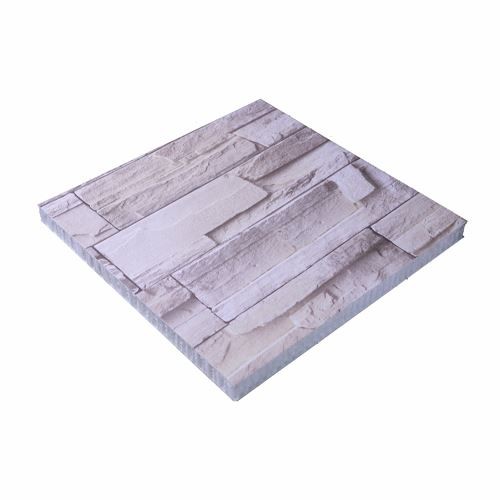
Another application is in Honeycomb - building - panels for construction. These panels can be used in buildings where moisture control is important, such as in basements or in areas with poor ventilation. The anti - mold and mildew properties of the panels help to maintain the structural integrity of the building and ensure a healthy indoor environment.
Maintenance and Long - Term Resistance
While our non - slip honeycomb panels are inherently resistant to mold and mildew, proper maintenance is still important to ensure their long - term performance. Regular cleaning of the panels is recommended to remove any dirt, debris, or organic matter that might accumulate on the surface. This not only keeps the panels looking good but also eliminates any potential food sources for mold and mildew.
When cleaning the panels, it's important to use mild cleaning agents that are compatible with the panel materials. Harsh chemicals can damage the surface of the panel and may reduce its resistance to mold and mildew. Simple soap and water solutions are usually sufficient for routine cleaning.
In addition to cleaning, it's also important to address any water leaks or moisture issues promptly. Even though the panels are resistant to water absorption, prolonged exposure to standing water can still cause problems over time.
Conclusion
In conclusion, our non - slip honeycomb panels are highly resistant to mold and mildew. Their unique composition, including the Thermoplastic Honeycomb Core and low - water - absorption outer layer, combined with the honeycomb structure that promotes air circulation, makes them an excellent choice for environments where mold and mildew are a concern.
Whether you're looking for a solution for a commercial kitchen, a bathroom, or a building project, our non - slip honeycomb panels offer a safe, durable, and hygienic option. If you're interested in learning more about our products or would like to discuss a potential project, please feel free to reach out. We're always happy to assist you in finding the right non - slip honeycomb panel solution for your needs.
References
- "Mold and Mildew: Biology and Identification" - A scientific guide on the nature and identification of mold and mildew.
- "Thermoplastics: Properties and Applications" - A technical resource on the characteristics and uses of thermoplastic materials.
- "Building Materials and Mold Resistance" - A study on the relationship between building materials and their resistance to mold growth.