

As a supplier of honeycomb composite boards, I've witnessed firsthand the numerous advantages these remarkable materials bring to various industries. In this blog, I'll delve into the key benefits of honeycomb composite boards, highlighting why they are an excellent choice for a wide range of applications.
Lightweight yet Strong
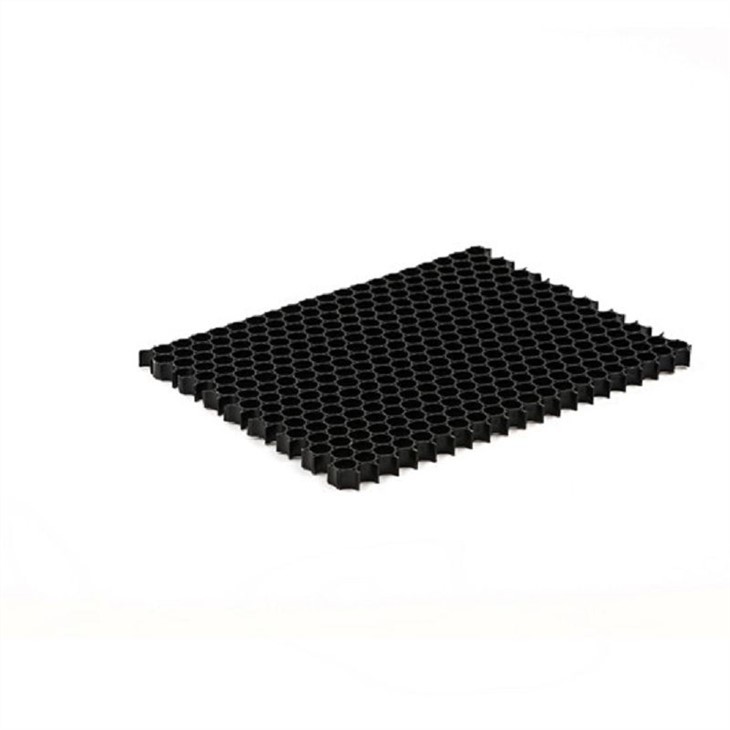
One of the most significant advantages of honeycomb composite boards is their exceptional strength - to - weight ratio. The honeycomb structure consists of a series of hexagonal cells, which are incredibly efficient at distributing loads. This design allows the boards to be extremely lightweight while still maintaining high levels of strength and stiffness.
For example, in the aerospace industry, weight reduction is crucial to improve fuel efficiency and performance. Honeycomb composite boards are used in aircraft interiors, such as cabin partitions and overhead bins. The lightweight nature of these boards helps to reduce the overall weight of the aircraft, leading to lower fuel consumption and reduced emissions. At the same time, their high strength ensures that they can withstand the rigors of flight, including vibrations and impacts.
In the automotive industry, honeycomb composite boards are also gaining popularity. They can be used for interior panels, door linings, and even in some cases, structural components. By using these lightweight boards, automakers can improve the fuel economy of their vehicles and enhance their handling characteristics. The high strength of the honeycomb structure also provides better protection for passengers in the event of a collision.
Excellent Insulation Properties
Honeycomb composite boards offer outstanding insulation properties, both thermally and acoustically. The hexagonal cells in the honeycomb core act as small air pockets, which are excellent insulators.
Thermally, these boards can help to reduce heat transfer. In building construction, honeycomb composite panels can be used in walls, roofs, and floors to improve the energy efficiency of buildings. They prevent heat from entering during hot weather and keep it from escaping during cold weather, reducing the need for excessive heating and cooling. This not only saves energy but also lowers utility bills for building owners.
Acoustically, honeycomb composite boards are effective at reducing noise transmission. They can be used in recording studios, theaters, and other noise - sensitive environments to absorb and dampen sound. The honeycomb structure breaks up sound waves, preventing them from passing through the board easily. This results in a quieter and more comfortable environment for occupants. You can learn more about the types of honeycomb structures used in such applications on our Thermoplastic Honeycomb Core page.
High Flatness and Surface Quality
Honeycomb composite boards typically have a very high degree of flatness and an excellent surface finish. This makes them ideal for applications where a smooth and even surface is required.
In the signage and display industry, honeycomb composite boards are widely used. They can be printed on directly, providing a high - quality surface for vivid and long - lasting graphics. The flatness of the boards ensures that the printed images are sharp and clear, without any distortion. Whether it's for outdoor billboards, indoor exhibitions, or point - of - sale displays, honeycomb composite boards offer a professional and attractive solution.
In the furniture industry, these boards are used for tabletops, cabinet doors, and other components. The smooth surface can be easily finished with veneers, laminates, or paints, giving furniture a high - end look. The flatness also ensures that the furniture is stable and functional.
Good Chemical Resistance
Honeycomb composite boards often have good chemical resistance, depending on the materials used in their construction. This makes them suitable for use in harsh environments where exposure to chemicals is a concern.
In the marine industry, honeycomb composite boards can be used for boat interiors, decks, and other components. They are resistant to water, salt, and other chemicals commonly found in the marine environment. This helps to prevent corrosion and damage, increasing the lifespan of the boat's components.
In industrial settings, where there may be exposure to various chemicals, honeycomb composite boards can be used for workbenches, storage cabinets, and other equipment. Their chemical resistance ensures that they can withstand the wear and tear of daily use in these challenging environments.
Easy to Process and Fabricate
Another advantage of honeycomb composite boards is that they are relatively easy to process and fabricate. They can be cut, drilled, routed, and bonded using standard woodworking and composite fabrication techniques.
This ease of processing makes them a versatile choice for manufacturers. They can be customized to meet the specific requirements of different applications. For example, in the construction industry, honeycomb composite boards can be cut to size on - site and installed quickly. In the manufacturing of custom - made furniture, they can be shaped and assembled to create unique designs.
Cost - Effective
Despite their many advantages, honeycomb composite boards can be a cost - effective solution in the long run. Their lightweight nature reduces transportation costs, as less energy is required to move them. Their durability and long lifespan mean that they need to be replaced less frequently, saving on replacement costs.
In addition, the energy - saving properties of honeycomb composite boards can result in significant cost savings over time. In building construction, the reduced energy consumption can lead to lower utility bills for building owners. In industrial applications, the longer lifespan of equipment made from honeycomb composite boards can reduce maintenance and replacement costs.
Environmental Friendliness
Many honeycomb composite boards are environmentally friendly. They can be made from recycled materials, and they are often recyclable at the end of their life cycle. This helps to reduce waste and minimize the environmental impact.
In the building industry, the use of sustainable materials is becoming increasingly important. Honeycomb composite boards can contribute to green building certifications, such as LEED (Leadership in Energy and Environmental Design). By choosing honeycomb composite boards, builders and developers can demonstrate their commitment to environmental responsibility.
Applications in Building Construction
In building construction, honeycomb composite boards have a wide range of applications. They can be used for curtain walls, which provide an attractive and energy - efficient exterior for buildings. The lightweight nature of the boards makes them easier to install, reducing construction time and costs.
They are also used for interior partitions, which can be easily customized to create different room layouts. The insulation properties of the boards help to create a comfortable indoor environment. For more information on honeycomb boards used in building construction, visit our Honeycomb - building - panels page.
Conclusion
In conclusion, honeycomb composite boards offer a multitude of advantages, including lightweight yet high - strength construction, excellent insulation properties, high flatness and surface quality, good chemical resistance, ease of processing, cost - effectiveness, and environmental friendliness. These benefits make them a preferred choice for a wide range of industries, from aerospace and automotive to signage, furniture, and building construction.
If you're interested in learning more about our honeycomb composite boards or are considering using them in your next project, I encourage you to get in touch with us. We'd be happy to discuss your specific requirements and provide you with detailed information and samples. Let's work together to find the best honeycomb composite board solution for your needs.
References
- "Composite Materials Handbook" by S. T. Peters
- "The Science of Building Materials" by J. M. Ingham
- Industry reports on honeycomb composite board applications in aerospace, automotive, construction, and other sectors.