

When it comes to using PP honeycomb panels, safety is a paramount concern that cannot be overlooked. As a supplier of PP honeycomb panels, I understand the importance of ensuring that our customers are well - informed about the safety aspects associated with these products. In this blog, I will delve into the key safety considerations when using PP honeycomb panels.
1. Material Quality and Compatibility
The quality of the PP honeycomb panel is the first line of defense in ensuring safety. High - quality panels are made from virgin polypropylene (PP) materials that have been carefully formulated to meet industry standards. Inferior quality panels may contain impurities or have inconsistent cell structures, which can compromise their strength and durability.
It is crucial to ensure that the PP honeycomb panels are compatible with the intended application. For example, if the panels are to be used in a food - contact environment, they must comply with relevant food - grade regulations. Our company only supplies panels that are made from food - grade PP materials when required, ensuring that they are safe for use in such sensitive applications.
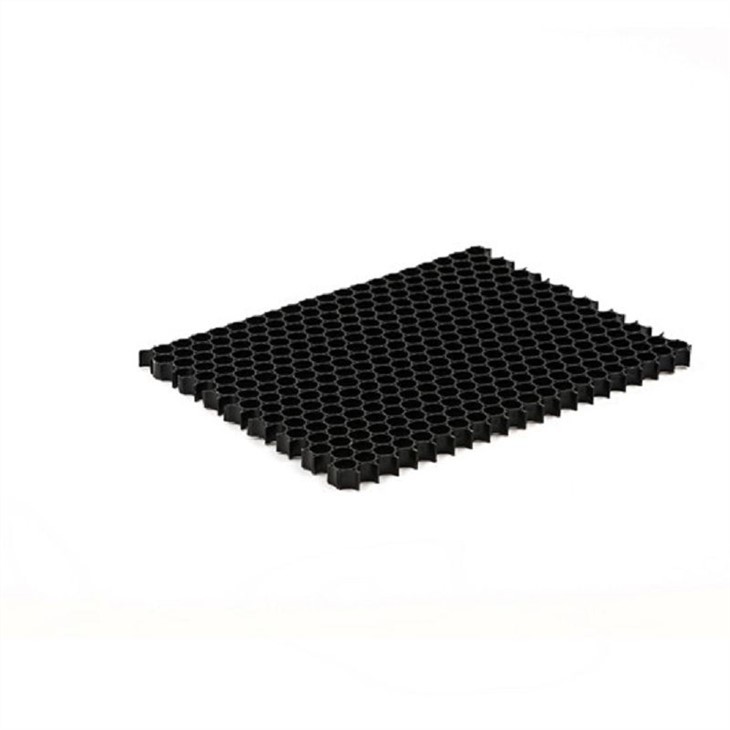
When considering the compatibility, also think about the chemical environment in which the panels will be placed. PP is generally resistant to many chemicals, but there are some substances that can cause degradation. Before using the panels in a chemical - rich environment, it is advisable to conduct compatibility tests. You can learn more about the properties of our Thermoplastic Honeycomb Core, which forms the basis of our high - quality PP honeycomb panels.
2. Installation Safety
Proper installation is essential for the safe use of PP honeycomb panels. During the installation process, workers should follow strict safety protocols. First of all, personal protective equipment (PPE) such as gloves, safety glasses, and hard hats should be worn at all times. This protects workers from potential injuries such as cuts from sharp edges of the panels or debris during cutting and fitting.
When handling large panels, appropriate lifting equipment should be used to prevent back injuries and other physical harm. Workers should be trained on how to operate the lifting equipment correctly. Additionally, the installation area should be well - ventilated, especially when using adhesives or other chemicals during the installation.
The installation surface must be clean, dry, and level. Uneven surfaces can cause stress concentrations in the panels, leading to premature failure. Before installing the panels, make sure to check the surface for any cracks, holes, or other defects and repair them as necessary. Our Honeycomb - building - panels are designed for easy installation, but following these safety guidelines is still crucial.
3. Fire Safety
Although PP honeycomb panels are not highly flammable, they can still pose a fire risk under certain conditions. To enhance fire safety, it is recommended to use flame - retardant PP honeycomb panels in areas where fire protection is a concern, such as public buildings, industrial facilities, and transportation vehicles.
Flame - retardant additives are incorporated into the panels during the manufacturing process to reduce their flammability. These additives work by either releasing non - flammable gases when exposed to heat or forming a protective char layer on the surface of the panel, which slows down the spread of fire.
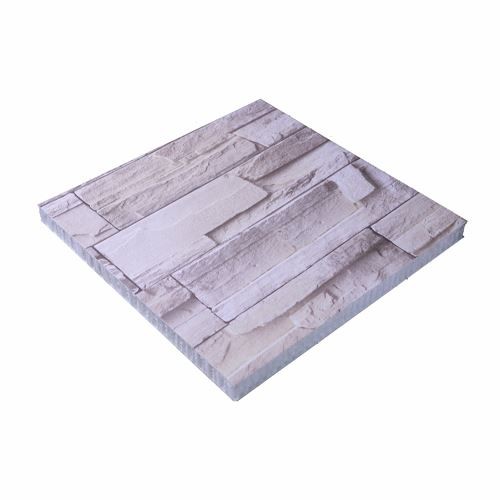
In addition to using flame - retardant panels, proper fire - prevention measures should be in place in the area where the panels are installed. This includes the installation of fire alarms, sprinkler systems, and clear evacuation routes. Regular fire safety inspections should also be carried out to ensure that all safety equipment is in good working condition.
4. Structural Safety
PP honeycomb panels are often used in structural applications, such as partitions, walls, and flooring. In these cases, it is essential to ensure that the panels can withstand the expected loads. The load - bearing capacity of the panels depends on several factors, including the thickness of the panel, the density of the honeycomb structure, and the type of support system used.
Before using the panels in a structural application, a structural engineer should be consulted to determine the appropriate panel specifications and support requirements. Overloading the panels can lead to structural failure, which can cause serious injuries or property damage.
It is also important to consider the long - term structural integrity of the panels. Environmental factors such as temperature changes, humidity, and UV exposure can affect the mechanical properties of the panels over time. Our PP honeycomb panels are designed to have good resistance to these environmental factors, but regular inspections should still be carried out to detect any signs of degradation.
5. Environmental and Health Safety
PP honeycomb panels are generally considered to be environmentally friendly compared to some other materials. However, during the manufacturing and disposal processes, certain environmental and health considerations need to be taken into account.
During the manufacturing process, our company adheres to strict environmental regulations to minimize the release of pollutants. We use energy - efficient production methods and recycle waste materials whenever possible.
When it comes to disposal, PP honeycomb panels can be recycled. Recycling helps to reduce the amount of waste going to landfills and conserves natural resources. However, it is important to ensure that the panels are recycled in a proper facility that is equipped to handle PP materials.
In terms of health, as mentioned earlier, food - grade PP honeycomb panels are safe for use in food - contact applications. However, in other applications, workers and users should be aware of potential exposure to chemicals. Although the risk is low, it is still advisable to follow good ventilation practices and avoid direct contact with any chemicals used in the installation or maintenance of the panels.
6. Maintenance and Inspection
Regular maintenance and inspection are crucial for ensuring the continued safety of PP honeycomb panels. Inspections should be carried out at regular intervals to check for any signs of damage, such as cracks, delamination, or corrosion.
If any damage is detected, it should be repaired immediately. Minor damage can often be repaired using appropriate repair kits, while more severe damage may require the replacement of the affected panels.
Maintenance also includes cleaning the panels regularly. Dirt and debris can accumulate on the surface of the panels, which can not only affect their appearance but also potentially cause damage over time. Use mild cleaning agents and soft cloths to clean the panels to avoid scratching the surface.
Conclusion
As a supplier of PP honeycomb panels, I am committed to providing our customers with high - quality products and ensuring their safety. By considering the material quality, installation safety, fire safety, structural safety, environmental and health safety, as well as maintenance and inspection, users can ensure the safe and long - term use of our PP honeycomb panels.
If you are interested in purchasing our PP honeycomb panels or have any questions about their safety and application, please feel free to contact us for further discussion. We are always ready to provide you with professional advice and solutions to meet your specific needs.
References
- "Plastics in Construction: Properties, Performance, and Sustainability" by John M. Barry
- "Polypropylene: Structure, Blends, and Composites" edited by L. A. Utracki