

Can Non Woven Honeycomb Panel withstand impacts without cracking?
As a supplier of Non Woven Honeycomb Panels, I've been asked numerous times about the panel's ability to withstand impacts without cracking. This question is crucial for many industries, including construction, automotive, and aerospace, where panels are often subjected to various levels of impact. In this blog, I'll delve into the science behind the Non Woven Honeycomb Panel's impact resistance and share real - world examples to help you understand its performance.
Understanding Non Woven Honeycomb Panels
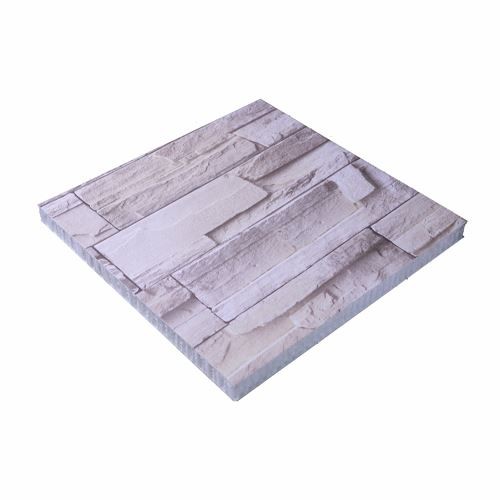
Non Woven Honeycomb Panels are innovative products that have gained popularity due to their lightweight, high strength - to - weight ratio, and excellent insulation properties. The non - woven structure consists of randomly arranged fibers that are bonded together, creating a stable and flexible material. The honeycomb design, on the other hand, provides additional structural integrity.
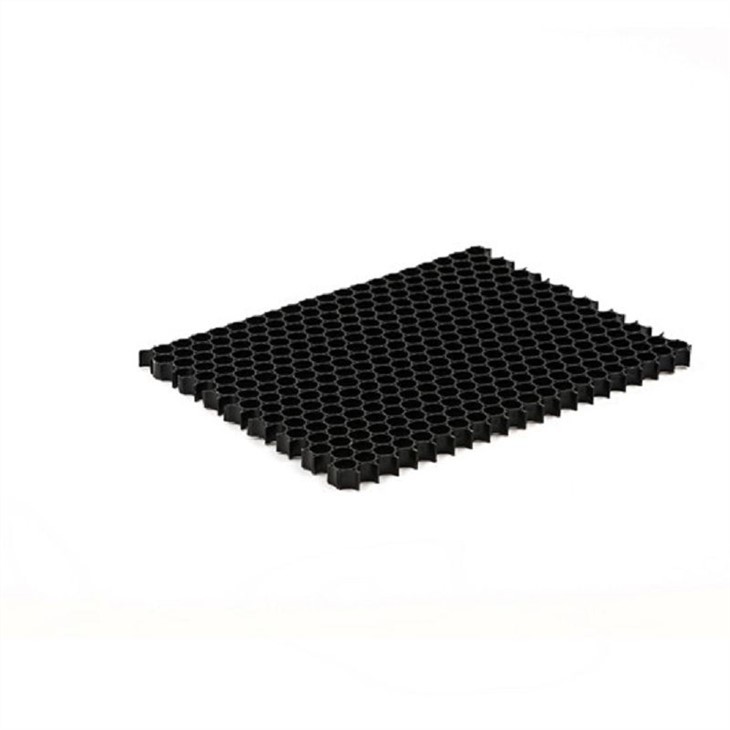
The honeycomb structure is similar to that found in nature, where bees build their hives. The hexagonal cells distribute stress evenly across the panel, which is a key factor in its ability to handle impacts. The non - woven fibers add to the panel's toughness and flexibility, allowing it to absorb and disperse energy.
The Science of Impact Resistance
To understand whether Non Woven Honeycomb Panels can withstand impacts without cracking, we need to look at the principles of impact mechanics. When an object strikes a panel, it transfers energy to the panel. The panel then has to either absorb this energy or transfer it elsewhere.
In the case of Non Woven Honeycomb Panels, the honeycomb structure plays a vital role. The hexagonal cells act as a series of small shock absorbers. When an impact occurs, the cells deform, absorbing and dissipating the energy. The non - woven fibers also contribute to this energy absorption process. The random arrangement of fibers allows them to stretch and bend, further reducing the stress concentration at the impact point.
Factors Affecting Impact Resistance
Several factors can influence the impact resistance of Non Woven Honeycomb Panels. These include the thickness of the panel, the density of the non - woven fibers, and the material used in the honeycomb core.
- Panel Thickness: Generally, thicker panels can withstand more significant impacts. A thicker panel has more material to absorb and distribute the energy from an impact. However, increasing the thickness also adds weight, which may not be desirable in some applications.
- Fiber Density: Higher fiber density in the non - woven layer can enhance the panel's impact resistance. Denser fibers provide more resistance to deformation and can better hold the honeycomb structure together during an impact.
- Honeycomb Core Material: Different materials are used for the honeycomb core, such as thermoplastic polymers. Thermoplastic Honeycomb Core offers unique properties, including good impact resistance and chemical resistance. The choice of core material can significantly affect the overall performance of the panel.
Real - World Examples
In the construction industry, Non Woven Honeycomb Panels are used for partitions, wall cladding, and roofing. These panels are often exposed to minor impacts during construction and normal use. For example, in a commercial building under construction, the panels may be accidentally hit by tools or equipment. Thanks to their impact - resistant properties, the panels can withstand these minor impacts without cracking, maintaining their aesthetic and structural integrity.
In the automotive industry, Non Woven Honeycomb Panels are used for interior components, such as door panels and seat backs. These panels need to withstand impacts from passengers and objects inside the vehicle. The panels' ability to absorb energy helps reduce the risk of injury in case of a collision and also ensures the longevity of the components.
Testing the Impact Resistance
To ensure the quality and performance of our Non Woven Honeycomb Panels, we conduct various impact tests. One common test is the drop - weight test, where a weighted object is dropped from a specific height onto the panel. We measure the force of impact and observe whether the panel cracks or deforms.
Another test is the pendulum impact test, which simulates a swinging impact. This test is useful for evaluating the panel's performance under dynamic loading conditions. Through these tests, we can accurately assess the panel's impact resistance and make improvements to the design if necessary.
Applications and Benefits
Non Woven Honeycomb Panels have a wide range of applications, and their impact - resistant properties offer many benefits. In the aerospace industry, the panels are used for aircraft interiors. The lightweight yet impact - resistant nature of the panels helps reduce the overall weight of the aircraft, leading to fuel savings.
In the packaging industry, Non Woven Honeycomb Panels can be used to protect fragile items during transportation. The panels' ability to absorb impacts ensures that the packaged items arrive at their destination undamaged.
Comparing with Other Panels
When compared to traditional panels, such as solid wood or metal panels, Non Woven Honeycomb Panels often have better impact resistance - to - weight ratios. Solid wood panels can crack easily under impact, especially if the wood is dry or has knots. Metal panels may dent or deform permanently, which can affect their functionality and appearance.
Non Woven Honeycomb Panels, on the other hand, can absorb impacts and return to their original shape in many cases. This makes them a more reliable choice for applications where impact resistance is critical.
Conclusion
In conclusion, Non Woven Honeycomb Panels have excellent potential to withstand impacts without cracking. Their unique honeycomb structure and non - woven fiber composition work together to absorb and disperse energy, reducing the risk of cracking. The impact resistance can be further optimized by adjusting factors such as panel thickness, fiber density, and honeycomb core material.
If you're in the market for high - performance, impact - resistant panels, our Non Woven Honeycomb Panels are an ideal choice. We offer a variety of Honeycomb - building - panels to meet different application requirements. Whether you're in construction, automotive, aerospace, or any other industry, we can provide the right solution for you.
If you're interested in learning more about our Non Woven Honeycomb Panels or have specific requirements for your project, please feel free to contact us. We're more than happy to discuss your needs and assist you in making the best choice.
References
- "Impact Mechanics" by W. Goldsmith
- Industry reports on the use of Non Woven Honeycomb Panels in construction, automotive, and aerospace industries.