

Hey there! As a supplier of honeycomb composite boards, I'm super excited to share with you the main materials used to make these amazing products. Honeycomb composite boards have gained a ton of popularity in various industries due to their lightweight yet strong nature, excellent insulation properties, and versatility. So, let's dive right in and explore what goes into making these boards.
Paper Honeycomb Cores
One of the most common materials used for honeycomb cores is paper. Paper honeycomb cores are made from kraft paper, which is a strong and durable type of paper. The kraft paper is first coated with a special adhesive and then formed into a honeycomb structure. This structure provides excellent strength and stiffness while keeping the weight of the board low.
Paper honeycomb cores are widely used in applications where weight is a concern, such as in the packaging industry. They are also used in the construction of furniture, partitions, and interior decoration. The advantage of paper honeycomb cores is that they are relatively inexpensive and easy to manufacture. However, they are not as strong as some other materials and may not be suitable for applications that require high load-bearing capacity.
Aluminum Honeycomb Cores
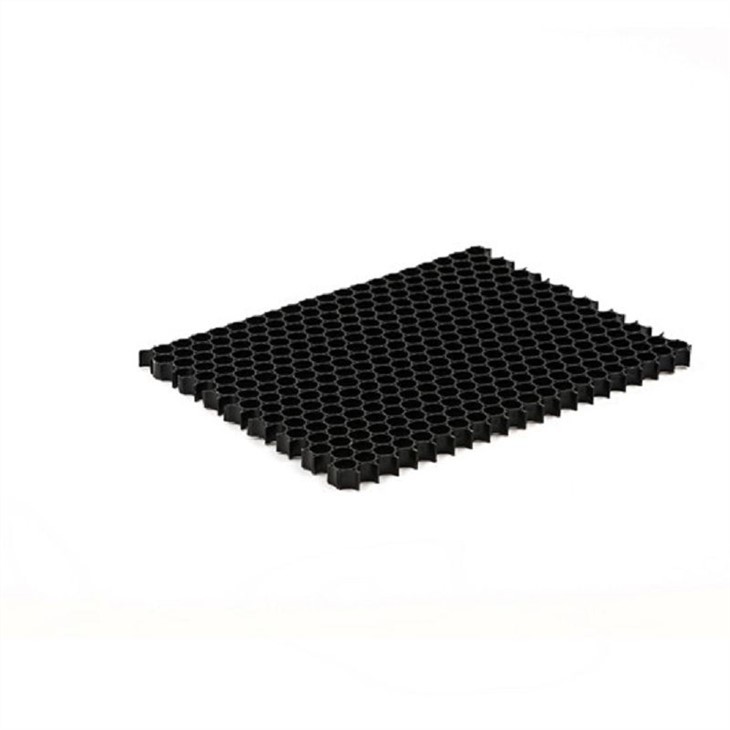
Aluminum honeycomb cores are another popular choice for honeycomb composite boards. Aluminum is a lightweight and corrosion-resistant metal, making it ideal for use in honeycomb structures. The aluminum sheets are first formed into a honeycomb pattern and then bonded together to create the core.
Aluminum honeycomb cores offer several advantages over paper honeycomb cores. They are much stronger and more durable, making them suitable for applications that require high load-bearing capacity. They also have excellent fire resistance and are often used in the aerospace and transportation industries. Additionally, aluminum honeycomb cores are recyclable, which makes them an environmentally friendly choice.
Thermoplastic Honeycomb Core
Thermoplastic honeycomb cores are a relatively new type of honeycomb core material. They are made from thermoplastic polymers, such as polypropylene (PP). Thermoplastic honeycomb cores offer several benefits, including high strength, good chemical resistance, and excellent impact resistance.
One of the key advantages of thermoplastic honeycomb cores is their flexibility. They can be easily molded into different shapes and sizes, making them suitable for a wide range of applications. They are also lightweight and have good insulation properties. You can learn more about Thermoplastic Honeycomb Core on our website.
Fiberglass Honeycomb Cores
Fiberglass honeycomb cores are made from glass fibers that are woven or bonded together to form a honeycomb structure. Fiberglass is a strong and lightweight material that offers excellent mechanical properties. Fiberglass honeycomb cores are often used in applications that require high strength and stiffness, such as in the marine and automotive industries.
Fiberglass honeycomb cores have several advantages over other types of honeycomb cores. They are resistant to moisture, chemicals, and fire, making them suitable for use in harsh environments. They also have good thermal insulation properties, which can help to reduce energy consumption.
Face Sheets
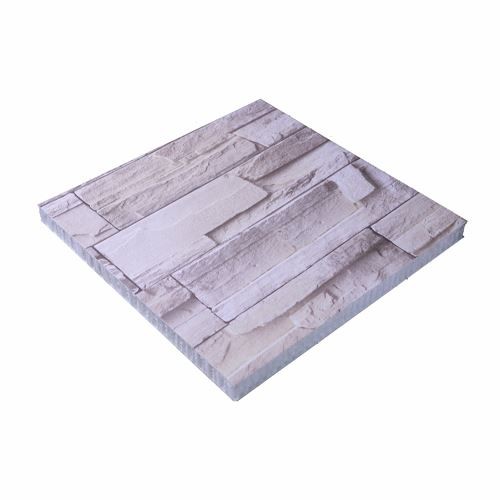
In addition to the honeycomb core, honeycomb composite boards also have face sheets. The face sheets are typically made from materials such as aluminum, steel, wood, or plastic. The choice of face sheet material depends on the specific application of the honeycomb composite board.
For example, if the board is used in an outdoor application, aluminum or steel face sheets may be preferred due to their corrosion resistance. If the board is used in an interior application, wood or plastic face sheets may be more suitable due to their aesthetic appeal.
Adhesives
Adhesives play a crucial role in the manufacturing of honeycomb composite boards. The adhesive is used to bond the honeycomb core to the face sheets. There are several types of adhesives available, including epoxy, polyurethane, and acrylic adhesives.
The choice of adhesive depends on the materials being bonded and the specific requirements of the application. Epoxy adhesives are known for their high strength and durability, while polyurethane adhesives offer good flexibility and impact resistance. Acrylic adhesives are often used for their fast curing time and good adhesion to a variety of materials.
Applications of Honeycomb Composite Boards
Honeycomb composite boards are used in a wide range of applications across various industries. Some of the common applications include:
- Construction: Honeycomb composite boards are used in the construction of walls, floors, and ceilings. They offer excellent insulation properties, which can help to reduce energy consumption. They are also lightweight, which makes them easy to install.
- Transportation: Honeycomb composite boards are used in the automotive, aerospace, and marine industries. They are used to make lightweight and strong components, such as car doors, airplane wings, and boat hulls.
- Furniture: Honeycomb composite boards are used in the manufacturing of furniture, such as cabinets, tables, and chairs. They offer a lightweight and durable alternative to traditional wood furniture.
- Packaging: Honeycomb composite boards are used in the packaging industry to make lightweight and protective packaging materials. They are often used to package fragile items, such as electronics and glassware.
Why Choose Our Honeycomb Composite Boards?
As a supplier of honeycomb composite boards, we offer high-quality products at competitive prices. We have a wide range of honeycomb core materials and face sheet options to choose from, allowing us to meet the specific needs of our customers.
Our honeycomb composite boards are manufactured using the latest technology and equipment, ensuring consistent quality and performance. We also have a team of experienced engineers and technicians who can provide technical support and advice to our customers.
If you're interested in learning more about our Honeycomb-building-panels or have any questions about honeycomb composite boards, please don't hesitate to contact us. We'd be happy to discuss your requirements and provide you with a quote.
In conclusion, honeycomb composite boards are made from a variety of materials, each with its own unique properties and advantages. The choice of materials depends on the specific application of the board and the requirements of the customer. Whether you're looking for a lightweight and strong material for your construction project or a durable and protective packaging material, honeycomb composite boards are a great choice.
So, if you're in the market for honeycomb composite boards, give us a call or send us an email. We're here to help you find the perfect solution for your needs.
References
- ASTM International. (2023). Standard Terminology for Composite Materials. ASTM D3878 - 23.
- ASM International. (2022). Metals Handbook: Composites. 2nd Edition.
- Mallick, P. K. (2021). Fiber - Reinforced Composites: Materials, Manufacturing, and Design. 4th Edition.