

Hey there! I'm a supplier of PP honeycomb panels, and I've spent a lot of time exploring the ins and outs of how these panels work. One of the most crucial aspects that can make or break the performance of joined PP honeycomb panels is the bonding method. In this blog, I'll share my insights on how different bonding methods can impact the performance of these panels.
The Basics of PP Honeycomb Panels
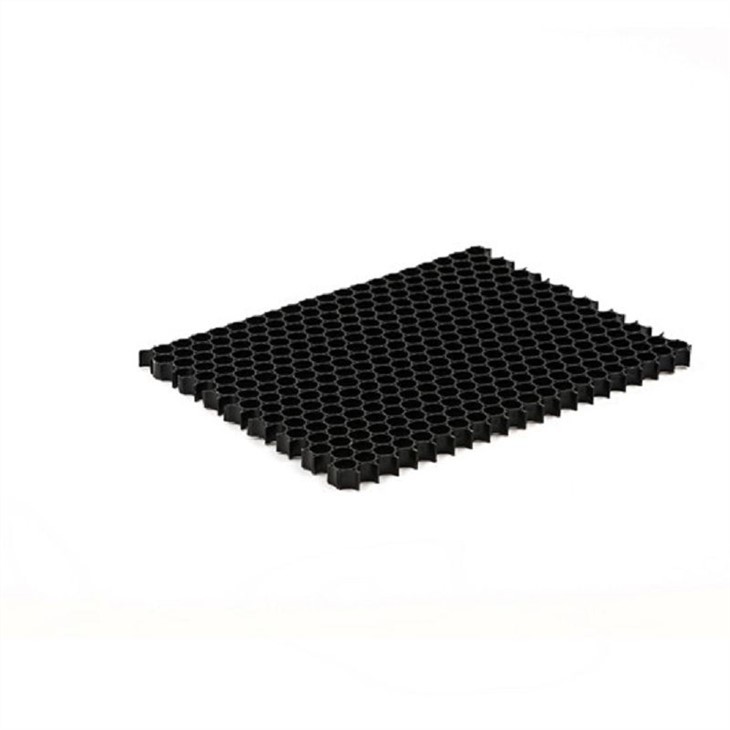
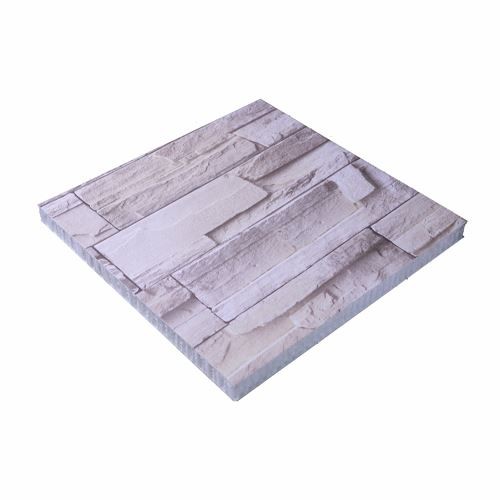
Before we dive into the bonding methods, let's quickly go over what PP honeycomb panels are. PP, or polypropylene, is a popular thermoplastic polymer known for its lightweight, high strength, and chemical resistance. Honeycomb panels are made by sandwiching a honeycomb core between two outer layers. The honeycomb core provides the panel with structural rigidity and strength, while the outer layers protect the core and enhance the panel's appearance.
These panels are used in a wide range of applications, including construction, automotive, marine, and packaging industries. They're great for creating lightweight yet sturdy structures, which is why they're so popular.
Different Bonding Methods
There are several bonding methods used to join PP honeycomb panels, and each method has its own set of advantages and disadvantages. Let's take a look at some of the most common ones.
Adhesive Bonding
Adhesive bonding is one of the most popular methods for joining PP honeycomb panels. It involves applying an adhesive to the surfaces of the panels and then pressing them together. There are different types of adhesives available, such as epoxy, polyurethane, and acrylic adhesives.
The main advantage of adhesive bonding is that it can provide a strong and durable bond. The adhesive fills in any gaps between the panels, creating a seamless joint. This method also allows for a high degree of flexibility in terms of the types of panels and shapes that can be joined.
However, adhesive bonding also has some drawbacks. The curing time of the adhesive can be long, which can slow down the production process. Additionally, the quality of the bond can be affected by factors such as surface preparation, temperature, and humidity. If the surfaces are not properly cleaned and prepared, the adhesive may not bond effectively.
Thermal Welding
Thermal welding is another method used to join PP honeycomb panels. This method involves heating the surfaces of the panels to a high temperature until they become molten, and then pressing them together. Once the panels cool down, they form a permanent bond.
One of the biggest advantages of thermal welding is that it creates a very strong and leak - proof bond. Since the panels are actually fused together, there is no risk of the joint coming apart over time. It also does not require any additional materials like adhesives, which can reduce costs.
However, thermal welding requires specialized equipment and skilled operators. The process can be more complex and less forgiving than adhesive bonding. If the temperature is not controlled properly, it can damage the panels, leading to a weaker bond or even structural failure.
Mechanical Fastening
Mechanical fastening involves using screws, bolts, rivets, or other mechanical devices to join the panels together. This method is relatively simple and quick to implement. It allows for easy disassembly and reassembly of the panels, which can be useful for applications where the structure needs to be modified or repaired.
Mechanical fastening is also a good option when dealing with thick or heavy - duty panels. The fasteners provide immediate strength to the joint. However, mechanical fastening can create stress concentrations around the fastening points, which can lead to cracking or deformation of the panels over time. Additionally, the holes drilled for the fasteners can weaken the panels and reduce their overall strength.
How Bonding Methods Affect Performance
Strength and Durability
The bonding method has a significant impact on the strength and durability of the joined PP honeycomb panels. Adhesive bonding can provide a continuous bond across the entire joint surface, distributing the load evenly. This results in a strong joint that can withstand high stress and fatigue. If the adhesive is of high quality and the bonding process is carried out correctly, the joint can be as strong as the panels themselves.
Thermal welding creates an even stronger bond because the panels are fused at the molecular level. This type of bond is highly resistant to shear, tensile, and compressive forces. It can withstand harsh environmental conditions and heavy use without losing its integrity.
On the other hand, mechanical fastening may not provide the same level of strength as adhesive or thermal bonding. The stress concentrations around the fasteners can cause the panels to fail prematurely. However, if the fasteners are properly spaced and sized, they can still provide sufficient strength for many applications.
Sealing and Water Resistance
In applications where sealing and water resistance are important, the bonding method matters a lot. Adhesive bonding can create a tight seal between the panels, preventing water from seeping through the joint. However, the quality of the seal depends on the type of adhesive used and the proper application. Some adhesives may be more water - resistant than others.
Thermal welding also provides excellent sealing properties. Since the panels are melted and fused together, there are no gaps or crevices for water to penetrate. This makes it ideal for applications in wet environments, such as marine or outdoor construction.
Mechanical fastening, on the other hand, may not offer the same level of water resistance. The holes drilled for the fasteners can allow water to enter, which can lead to corrosion and damage over time. Additional sealing measures, such as gaskets or sealants, may be required when using mechanical fastening in water - sensitive applications.
Aesthetics
The bonding method can also affect the aesthetics of the joined panels. Adhesive bonding can create a smooth and seamless joint, which is often desirable for applications where appearance is important. The adhesive can be matched to the color of the panels, making the joint less noticeable.
Thermal welding, while strong, can sometimes leave visible marks or ridges on the surface of the panels, which may not be aesthetically pleasing in some applications. However, with proper technique and equipment, these marks can be minimized.
Mechanical fastening is the least aesthetic option as the fasteners are visible on the surface of the panels. This may be acceptable in industrial applications but not in applications where a clean and smooth appearance is required.
Choosing the Right Bonding Method
When choosing a bonding method for your PP honeycomb panels, you need to consider several factors. First, think about the application. If you're using the panels in a high - stress environment, such as in a bridge or a heavy - duty vehicle, thermal welding or high - strength adhesive bonding may be the best choice. For applications where water resistance is crucial, like in a boat or a bathroom partition, thermal welding or a water - resistant adhesive would be ideal.
Cost is also an important factor. Adhesive bonding may require the purchase of adhesives and additional equipment for application, while thermal welding requires specialized welding equipment. Mechanical fastening is usually the most cost - effective option in terms of equipment and materials, but it may require more labor for installation.
Finally, consider the production time. If you need to produce a large number of joined panels quickly, mechanical fastening or a fast - curing adhesive may be more suitable. If you have more time and want a high - quality, long - lasting bond, thermal welding or a slower - curing adhesive may be a better choice.
Where to Find Quality PP Honeycomb Panels
If you're in the market for high - quality PP honeycomb panels, you can check out our Thermoplastic Honeycomb Core and Honeycomb - building - panels. We offer a wide range of panels that are suitable for various applications.
If you want to discuss your specific needs or have any questions about the bonding methods or our products, don't hesitate to reach out. We're here to help you find the best solution for your project. Whether you're a contractor, a designer, or an engineer, we're confident that we can provide you with the right PP honeycomb panels and guidance on the bonding methods.
References
- "Plastics in Automotive Engineering", Springer, 2015
- "Handbook of Adhesive Bonding", CRC Press, 2012
- "Joining Technologies for Thermoplastics", Woodhead Publishing, 2010