

When it comes to construction and industrial applications, non - slip honeycomb panels have emerged as a popular choice due to their unique properties. One of the most common questions I, as a non - slip honeycomb panel supplier, often get asked is: "Are non - slip honeycomb panels waterproof?" In this blog post, we'll delve into the science behind these panels, their water - resistant capabilities, and how they can be used in various settings.
Understanding Non - Slip Honeycomb Panels
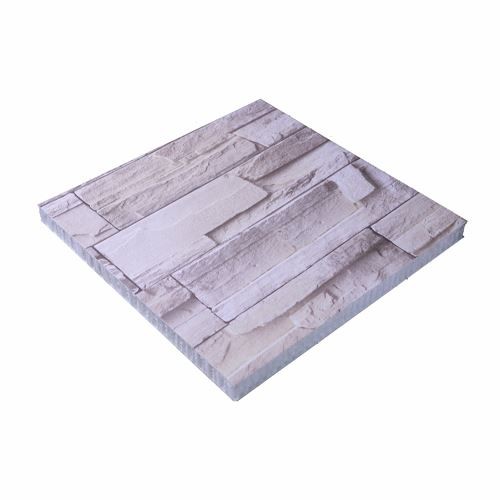
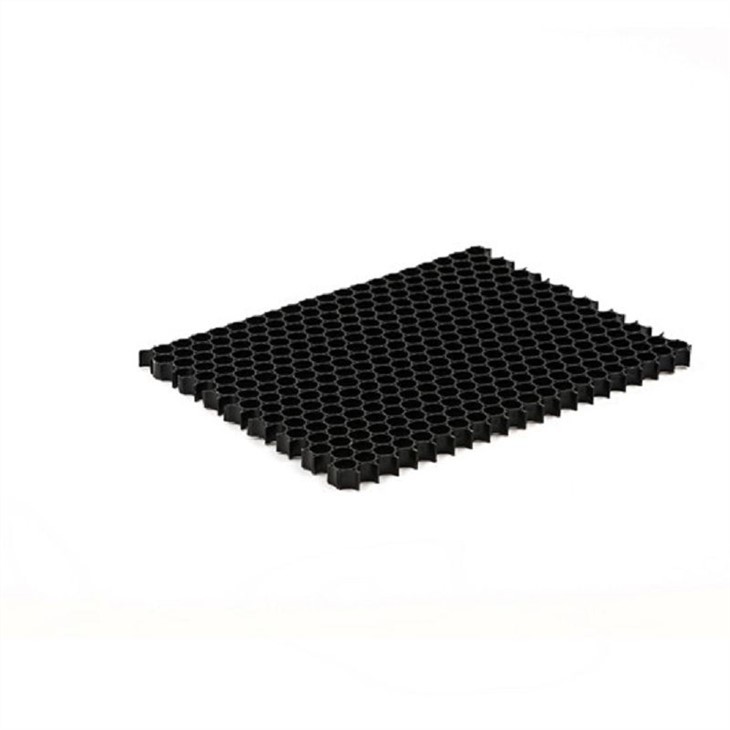
Non - slip honeycomb panels are a type of composite material. They typically consist of a honeycomb core, which provides structural integrity and lightness, and a surface layer that offers the non - slip feature. The honeycomb core is usually made from materials like thermoplastic polymers, which are known for their strength - to - weight ratio. You can learn more about the Thermoplastic Honeycomb Core on our website.
The non - slip surface is designed to enhance safety in areas where there is a risk of slippage, such as walkways, decks, and industrial floors. This surface can be made from a variety of materials, including rubber, PVC, or even special coatings that provide a rough texture, increasing the coefficient of friction.
The Waterproofing Capabilities of Non - Slip Honeycomb Panels
The waterproofing ability of non - slip honeycomb panels depends on several factors, including the materials used in their construction and the manufacturing process.
Material Selection
If the honeycomb core is made from a thermoplastic material, it inherently has some level of water resistance. Thermoplastics are polymers that can be melted and reshaped multiple times, and they often have low water absorption rates. This means that water will not easily penetrate the core material, which helps in maintaining the panel's structural integrity over time.
The surface layer also plays a crucial role in waterproofing. For example, if it is made from a rubber or PVC material, these are known for their excellent water - resistant properties. Rubber is hydrophobic, which means it repels water, and PVC is a synthetic plastic that is resistant to moisture and chemicals.
Manufacturing Process
A well - manufactured non - slip honeycomb panel will have a seamless or well - sealed structure. During the manufacturing process, proper adhesion between the honeycomb core and the surface layer is essential. If there are gaps or poor bonding, water can seep into the panel, potentially causing damage and reducing its performance.
In addition, some manufacturers may apply waterproof coatings to the edges of the panels during production. These coatings act as a barrier, preventing water from entering through the exposed edges where the honeycomb core is visible.
Testing and Performance Metrics
To determine the waterproofing capabilities of non - slip honeycomb panels, several tests can be conducted.
One common test is the water immersion test. In this test, a sample of the panel is submerged in water for a specific period, usually 24 to 48 hours, and then removed. The panel is then inspected for signs of water absorption, such as swelling, discoloration, or a decrease in strength. If the panel shows minimal changes after the test, it indicates good waterproofing performance.
Another important metric is the water vapor transmission rate (WVTR). This measures how much water vapor can pass through the panel over a given area and time. A lower WVTR means the panel is better at preventing the passage of water vapor, which is important in preventing moisture - related issues like mold growth and corrosion.
Applications in Waterproof Environments
Non - slip honeycomb panels are suitable for a wide range of applications where waterproofing is required.
Marine Applications
In the marine industry, these panels can be used for boat decks, walkways on docks, and even interior flooring in boats. The non - slip feature is crucial for safety in wet conditions, and the waterproofing ensures that the panels can withstand constant exposure to water without deteriorating.
Bathroom and Kitchen Flooring
In residential and commercial buildings, non - slip honeycomb panels can be used as flooring in bathrooms and kitchens. These areas are prone to water spills, and the waterproof nature of the panels helps prevent water damage to the subfloor and reduces the risk of mold growth.
Outdoor Decks and Patios
Outdoor decks and patios are exposed to the elements, including rain and snow. Non - slip honeycomb panels provide a durable and safe surface that can resist water and maintain its appearance over time. You can explore more about Honeycomb - building - panels for such applications on our website.
Limitations and Considerations
While non - slip honeycomb panels have good waterproofing capabilities, they do have some limitations.
Long - term Exposure
Prolonged exposure to water, especially in harsh conditions such as saltwater or acidic water, can gradually degrade the panel's performance. Over time, the water may start to break down the materials, causing the non - slip surface to wear off or the honeycomb core to lose its structural integrity.
Installation Quality
The waterproofing performance of the panels also depends on the quality of installation. If the panels are not installed correctly, with proper sealing around the edges and joints, water can seep in and cause problems.
Conclusion
In conclusion, non - slip honeycomb panels generally have good waterproofing capabilities, thanks to the materials used in their construction and the manufacturing processes employed. However, like any material, their performance can be affected by long - term exposure and installation quality.
If you are considering using non - slip honeycomb panels for your project, it is important to carefully evaluate your specific requirements. Whether you need them for a marine application, a bathroom floor, or an outdoor deck, these panels can offer a combination of safety and water resistance.
If you're interested in purchasing non - slip honeycomb panels or have any questions regarding their suitability for your project, feel free to reach out. Our team of experts is ready to assist you in making the right choice.
References
- ASTM International. (20XX). Standard test methods for determining waterproofing performance of building materials.
- Smith, J. (20XX). Composite materials in construction: Properties and applications. Construction Press.