

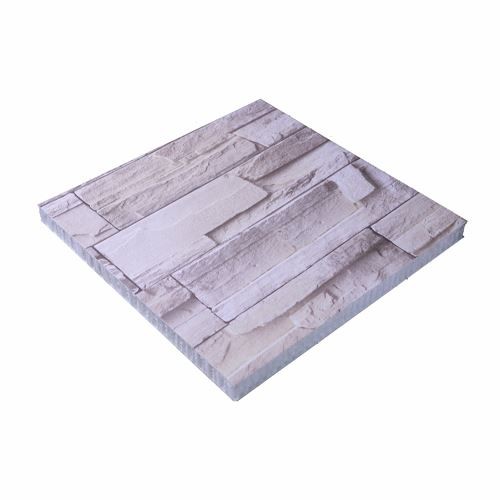
Hey there! As a supplier of Non Woven Honeycomb Panels, I'm super excited to share with you how to install these amazing panels. Non Woven Honeycomb Panels are becoming increasingly popular in various construction and design projects due to their lightweight, strong, and eco - friendly nature. So, let's dive right in!
Pre - installation Preparations
Before you start installing the Non Woven Honeycomb Panels, you've got to make sure you've got everything ready. First off, measure the area where you're going to install the panels. This is crucial as it'll help you figure out how many panels you need. You don't want to end up with too many or too few panels, right?
Next, gather all the necessary tools. You'll need a measuring tape, of course, for those accurate measurements. A sharp utility knife will come in handy for cutting the panels to the right size. A level is essential to ensure that the panels are installed straight. And don't forget about adhesives or fasteners. Depending on the surface you're installing the panels on, you might choose between glue, nails, or screws.
Surface Preparation
The surface where you're installing the Non Woven Honeycomb Panels needs to be clean, dry, and smooth. If there are any bumps, cracks, or debris on the surface, it can affect the installation and the overall look of the panels. For a concrete surface, you can use a wire brush to remove any loose particles. If it's a wooden surface, sand it down to make it smooth.
If the surface is uneven, you might need to use a leveling compound. This will create a flat base for the panels. Make sure to follow the manufacturer's instructions when using the leveling compound. Let it dry completely before moving on to the next step.
Cutting the Panels
Once you've measured the area and prepared the surface, it's time to cut the Non Woven Honeycomb Panels. Use your measuring tape to mark the panels where you need to cut them. Then, take your sharp utility knife and score the panel along the marked line. Do this a few times to make a deep cut. After that, you can easily break the panel along the scored line.
If you need to make curved cuts, you can use a jigsaw. Just make sure to go slow and steady to get a clean cut. When cutting the panels, wear safety goggles to protect your eyes from any flying debris.
Installation Process
There are a couple of ways to install Non Woven Honeycomb Panels, and it depends on the application and the surface.
Adhesive Installation
If you're using adhesive, apply it evenly on the back of the panel or on the installation surface. You can use a notched trowel to spread the adhesive. Make sure to apply enough adhesive, but not too much that it oozes out when you press the panel down.
Carefully place the panel on the surface, starting from one corner. Use a level to ensure that the panel is straight. Press the panel firmly onto the surface to make sure it adheres well. You can use a roller to apply even pressure across the panel.
If you're installing multiple panels, leave a small gap between them. This is called an expansion joint, and it allows the panels to expand and contract with changes in temperature and humidity. You can fill these gaps with a suitable sealant later.
Fastener Installation
For fastener installation, you'll need to pre - drill holes in the panels. This helps prevent the panels from cracking when you insert the nails or screws. Use a drill bit that's slightly smaller than the fastener you're using.
Place the panel on the surface and align it properly. Then, insert the nails or screws through the pre - drilled holes and into the surface. Make sure the fasteners are evenly spaced and tightened securely.
When installing the panels with fasteners, you can also use washers to distribute the pressure and prevent the panels from getting damaged.
Finishing Touches
After installing all the Non Woven Honeycomb Panels, it's time for the finishing touches. If you left expansion joints between the panels, fill them with a sealant. Choose a sealant that's compatible with the panels and the environment.
You can also clean the panels to remove any adhesive or dirt that might have gotten on them during the installation process. Use a mild detergent and a soft cloth to clean the panels. Avoid using abrasive cleaners as they can scratch the surface of the panels.
Benefits of Non Woven Honeycomb Panels
Non Woven Honeycomb Panels offer a bunch of benefits. They are extremely lightweight, which makes them easy to handle and install. This also reduces the overall weight of the structure, which can be a big advantage in some construction projects.
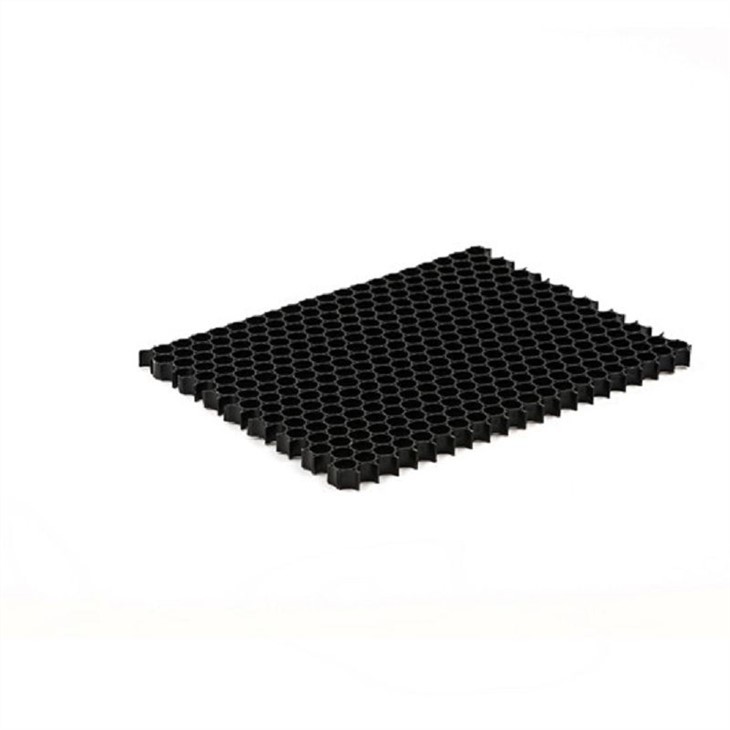
These panels are also very strong. The honeycomb structure provides excellent strength and stiffness, making them suitable for a wide range of applications. They are also eco - friendly as they are often made from recycled materials.
If you're interested in learning more about different types of honeycomb panels, you can check out Honeycomb - building - panels and Thermoplastic Honeycomb Core. These links will give you more information about the products and their features.
Conclusion
Installing Non Woven Honeycomb Panels isn't as complicated as it might seem. With the right preparations, tools, and techniques, you can achieve a great installation. Whether you're a DIY enthusiast or a professional contractor, these panels are a great choice for your projects.
If you're thinking about purchasing Non Woven Honeycomb Panels for your next project, I'd love to have a chat with you. We can discuss your specific needs, the best panel options for you, and work out a great deal. Don't hesitate to reach out and start the procurement discussion.
References
- Manufacturer's installation guides for Non Woven Honeycomb Panels
- Construction industry best practices for panel installation