

Hey there! As a supplier of Non Woven Honeycomb Panels, I often get asked about the standard size of these panels. So, I thought I'd write this blog to share some insights on the topic.
First off, it's important to understand that there isn't a one - size - fits - all standard for Non Woven Honeycomb Panels. The size can vary depending on a bunch of factors, like the application, customer requirements, and manufacturing capabilities.
Common Sizes in the Market
Let's start with the most common sizes you'll come across. In terms of length and width, a lot of the panels are available in standard sheet sizes. For example, a popular size is 1220mm x 2440mm. This size is quite handy because it's similar to the standard sizes of many building materials, making it easier to integrate into construction projects. It's like a universal fit in the building world, if you know what I mean.
Another common size is 1000mm x 2000mm. This is a bit more compact and might be preferred for smaller projects or when space is limited. It's also easier to handle and transport compared to the larger 1220mm x 2440mm size.
When it comes to thickness, it can range from as thin as 3mm to as thick as 50mm or more. Thinner panels, say around 3 - 5mm, are often used for lightweight applications like interior decoration, signage, or packaging. They're easy to cut and shape, and they don't add much weight to the overall structure.
On the other hand, thicker panels, in the range of 20 - 50mm, are more suitable for heavy - duty applications. For instance, they can be used in the construction of partitions, furniture, or even in some industrial settings where strength and durability are crucial.
Factors Affecting the Size
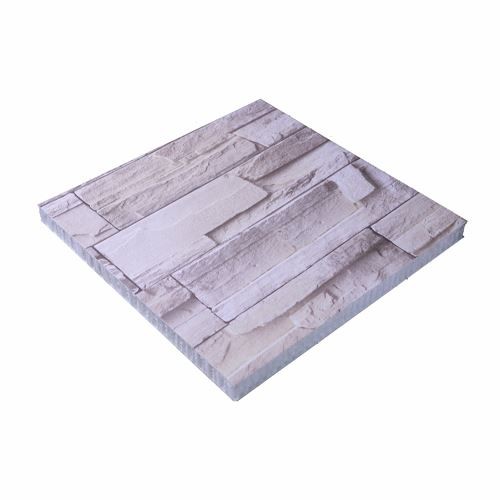
Now, let's talk about the factors that influence the size of these panels. The application is a major one. If you're using the Non Woven Honeycomb Panels for Honeycomb - building - panels, you'll likely need larger and thicker panels to provide the necessary structural support. These panels need to be able to withstand the weight and forces associated with a building structure.
Customer requirements also play a huge role. Some customers might have very specific size needs based on their project design. Maybe they're creating a custom - made piece of furniture and need a panel with exact dimensions. In such cases, we can often customize the size of the panels to meet their needs.
Manufacturing capabilities are another factor. Our production equipment has certain limitations when it comes to the size of the panels we can produce. However, we're constantly investing in new technology to be able to offer a wider range of sizes.
Advantages of Different Sizes
The different sizes of Non Woven Honeycomb Panels come with their own set of advantages. Smaller panels are great for DIY projects. They're easy to handle, and you can work with them without needing heavy - duty equipment. You can cut them with a simple saw and assemble them using basic tools.
Larger panels, on the other hand, are more efficient for large - scale projects. They reduce the number of joints, which can improve the overall strength and appearance of the structure. Fewer joints also mean less time spent on installation, which can save both time and money.
Customization and Special Sizes
As I mentioned earlier, we understand that sometimes the standard sizes just won't cut it. That's why we offer customization services. Whether you need a panel with a unique length, width, or thickness, we can make it happen. We have a team of experts who will work closely with you to ensure that the final product meets your exact specifications.
For example, if you're working on a project that requires a panel with a specific curvature or shape, we can use advanced manufacturing techniques to create it. We've even had customers who needed panels with special cut - outs for electrical wiring or other components. We were able to deliver exactly what they needed.
Comparing with Thermoplastic Honeycomb Core
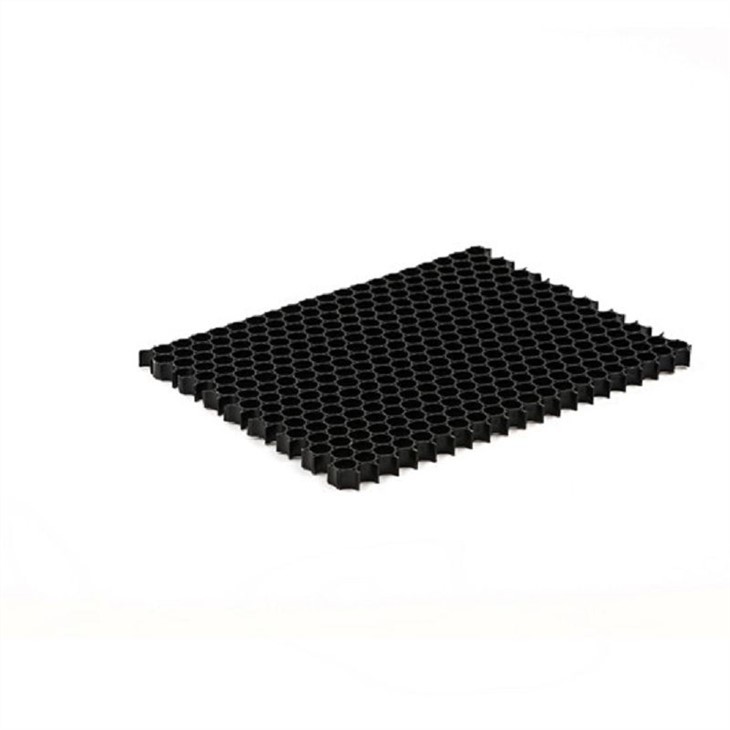
It's also worth comparing Non Woven Honeycomb Panels with Thermoplastic Honeycomb Core. While both have honeycomb structures, they have some differences in terms of size and application.
Thermoplastic Honeycomb Core is often used in applications where high - temperature resistance and chemical resistance are required. In terms of size, it can also be customized, but the manufacturing process might be a bit different. Non Woven Honeycomb Panels, on the other hand, are more versatile in terms of size and can be used in a wider range of applications, from construction to packaging.
Quality Control for Different Sizes
Regardless of the size of the Non Woven Honeycomb Panels, we have strict quality control measures in place. We test each panel for strength, durability, and dimensional accuracy. This ensures that you're getting a high - quality product that will perform well in your project.
For larger panels, we pay extra attention to the uniformity of the honeycomb structure. Any irregularities could affect the strength and stability of the panel. For smaller panels, we focus on the precision of the cutting and shaping to make sure they fit perfectly into the intended application.
Conclusion
In conclusion, the standard size of Non Woven Honeycomb Panels can vary widely depending on the application, customer needs, and manufacturing capabilities. While there are common sizes like 1220mm x 2440mm and 1000mm x 2000mm, we're always ready to customize the size to meet your specific requirements.
If you're in the market for Non Woven Honeycomb Panels, whether it's for a small DIY project or a large - scale construction job, I'd love to have a chat with you. We can discuss your needs, and I'll help you find the perfect size and type of panel for your project. Don't hesitate to reach out and start the conversation about your procurement needs.
References
- Industry standards and guidelines for Non Woven Honeycomb Panels
- Internal records and customer feedback from our experience as a supplier