

As a seasoned supplier of honeycomb composite boards, I've witnessed firsthand the remarkable versatility and utility of these materials across a wide range of industries. Honeycomb composite boards are engineered structures that consist of a honeycomb core sandwiched between two face sheets. This unique design provides an optimal combination of strength, stiffness, and lightweight properties, making them an ideal choice for applications where weight reduction and structural integrity are paramount. In this blog post, I'll delve into the different types of honeycomb composite boards available in the market, highlighting their characteristics, applications, and benefits.
Aluminum Honeycomb Composite Boards
Aluminum honeycomb composite boards are among the most popular types of honeycomb panels due to their excellent strength-to-weight ratio, corrosion resistance, and fire retardancy. The honeycomb core is typically made from aluminum foil, which is formed into a hexagonal pattern and bonded to the face sheets using an adhesive. The face sheets can be made from various materials, including aluminum, steel, fiberglass, or carbon fiber, depending on the specific application requirements.
One of the key advantages of aluminum honeycomb composite boards is their high stiffness and strength, which allows them to withstand heavy loads and stresses without deformation. This makes them suitable for use in applications such as aerospace, automotive, marine, and construction, where structural integrity is critical. Additionally, aluminum honeycomb composite boards are lightweight, which helps to reduce the overall weight of the structure and improve fuel efficiency in transportation applications.
Another benefit of aluminum honeycomb composite boards is their excellent corrosion resistance, which makes them suitable for use in harsh environments. The aluminum core and face sheets are naturally resistant to rust and corrosion, and they can be further protected with a protective coating or finish to enhance their durability. This makes them ideal for use in outdoor applications, such as building facades, roofing, and signage.
Paper Honeycomb Composite Boards
Paper honeycomb composite boards are a cost-effective alternative to aluminum honeycomb panels, offering similar lightweight and stiffness properties at a lower cost. The honeycomb core is typically made from recycled paper or cardboard, which is formed into a hexagonal pattern and bonded to the face sheets using an adhesive. The face sheets can be made from various materials, including paper, cardboard, wood, or plastic, depending on the specific application requirements.
One of the key advantages of paper honeycomb composite boards is their environmental friendliness. The use of recycled paper and cardboard in the core reduces the environmental impact of the manufacturing process, and the boards can be recycled at the end of their life cycle. Additionally, paper honeycomb composite boards are lightweight, which helps to reduce the overall weight of the structure and transportation costs.
Another benefit of paper honeycomb composite boards is their versatility. They can be easily cut, shaped, and drilled, making them suitable for use in a wide range of applications, such as packaging, furniture, and interior design. They are also available in a variety of thicknesses and densities, allowing them to be customized to meet the specific requirements of the application.
Thermoplastic Honeycomb Core
Thermoplastic honeycomb core is a relatively new type of honeycomb core material that offers several advantages over traditional materials such as aluminum and paper. The honeycomb core is made from a thermoplastic polymer, which is formed into a hexagonal pattern using a special manufacturing process. The face sheets can be made from various materials, including thermoplastics, metals, or composites, depending on the specific application requirements.
One of the key advantages of thermoplastic honeycomb core is its high strength and stiffness. The thermoplastic polymer used in the core has excellent mechanical properties, which allows the honeycomb core to withstand heavy loads and stresses without deformation. This makes it suitable for use in applications such as aerospace, automotive, and marine, where structural integrity is critical.
Another benefit of thermoplastic honeycomb core is its excellent chemical resistance. The thermoplastic polymer used in the core is resistant to a wide range of chemicals, including acids, bases, and solvents, which makes it suitable for use in harsh environments. Additionally, thermoplastic honeycomb core is lightweight, which helps to reduce the overall weight of the structure and improve fuel efficiency in transportation applications.
You can learn more about Thermoplastic Honeycomb Core.
Fiberglass Honeycomb Composite Boards
Fiberglass honeycomb composite boards are a high-performance alternative to traditional honeycomb panels, offering excellent strength, stiffness, and corrosion resistance. The honeycomb core is typically made from fiberglass-reinforced plastic (FRP), which is formed into a hexagonal pattern and bonded to the face sheets using an adhesive. The face sheets can be made from various materials, including fiberglass, carbon fiber, or aluminum, depending on the specific application requirements.
One of the key advantages of fiberglass honeycomb composite boards is their high strength and stiffness. The fiberglass-reinforced plastic used in the core has excellent mechanical properties, which allows the honeycomb core to withstand heavy loads and stresses without deformation. This makes it suitable for use in applications such as aerospace, automotive, and marine, where structural integrity is critical.
Another benefit of fiberglass honeycomb composite boards is their excellent corrosion resistance. The fiberglass-reinforced plastic used in the core is resistant to a wide range of chemicals, including acids, bases, and solvents, which makes it suitable for use in harsh environments. Additionally, fiberglass honeycomb composite boards are lightweight, which helps to reduce the overall weight of the structure and improve fuel efficiency in transportation applications.
Honeycomb Building Panels
Honeycomb building panels are a type of honeycomb composite board that is specifically designed for use in building construction. These panels typically consist of a honeycomb core sandwiched between two face sheets, which can be made from various materials, including aluminum, steel, fiberglass, or wood. Honeycomb building panels offer several advantages over traditional building materials, including lightweight, high strength, and excellent insulation properties.
One of the key advantages of honeycomb building panels is their lightweight. The honeycomb core structure provides a high strength-to-weight ratio, which allows the panels to be used in applications where weight reduction is critical, such as high-rise buildings and bridges. Additionally, the lightweight nature of the panels makes them easier to transport and install, reducing construction time and costs.
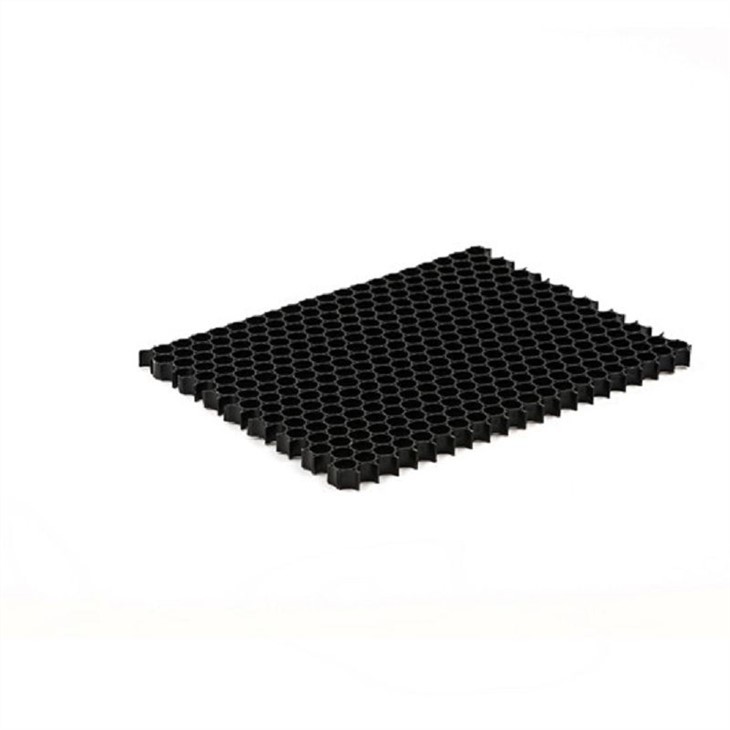
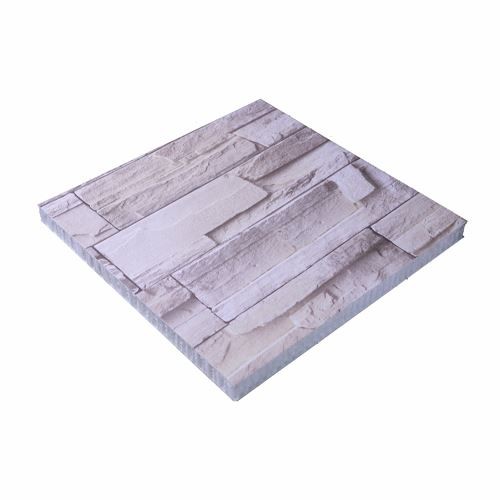
Another benefit of honeycomb building panels is their high strength. The honeycomb core structure provides excellent stiffness and load-bearing capacity, which allows the panels to withstand heavy loads and stresses without deformation. This makes them suitable for use in applications such as floors, walls, and roofs, where structural integrity is critical.
You can find more information about Honeycomb-building-panels.
Conclusion
In conclusion, honeycomb composite boards are a versatile and innovative material that offers a wide range of benefits for various industries. From aerospace and automotive to construction and packaging, honeycomb composite boards provide an optimal combination of strength, stiffness, and lightweight properties, making them an ideal choice for applications where weight reduction and structural integrity are paramount.
As a supplier of honeycomb composite boards, I'm committed to providing our customers with high-quality products that meet their specific requirements. Whether you're looking for aluminum honeycomb panels, paper honeycomb boards, thermoplastic honeycomb core, fiberglass honeycomb composite boards, or honeycomb building panels, we have the expertise and experience to help you find the right solution for your application.
If you're interested in learning more about our honeycomb composite boards or would like to discuss your specific requirements, please don't hesitate to contact us. We'd be happy to provide you with more information and answer any questions you may have.
References
- Gibson, L. J., & Ashby, M. F. (1997). Cellular solids: structure and properties. Cambridge university press.
- Jones, R. M. (1999). Mechanics of composite materials. Taylor & Francis.
- Mallick, P. K. (2007). Fiber-reinforced composites: materials, manufacturing, and design. CRC press.