

What are the limitations of PP Honeycomb Panel?
As a supplier of PP honeycomb panels, I have extensive knowledge and hands - on experience with these products. PP honeycomb panels are well - known for their many advantages, such as light weight, high strength - to - weight ratio, corrosion resistance, and recyclability. However, like any other material, they also come with certain limitations.
1. Temperature Resistance
PP honeycomb panels are made from polypropylene, a thermoplastic polymer. While polypropylene has a relatively good heat - resistance compared to some other plastics, it still has its limits. The melting point of polypropylene is typically around 160 - 170°C (320 - 338°F). In high - temperature environments, the panel may start to deform or lose its structural integrity when the temperature approaches this melting point.
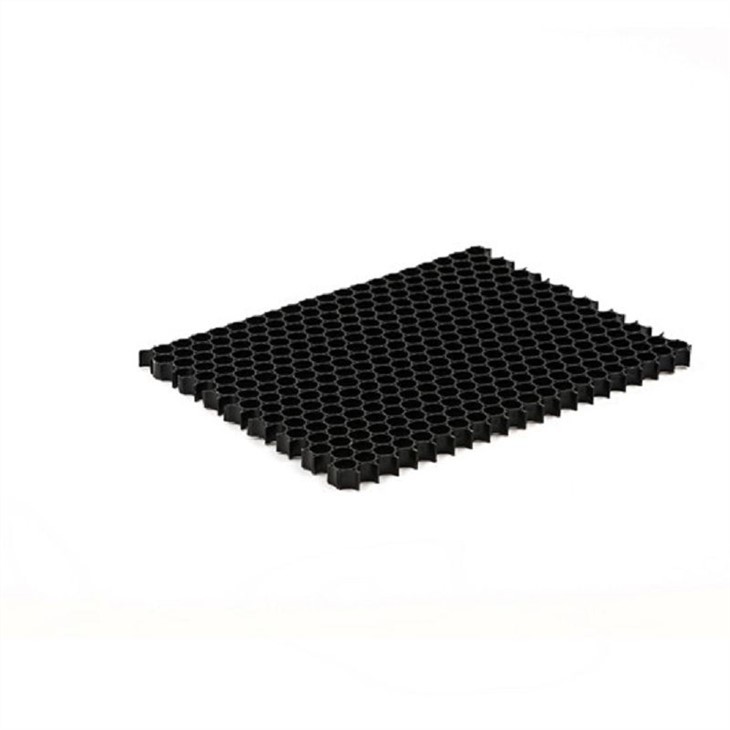
For example, in industrial settings where there are high - temperature processes or in outdoor applications under direct sunlight in extremely hot climates, the panels may experience thermal expansion. This expansion can lead to warping, which affects the overall flatness and dimensional stability of the panel. The Thermoplastic Honeycomb Core used in these panels is also subject to these temperature - related issues. When the core expands or deforms, it can compromise the bonding between the core and the face sheets, reducing the overall strength of the panel.
2. UV Resistance
Another significant limitation of PP honeycomb panels is their relatively poor resistance to ultraviolet (UV) radiation. When exposed to sunlight for extended periods, the polypropylene material can undergo photo - oxidation. This process causes the polymer chains in the panel to break down, leading to a reduction in mechanical properties such as tensile strength and impact resistance.
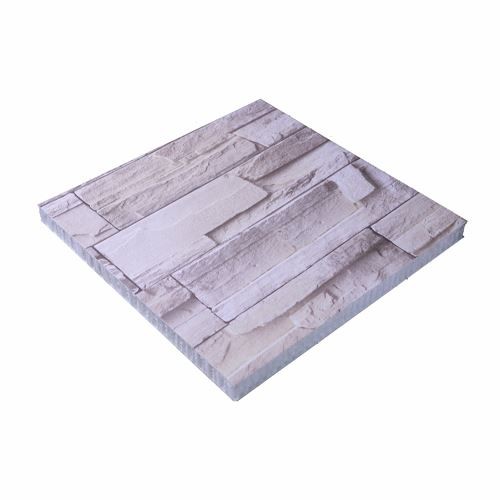
Over time, the surface of the panel may become brittle, and it may develop cracks or a chalky appearance. This not only affects the aesthetic appeal of the panel but also its functionality. For outdoor applications like Honeycomb - building - panels used in exterior facades or roofing, the lack of UV resistance can be a major drawback. To mitigate this issue, manufacturers often apply UV - resistant coatings to the panels. However, these coatings add to the cost, and their effectiveness may decrease over time with continuous exposure to the elements.
3. Fire Resistance
PP honeycomb panels are highly flammable. Polypropylene has a low ignition temperature and burns rapidly once ignited. It also releases a large amount of heat and produces molten droplets during combustion, which can spread the fire further.
In applications where fire safety is a critical concern, such as in building construction, transportation (e.g., in aircraft or railway carriages), and industrial facilities, the use of PP honeycomb panels is severely restricted. Although some fire - retardant additives can be incorporated into the polypropylene during the manufacturing process, these additives may have a negative impact on the other properties of the panel, such as its mechanical strength and recyclability.
4. Chemical Compatibility
While PP honeycomb panels are generally resistant to many chemicals, they are not compatible with all types of chemicals. Certain solvents, such as aromatic hydrocarbons and chlorinated solvents, can dissolve or swell the polypropylene material.
In chemical - processing plants or laboratories where there is a high risk of chemical spills, the use of PP honeycomb panels may not be suitable. Exposure to incompatible chemicals can weaken the panel's structure, making it more prone to damage and failure. Even milder chemicals can have a long - term effect on the panel's surface finish and mechanical properties if they are in contact with the panel for an extended period.
5. Joining and Assembly
Joining PP honeycomb panels can be challenging. Traditional joining methods such as welding or gluing may not always provide the desired results. Welding polypropylene requires precise control of temperature and pressure to ensure a strong bond. If the welding parameters are not set correctly, the joint may be weak and prone to failure.
Gluing also has its difficulties. Finding an adhesive that can bond well with the polypropylene surface and the honeycomb structure is not straightforward. The smooth and non - porous surface of the polypropylene can make it difficult for the adhesive to adhere properly. In addition, the honeycomb structure may interfere with the flow and distribution of the adhesive, leading to uneven bonding. This can be a problem when assembling large - scale structures using PP honeycomb panels, as the overall integrity of the structure depends on the quality of the joints.
6. Cost - Performance Ratio in Some Applications
Although PP honeycomb panels offer a good balance of properties at a relatively low cost in many applications, in some high - end or specialized applications, their cost - performance ratio may not be as favorable. For example, in aerospace applications where extremely high strength - to - weight ratios and strict performance requirements are needed, materials like carbon fiber composites may be preferred over PP honeycomb panels.
The relatively lower mechanical properties of PP honeycomb panels compared to advanced composites mean that in applications where every gram of weight reduction and every increment of strength matter, the additional cost of using more advanced materials may be justified. Similarly, in applications where long - term durability and high - end performance are crucial, the limitations of PP honeycomb panels in terms of temperature, UV, and fire resistance may make other materials a more attractive option.
Despite these limitations, PP honeycomb panels still have a wide range of applications where their advantages outweigh the drawbacks. At our company, we are constantly working on improving the performance of our PP honeycomb panels to overcome these limitations. We are researching new additives and manufacturing processes to enhance temperature and UV resistance, as well as developing better joining techniques.
If you are considering using PP honeycomb panels for your project, we understand that the limitations need to be carefully evaluated. Our team of experts can provide you with in - depth technical advice and help you determine whether PP honeycomb panels are the right choice for your specific application. We invite you to contact us to discuss your requirements and explore how we can work together to meet your needs. We are committed to providing high - quality products and excellent service to our customers.
References
- "Plastics Materials" by J. A. Brydson
- "Handbook of Thermoplastics" by O. Olabisi