

Hey there! I'm a supplier of honeycomb composite boards, and I often get asked about how these boards resist mold and mildew. It's a crucial question, especially considering that mold and mildew can not only damage the boards but also pose health risks. So, let's dive right into it and explore the science behind the mold and mildew resistance of honeycomb composite boards.
Understanding Mold and Mildew
First off, let's understand what mold and mildew are. They're both types of fungi that thrive in warm, damp, and humid environments. Mold is usually black, green, or white and can grow on various surfaces, while mildew is typically powdery and appears as a white or gray film. These fungi can cause discoloration, deterioration, and a musty smell, which is definitely not what you want in your building materials.
The Structure of Honeycomb Composite Boards
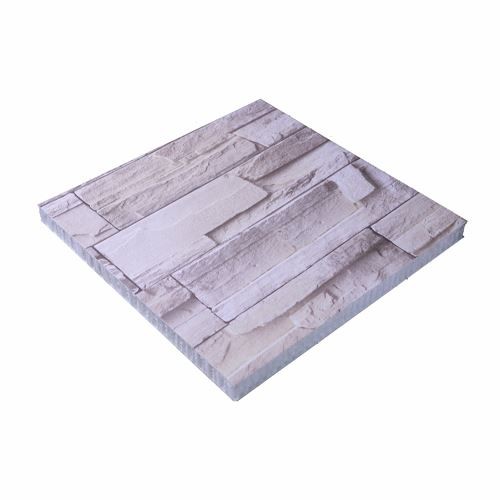
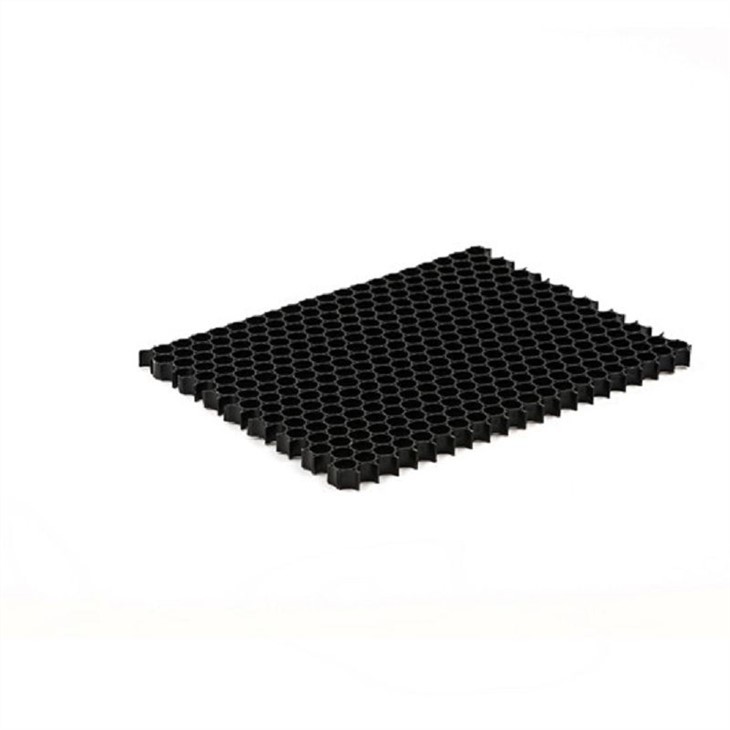
Honeycomb composite boards are made up of a honeycomb core sandwiched between two outer layers. The honeycomb core is typically made of materials like paper, aluminum, or thermoplastic. You can check out Thermoplastic Honeycomb Core for more info on this type of core. The outer layers can be made of different materials too, such as wood, plastic, or metal.
This unique structure plays a big role in resisting mold and mildew. The honeycomb design provides excellent strength and rigidity while keeping the weight of the board low. But more importantly, it helps with ventilation. The air pockets in the honeycomb core allow for better air circulation, which reduces the chances of moisture buildup. And since mold and mildew need moisture to grow, this ventilation is a game-changer.
Material Selection
The materials used in honeycomb composite boards also contribute to their mold and mildew resistance. For example, if the honeycomb core is made of aluminum, it's naturally resistant to corrosion and moisture. Aluminum doesn't provide a food source for mold and mildew, so they can't grow on it.
Thermoplastic honeycomb cores are another great option. They're made from plastic polymers that are resistant to water and chemicals. These cores are also easy to clean, which helps prevent the growth of mold and mildew. You can learn more about the benefits of using thermoplastic honeycomb cores in Honeycomb-building-panels.
The outer layers of the honeycomb composite boards can also be chosen for their mold and mildew resistance. Some outer layer materials are treated with anti-fungal agents during the manufacturing process. These agents create a barrier that inhibits the growth of mold and mildew on the surface of the board.
Surface Treatments
In addition to material selection, surface treatments can further enhance the mold and mildew resistance of honeycomb composite boards. One common treatment is the application of a protective coating. This coating can be a paint, varnish, or sealant that creates a waterproof and anti-fungal barrier on the surface of the board.
Some coatings also have self-cleaning properties. They can repel dirt and moisture, making it harder for mold and mildew to attach to the board. Regular cleaning and maintenance of the coated surface can help keep the board in good condition and prevent mold and mildew growth.
Installation and Maintenance
Proper installation and maintenance are also key to ensuring the long-term mold and mildew resistance of honeycomb composite boards. During installation, it's important to make sure that the boards are properly sealed and that there are no gaps or cracks where moisture can seep in.
Regular inspections are also necessary. Check the boards for any signs of water damage, discoloration, or mold growth. If you notice any issues, address them immediately. Cleaning the boards with a mild detergent and water can help remove dirt and debris that could potentially harbor mold and mildew.
Real-World Applications
Honeycomb composite boards are used in a wide range of applications, from construction to transportation. In the construction industry, they're used for wall panels, ceilings, and floors. Their mold and mildew resistance make them ideal for areas with high humidity, such as bathrooms, kitchens, and basements.
In the transportation industry, honeycomb composite boards are used for interior panels in vehicles. The lightweight and strong nature of these boards, combined with their mold and mildew resistance, make them a popular choice for buses, trains, and airplanes.
Conclusion
So, there you have it! The mold and mildew resistance of honeycomb composite boards comes from a combination of factors, including their structure, material selection, surface treatments, and proper installation and maintenance. As a supplier, I'm confident in the quality and performance of these boards.
If you're interested in using honeycomb composite boards for your project, I'd love to have a chat with you. Whether you need more information about the products or want to discuss your specific requirements, feel free to reach out. Let's work together to find the best honeycomb composite board solutions for your needs.
References
- "Building Materials Science and Technology" by John Wiley & Sons
- "Fungi and Their Role in the Environment" by Springer Publishing