

As a supplier of PP honeycomb panels, I am often asked about the composition of these remarkable materials. Understanding the composition of PP honeycomb panels is crucial for anyone looking to use them in various applications, from construction to automotive industries. In this blog post, I will delve into the components that make up PP honeycomb panels, their properties, and why they are a popular choice in many sectors.
Polypropylene (PP) Base Material
The primary component of PP honeycomb panels is polypropylene, a thermoplastic polymer known for its excellent chemical resistance, high melting point, and good mechanical properties. Polypropylene is derived from propylene monomers through a polymerization process. It is a lightweight material, which contributes to the overall low weight of the honeycomb panels.
Polypropylene has several advantages that make it ideal for honeycomb panel production. Firstly, it is highly resistant to moisture, chemicals, and corrosion. This makes PP honeycomb panels suitable for outdoor applications where they may be exposed to harsh environmental conditions. Secondly, polypropylene has good impact resistance, which means the panels can withstand physical stress without cracking or breaking easily. Thirdly, it has a relatively low cost compared to other engineering plastics, making PP honeycomb panels an economical choice for many projects.
Honeycomb Structure
The honeycomb structure is the defining feature of PP honeycomb panels. This structure consists of a series of hexagonal cells arranged in a regular pattern. The honeycomb design provides several benefits, including high strength-to-weight ratio, excellent stiffness, and good energy absorption capabilities.
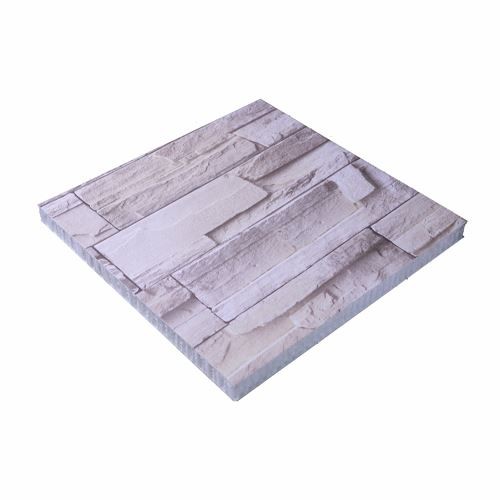
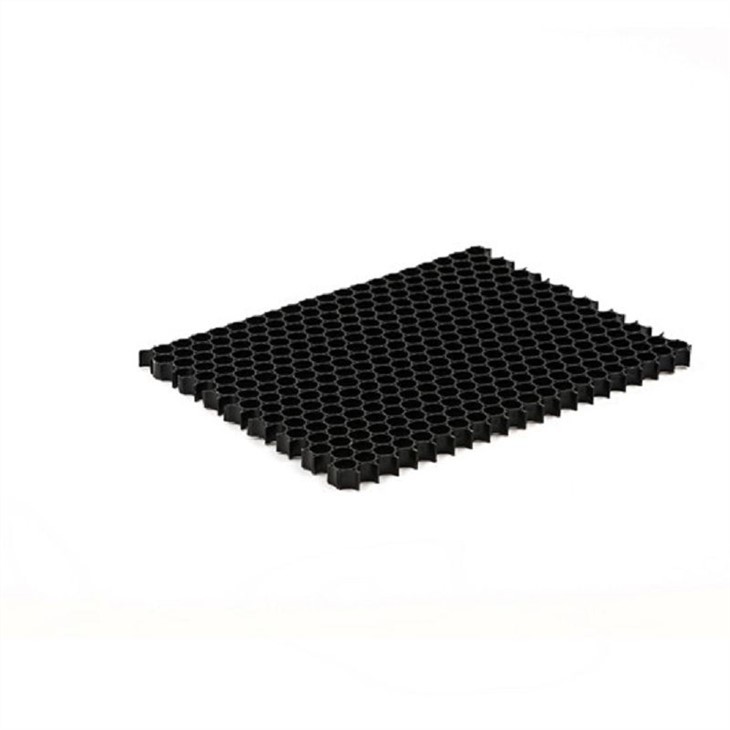
The hexagonal shape of the cells is the most efficient geometric shape for distributing loads evenly. When a force is applied to the panel, the honeycomb structure distributes the load across the entire panel, preventing local stress concentrations. This results in a panel that can withstand high loads while remaining lightweight.
The honeycomb structure also provides excellent insulation properties. The air trapped within the cells acts as an insulator, reducing heat transfer and sound transmission. This makes PP honeycomb panels suitable for applications where insulation is required, such as in building construction and automotive interiors.
Skin Layers
In addition to the honeycomb core, PP honeycomb panels typically have skin layers on both sides. The skin layers are usually made of the same polypropylene material as the core, but they can also be made of other materials, such as fiberglass, aluminum, or wood veneer, depending on the specific application requirements.
The skin layers serve several functions. Firstly, they protect the honeycomb core from damage and wear. Secondly, they provide a smooth surface finish, which is important for aesthetic reasons and for applications where a flat surface is required. Thirdly, the skin layers can enhance the mechanical properties of the panel, such as its bending strength and stiffness.
The thickness and type of skin layers can vary depending on the application. For example, in applications where high strength is required, thicker skin layers may be used. In applications where weight is a critical factor, thinner skin layers may be preferred.
Additives
To enhance the performance of PP honeycomb panels, various additives may be incorporated into the polypropylene base material. These additives can improve the panel's properties, such as its flame retardancy, UV resistance, and antistatic properties.
Flame retardant additives are commonly used in applications where fire safety is a concern. These additives work by suppressing the combustion process and reducing the spread of fire. UV stabilizers are used to protect the panel from the damaging effects of ultraviolet radiation, which can cause the polypropylene to degrade over time. Antistatic additives are used to prevent the buildup of static electricity on the panel's surface, which can attract dust and other contaminants.
Properties and Applications
The combination of polypropylene base material, honeycomb structure, skin layers, and additives gives PP honeycomb panels a unique set of properties that make them suitable for a wide range of applications.
One of the key properties of PP honeycomb panels is their high strength-to-weight ratio. This makes them ideal for applications where weight reduction is important, such as in the automotive and aerospace industries. For example, PP honeycomb panels can be used to replace heavier materials, such as steel and aluminum, in automotive interiors, reducing the overall weight of the vehicle and improving fuel efficiency.
PP honeycomb panels also have excellent stiffness and rigidity, which makes them suitable for applications where structural integrity is required. They can be used in building construction for partitions, ceilings, and wall panels. The honeycomb structure provides good support and stability, while the lightweight nature of the panels makes them easy to install.
In addition to their mechanical properties, PP honeycomb panels have good insulation properties. They can be used for thermal insulation in buildings, reducing energy consumption and improving indoor comfort. They can also be used for sound insulation in automotive interiors and industrial applications, reducing noise levels.
Why Choose Our PP Honeycomb Panels
As a supplier of PP honeycomb panels, we offer high-quality products that are designed to meet the specific needs of our customers. Our panels are manufactured using advanced production techniques and the latest materials, ensuring consistent quality and performance.
We offer a wide range of PP honeycomb panels with different cell sizes, thicknesses, and skin layer options. This allows our customers to choose the panel that best suits their application requirements. We also provide custom manufacturing services, where we can produce panels with specific dimensions and properties to meet the unique needs of our customers.
In addition to our high-quality products, we also offer excellent customer service. Our team of experts is available to provide technical support and advice to our customers. We can help our customers select the right panel for their application, provide installation instructions, and answer any questions they may have.
Conclusion
PP honeycomb panels are a versatile and high-performance material that offers many benefits for a wide range of applications. Their unique composition, which includes a polypropylene base material, honeycomb structure, skin layers, and additives, gives them excellent mechanical properties, insulation properties, and durability.
If you are interested in using PP honeycomb panels for your project, Honeycomb-building-panels and Thermoplastic Honeycomb Core are great resources to learn more about our products. We invite you to contact us to discuss your specific requirements and to explore how our PP honeycomb panels can meet your needs. Our team is ready to assist you in finding the perfect solution for your project.
References
- "Plastics Technology Handbook" by James F. Carley
- "Composite Materials: Design and Applications" by Abdel F. Ashby and David R. H. Jones
- "Engineering Materials 1: An Introduction to Properties, Applications, and Design" by Michael F. Ashby and David R. H. Jones