

Hey there! As a supplier of PP honeycomb panels, I often get asked if these panels are suitable for use in cold storage facilities. Well, let's dive right into it and explore this topic in detail.
First off, let's understand what PP honeycomb panels are. PP stands for polypropylene, which is a thermoplastic polymer known for its durability, chemical resistance, and lightweight nature. These honeycomb panels consist of a core layer with a honeycomb structure, typically made from PP, sandwiched between two outer layers. This unique design gives them excellent strength-to-weight ratio, making them a popular choice in various industries.
One of the key factors to consider when evaluating the suitability of PP honeycomb panels for cold storage facilities is their thermal insulation properties. Cold storage facilities require materials that can effectively minimize heat transfer to maintain a consistent low temperature inside. PP honeycomb panels have a relatively low thermal conductivity, which means they can act as a good insulator. The honeycomb structure traps air within its cells, and air is a poor conductor of heat. This trapped air layer helps to reduce the transfer of heat between the inside and outside of the cold storage, thus contributing to energy efficiency.
Another important aspect is the moisture resistance of the panels. In cold storage environments, condensation can be a significant issue. If the building materials are not moisture-resistant, they can absorb water, leading to mold growth, deterioration, and reduced structural integrity. PP is inherently water-resistant, and honeycomb panels made from it can withstand high humidity levels without getting damaged. This makes them a reliable choice for cold storage facilities where moisture control is crucial.
Durability is also a major consideration. Cold storage facilities are often subject to heavy use, with frequent loading and unloading of goods. The panels need to be able to withstand mechanical stress, impacts, and abrasion. PP honeycomb panels are known for their high impact resistance and toughness. They can endure the rigors of daily operations in a cold storage setting without cracking or breaking easily. Additionally, they are resistant to chemicals, which is beneficial as cold storage facilities may use various cleaning agents and refrigerants.
Now, let's talk about the ease of installation. Time is money in the construction industry, and quick installation can save a lot of resources. PP honeycomb panels are lightweight, which makes them easy to handle and install. They can be cut, drilled, and shaped easily using standard tools, allowing for a more flexible and efficient installation process. This means less time spent on the construction site and a faster turnaround for the cold storage facility to start operating.
In terms of cost, PP honeycomb panels are generally more affordable compared to some other traditional building materials used in cold storage construction. Their lightweight nature also reduces transportation costs. Moreover, their energy-efficient properties can lead to long-term savings on heating and cooling bills. All these factors contribute to a more cost-effective solution for cold storage facilities.
However, like any product, PP honeycomb panels also have some limitations. One potential drawback is their relatively low fire resistance. In a cold storage facility, fire safety is of utmost importance. While there are fire-retardant treatments available for PP honeycomb panels, it's essential to ensure that they meet the required fire safety standards.
Another consideration is the long-term stability of the panels in extremely low temperatures. Although PP has good low-temperature performance, prolonged exposure to very cold conditions may cause some changes in its physical properties over time. It's important to conduct thorough testing and select panels that are specifically designed for cold storage applications to ensure their long-term reliability.
To sum it up, PP honeycomb panels have many advantages that make them a suitable option for cold storage facilities. Their thermal insulation, moisture resistance, durability, ease of installation, and cost-effectiveness are all significant factors in their favor. However, it's crucial to address the potential limitations such as fire resistance and long-term low-temperature stability.
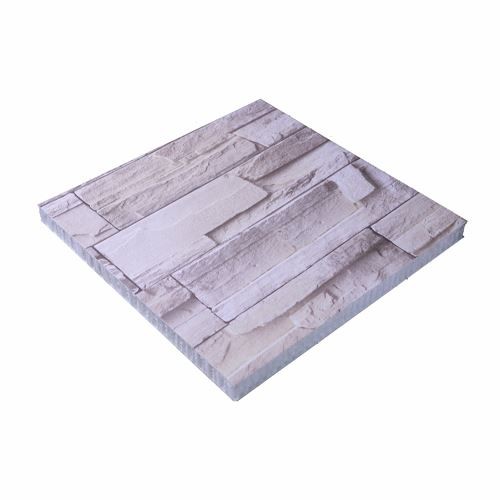
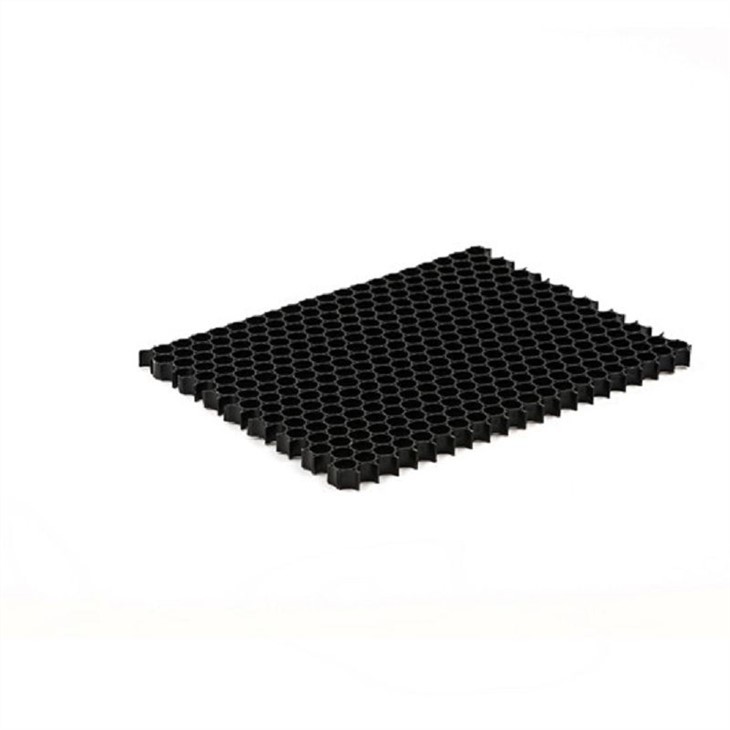
If you're in the market for high-quality PP honeycomb panels for your cold storage facility, I'd be more than happy to help. We offer a wide range of Honeycomb-building-panels and Thermoplastic Honeycomb Core products that are designed to meet the specific needs of cold storage applications. Whether you have questions about our products, need a quote, or want to discuss your project in detail, feel free to reach out. I'm here to assist you in making the best choice for your cold storage facility.
Let's work together to create a cold storage environment that is efficient, durable, and cost-effective. Contact me today to start the conversation and explore how our PP honeycomb panels can benefit your project.
References
- "Plastics in Building and Construction" - A comprehensive guide on the use of plastics in the construction industry.
- "Thermal Insulation Materials: Properties and Applications" - Provides in - depth information on the thermal insulation characteristics of different materials.