

As a supplier of Non Woven Honeycomb Panels, I often get asked about the unique properties of our products, especially how they resist mold and mildew. In this blog post, I'll delve into the science behind this crucial feature, exploring the materials, design, and manufacturing processes that make our Non Woven Honeycomb Panels a top choice for environments where mold and mildew prevention is a priority.
Understanding Mold and Mildew
Before we discuss how Non Woven Honeycomb Panels resist mold and mildew, it's important to understand what these organisms are and what they need to thrive. Mold and mildew are types of fungi that reproduce through tiny spores. These spores are everywhere in the environment, floating in the air and settling on various surfaces. When they land on a suitable surface with the right conditions—moisture, warmth, and a food source—they can start to grow and spread.
Mold and mildew can cause a range of problems, from aesthetic issues like discoloration and a musty smell to more serious health concerns, especially for people with allergies or respiratory problems. In building materials, they can also weaken the structure over time, leading to costly repairs.
The Materials of Non Woven Honeycomb Panels
One of the key factors in the mold and mildew resistance of Non Woven Honeycomb Panels is the materials used in their construction. Our panels are typically made from a combination of non - woven fibers and a thermoplastic resin. The non - woven fibers are often synthetic, such as polyester or polypropylene. These synthetic fibers have inherent properties that make them resistant to mold and mildew.
Polyester and polypropylene are hydrophobic materials, which means they repel water. Unlike natural fibers like cotton or wood, which can absorb moisture and provide a breeding ground for mold and mildew, synthetic fibers do not retain water. This lack of moisture retention is a significant barrier to the growth of mold and mildew.
The thermoplastic resin used in the panels also plays a vital role. The resin binds the non - woven fibers together, creating a strong and durable structure. It forms a protective layer around the fibers, further preventing water penetration. Additionally, thermoplastic resins are generally resistant to microbial attack. They do not provide a suitable food source for mold and mildew, as they are chemically stable and not easily broken down by fungi.
For more information about the thermoplastic component, you can visit our Thermoplastic Honeycomb Core page.
The Honeycomb Structure
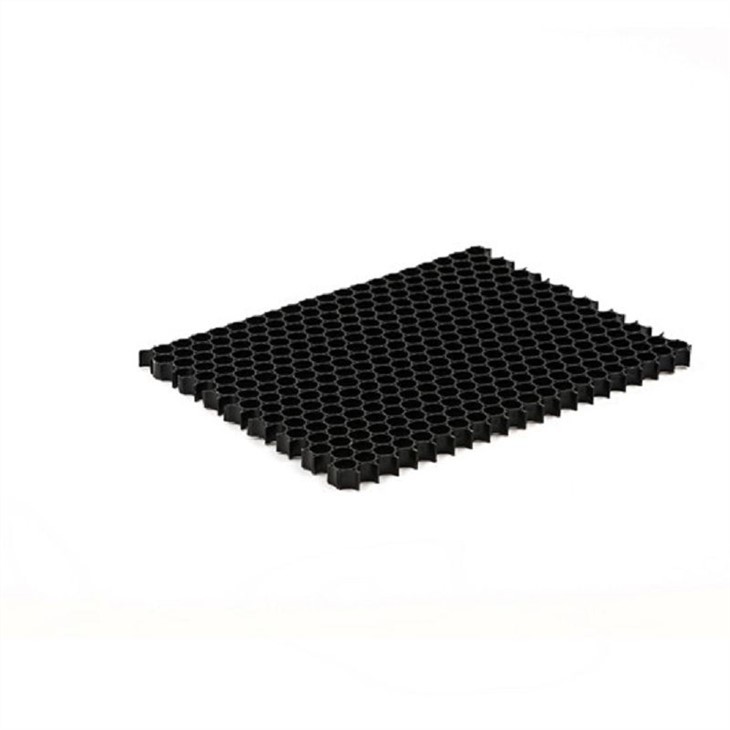
The honeycomb structure of our Non Woven Honeycomb Panels is another important aspect of their mold and mildew resistance. The hexagonal cells of the honeycomb design create a highly efficient and stable structure. This structure has several benefits when it comes to preventing mold and mildew growth.
Firstly, the honeycomb structure promotes air circulation. Air can flow freely through the cells of the panel, which helps to keep the surface dry. Moisture is less likely to accumulate on a well - ventilated surface, reducing the risk of mold and mildew growth. In contrast, solid or dense materials can trap moisture, creating an ideal environment for fungi.
Secondly, the honeycomb structure reduces the surface area in contact with the surrounding environment. With less surface area exposed, there are fewer places for mold and mildew spores to land and grow. The cells also act as a physical barrier, preventing spores from spreading easily across the panel.
Manufacturing Processes
Our manufacturing processes are carefully designed to enhance the mold and mildew resistance of Non Woven Honeycomb Panels. During the production, the non - woven fibers are treated with special additives. These additives can include antimicrobial agents that further inhibit the growth of mold and mildew.
The thermoplastic resin is also processed under controlled conditions to ensure its optimal performance. The resin is melted and then applied to the non - woven fibers in a precise manner, creating a uniform and protective coating. This coating not only strengthens the panel but also provides an additional layer of defense against moisture and microbial attack.
Applications in High - Risk Environments
Non Woven Honeycomb Panels are ideal for use in environments where mold and mildew are common problems. These include bathrooms, kitchens, basements, and industrial facilities with high humidity levels. In bathrooms, the panels can be used for wall cladding and partitions. Their resistance to mold and mildew ensures that they remain clean and hygienic, even in the presence of steam and moisture.
In kitchens, the panels can be used for cabinet doors and countertops. They are easy to clean and maintain, and their mold and mildew resistance means they won't develop unsightly stains or odors over time.
For more examples of how our panels can be used in building applications, visit our Honeycomb - building - panels page.
Long - Term Durability
The mold and mildew resistance of Non Woven Honeycomb Panels contributes to their long - term durability. By preventing the growth of fungi, the panels maintain their structural integrity over time. They do not suffer from the weakening or degradation that can occur with materials prone to mold and mildew.
This long - term durability means that our customers can rely on our Non Woven Honeycomb Panels for their projects. Whether it's a small residential renovation or a large commercial construction, our panels offer a cost - effective and reliable solution.
Conclusion
In conclusion, Non Woven Honeycomb Panels resist mold and mildew through a combination of factors. The materials, including synthetic non - woven fibers and thermoplastic resins, are inherently resistant to moisture and microbial attack. The honeycomb structure promotes air circulation and reduces the surface area for spore growth. Our manufacturing processes further enhance these properties through the use of additives and precise resin application.
If you're looking for a high - quality building material that can withstand the challenges of mold and mildew, our Non Woven Honeycomb Panels are an excellent choice. We invite you to contact us to discuss your specific requirements and explore how our products can be incorporated into your projects. Whether you're an architect, contractor, or DIY enthusiast, we're here to provide you with the best solutions.
References
- "Mold and Mildew in Buildings: Causes, Effects, and Prevention" by Building Science Press.
- "Synthetic Fibers: Properties and Applications" by Elsevier.
- "Thermoplastic Materials and Their Applications in Construction" by Wiley.