

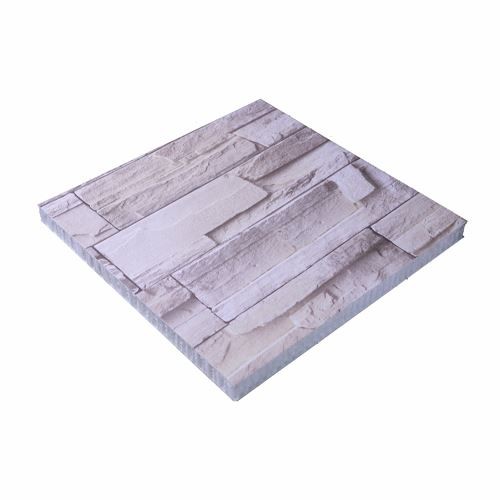
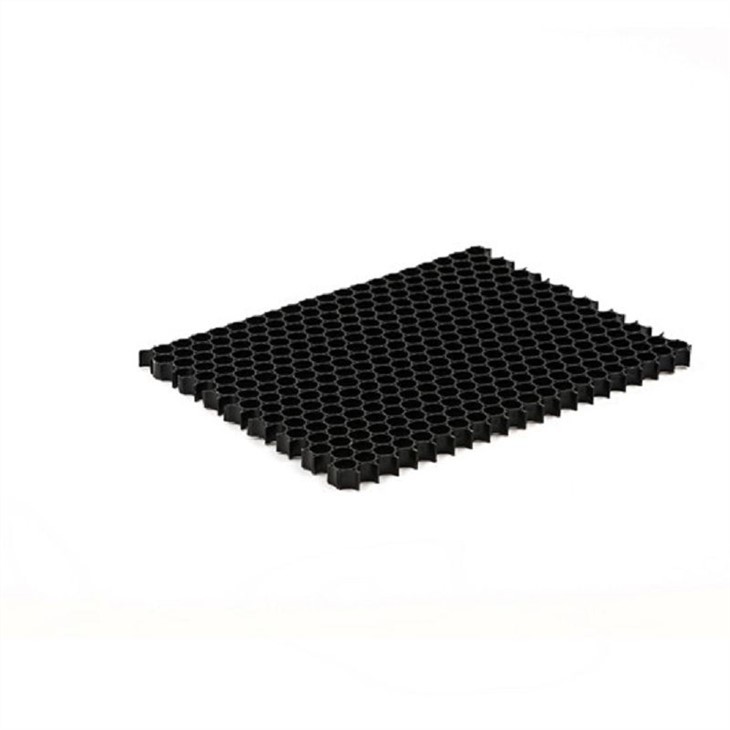
Hey there! As a supplier of Non Woven Honeycomb Panels, I'm super excited to share with you all the ins and outs of painting these awesome panels. Non Woven Honeycomb Panels are pretty rad because they're lightweight, strong, and have a bunch of uses in different industries. Whether you're using them for construction, furniture, or some cool DIY projects, painting them can really take them to the next level.
Why Paint Non Woven Honeycomb Panels?
First off, let's talk about why you'd want to paint these panels. Well, for starters, it can give them a whole new look. Maybe you're using them for a piece of furniture and you want it to match your room's decor. Or perhaps you're using them in a construction project and you need them to blend in with the building's exterior. Painting also adds a layer of protection. It can help prevent the panels from getting damaged by the elements, like UV rays, moisture, and dirt.
Preparing the Panel
Before you start painting, you gotta prep the panel. This is super important because it'll make sure the paint sticks well and lasts a long time.
Cleaning
The first step is to clean the panel. Use a mild detergent and water to wipe down the surface. Make sure to get rid of any dust, dirt, or grease. You can use a soft cloth or a sponge for this. Rinse the panel thoroughly and let it dry completely. This might take a few hours, depending on the humidity and temperature.
Sanding
Once the panel is dry, it's time to sand it. Sanding helps the paint adhere better to the surface. Use a fine-grit sandpaper, like 220-grit. Gently sand the entire surface of the panel in a circular motion. Don't press too hard, or you might damage the panel. After sanding, wipe away the dust with a clean, dry cloth.
Choosing the Right Paint
Picking the right paint is crucial. You want a paint that's durable, flexible, and suitable for the environment where the panel will be used.
Acrylic Paint
Acrylic paint is a great choice for Non Woven Honeycomb Panels. It's water-based, which means it's easy to clean up and it dries quickly. It also has good adhesion and is resistant to fading and cracking. You can find acrylic paint in a wide range of colors, so you can choose the one that suits your needs.
Enamel Paint
Enamel paint is another option. It's more durable and resistant to scratches and chemicals than acrylic paint. However, it takes longer to dry and has a stronger odor. If you're using the panel in a high-traffic area or where it might come into contact with chemicals, enamel paint might be a better choice.
Painting Techniques
Now that you've prepped the panel and chosen the paint, it's time to start painting.
Brushing
Brushing is a simple and effective way to paint Non Woven Honeycomb Panels. Use a high-quality paintbrush with synthetic bristles. Dip the brush into the paint and remove any excess by tapping it on the side of the paint can. Start painting in one corner of the panel and work your way across in smooth, even strokes. Make sure to cover the entire surface, including the edges. Apply thin coats of paint, and let each coat dry completely before applying the next one.
Rolling
Rolling is another popular method. Use a paint roller with a medium-nap cover. Pour the paint into a paint tray and roll the roller in the paint to saturate it. Roll the paint onto the panel in a “W” or “M” pattern, and then smooth it out with vertical or horizontal strokes. Like brushing, apply thin coats and let them dry between each application.
Spraying
Spraying is the fastest way to paint the panels, but it requires some equipment and skills. You'll need a paint sprayer, which can be either a handheld or an airless sprayer. If you're using a handheld sprayer, make sure to hold it about 8-10 inches away from the panel and move it in a steady, even motion. With an airless sprayer, you can cover a larger area more quickly. However, spraying can create overspray, so you'll need to protect the surrounding area.
Tips for a Great Finish
- Work in a Well-Ventilated Area: Whether you're using acrylic or enamel paint, it's important to work in a place with good ventilation. This will help the paint dry faster and reduce the risk of inhaling fumes.
- Apply Multiple Thin Coats: It's better to apply several thin coats of paint than one thick coat. Thin coats dry faster and are less likely to drip or run.
- Let the Paint Cure: After you've finished painting, let the panel cure for at least 24-48 hours before using it. This will allow the paint to fully harden and develop its maximum durability.
Applications of Painted Non Woven Honeycomb Panels
Painted Non Woven Honeycomb Panels have a ton of applications.
Construction
In construction, these panels can be used for interior and exterior wall cladding. The paint not only enhances their appearance but also provides protection against the elements. You can find more information about building panels at Honeycomb-building-panels.
Furniture
For furniture, painted Non Woven Honeycomb Panels can be used to make cabinets, tables, and chairs. They're lightweight and strong, making them a great alternative to traditional materials.
Automotive
In the automotive industry, these panels can be used for interior trim. The paint can be customized to match the car's interior color scheme.
Conclusion
Painting Non Woven Honeycomb Panels is a great way to enhance their appearance and durability. By following the steps I've outlined above, you can achieve a professional-looking finish. If you're in the market for Non Woven Honeycomb Panels, we're here to help. We offer high-quality panels that are perfect for a variety of applications. If you're interested in learning more about our products or have any questions about painting, feel free to reach out and start a conversation. We're always happy to assist you with your procurement needs.
References
- General knowledge about painting techniques and Non Woven Honeycomb Panels from industry experience.
- Information about panel applications from industry research and customer feedback.