

Hey there! As a supplier of Honeycomb Composite Boards, I've been getting a lot of questions lately about how these boards perform in windy environments. Well, let's dive right in and explore this topic.
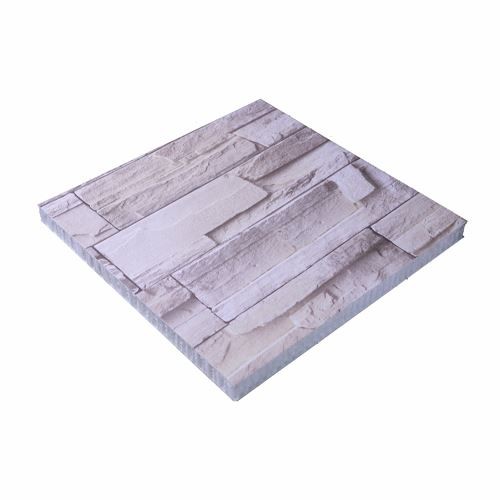
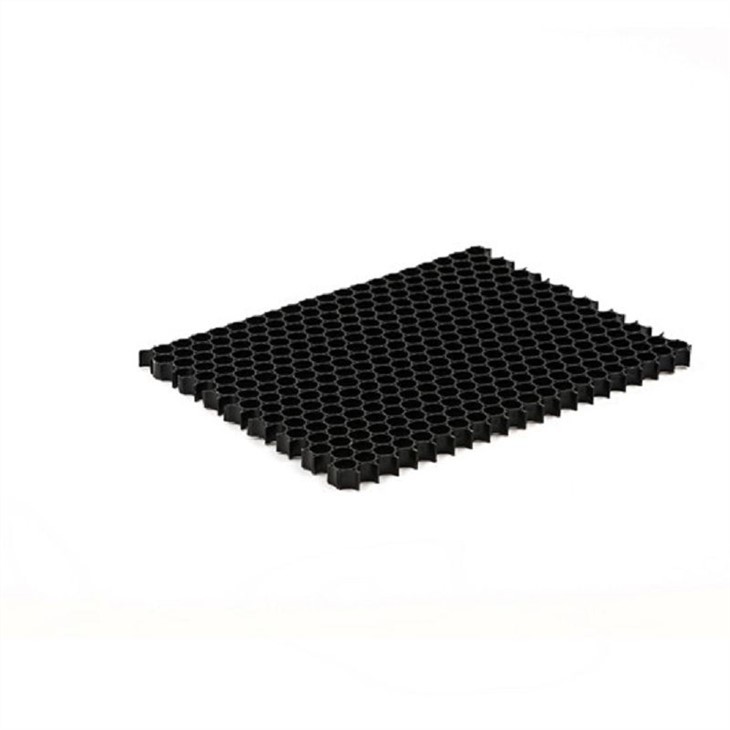
First off, let's understand what honeycomb composite boards are. These boards are made up of a honeycomb core, which is usually sandwiched between two outer layers. The honeycomb core can be made from various materials, like the Thermoplastic Honeycomb Core. This unique structure gives the boards some really cool properties that make them stand out.
One of the key features of honeycomb composite boards is their high strength - to - weight ratio. In a windy environment, this is super important. When the wind blows, it exerts a force on any structure in its path. A heavy board might require more support to stay in place, and it could also be more prone to damage from the wind's force. But honeycomb composite boards are lightweight, which means they don't put as much stress on the supporting structures. At the same time, the honeycomb design provides excellent strength, allowing the boards to resist the wind's pressure without easily bending or breaking.
Let's talk about aerodynamics. The smooth surface of honeycomb composite boards helps in reducing wind resistance. Unlike some rough - surfaced materials that can catch the wind like a sail, these boards allow the wind to flow over them more easily. This not only reduces the overall force exerted on the board but also minimizes the chances of the board being lifted or displaced by the wind.
Another aspect is the flexibility of honeycomb composite boards. They have a certain degree of flexibility that allows them to absorb the energy from the wind. When a gust of wind hits the board, instead of shattering or cracking, the board can bend slightly and then return to its original shape. This is a great advantage, especially in areas with high - velocity winds or frequent gusts.
Now, let's consider different applications of honeycomb composite boards in windy environments. For example, in the construction industry, Honeycomb - building - panels are often used for exterior walls and roofing. In a windy area, these panels can provide a stable and durable covering. They can withstand the constant battering of the wind, protecting the interior of the building from the elements.
In the transportation sector, honeycomb composite boards are used in the manufacturing of trailers and aircraft. When a vehicle or an aircraft is moving, it encounters wind resistance. The lightweight and strong nature of these boards help in improving fuel efficiency by reducing the overall weight of the vehicle. At the same time, their ability to withstand wind forces ensures the safety and stability of the transportation.
But it's not all smooth sailing. There are some factors that can affect how honeycomb composite boards perform in windy environments. The installation method is crucial. If the boards are not properly installed, they might not be able to resist the wind as effectively. For example, if the fasteners are loose or the joints are not sealed properly, the wind can get behind the board and cause it to lift or shift.
The orientation of the boards also matters. If the boards are installed in a way that the honeycomb structure is not aligned with the direction of the wind, it could increase the wind resistance and reduce the board's performance. So, it's important to carefully plan the installation based on the local wind patterns.
The quality of the honeycomb composite board itself is another factor. Cheaper or lower - quality boards might not have the same strength and durability as high - quality ones. They could be more prone to damage in windy conditions. That's why it's essential to choose a reliable supplier, like us, who can provide high - quality honeycomb composite boards.
To test how well honeycomb composite boards perform in windy environments, we conduct various tests. We use wind tunnels to simulate different wind speeds and directions. We also install the boards in real - world test sites in windy areas to observe their long - term performance. These tests help us to continuously improve the design and quality of our boards.
In conclusion, honeycomb composite boards have a lot going for them in windy environments. Their high strength - to - weight ratio, aerodynamic properties, and flexibility make them a great choice for various applications. However, proper installation, orientation, and choosing a high - quality product are all important factors in ensuring their optimal performance.
If you're in the market for honeycomb composite boards for your project, whether it's for construction, transportation, or any other application, we'd love to have a chat with you. We can provide you with all the information you need, answer your questions, and help you choose the right boards for your specific needs. Don't hesitate to reach out for a friendly discussion and start the procurement process.
References
- Industry reports on honeycomb composite materials
- Research papers on the performance of composite materials in extreme weather conditions