

Hey there! As a supplier of PP Honeycomb Panels, I've been getting a lot of questions lately about how to improve the fire - resistance of these panels. Well, you've come to the right place. In this blog post, I'm gonna share some practical tips and insights on making your PP Honeycomb Panels more fire - resistant.
Understanding PP Honeycomb Panels
First off, let's quickly go over what PP Honeycomb Panels are. Polypropylene (PP) Honeycomb Panels are lightweight, strong, and have excellent chemical resistance. They're used in a wide range of applications, from packaging to construction. But one of the downsides is that PP is a thermoplastic, which means it can melt and burn under high temperatures.
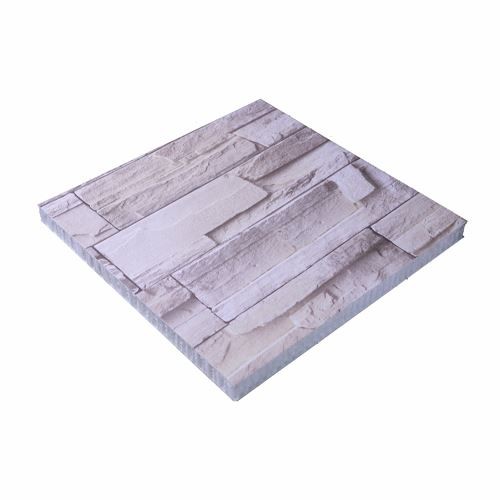
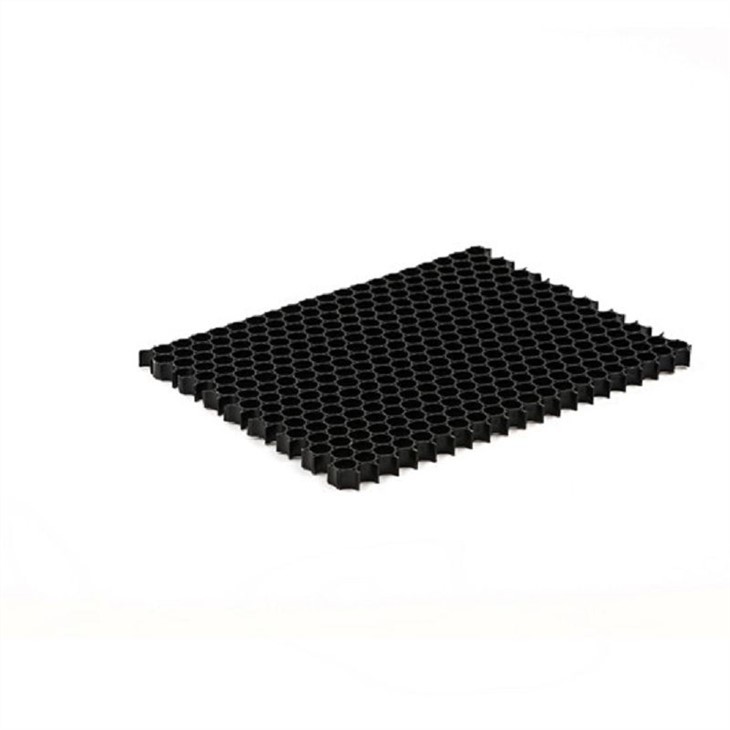
The core of these panels, known as the Thermoplastic Honeycomb Core, is what gives them their unique structure. It's made up of a series of hexagonal cells that provide strength while keeping the weight down. And when it comes to building applications, Honeycomb - building - panels are quite popular due to their ease of installation and cost - effectiveness.
The Importance of Fire - Resistance
Fire - resistance is crucial, especially in building and construction. In case of a fire, fire - resistant materials can slow down the spread of flames, giving people more time to evacuate and reducing property damage. For PP Honeycomb Panels, improving fire - resistance can open up more opportunities in the market, as many building codes and regulations require a certain level of fire - safety.
Methods to Improve Fire - Resistance
1. Fire - Retardant Additives
One of the most common ways to improve the fire - resistance of PP Honeycomb Panels is by adding fire - retardant additives during the manufacturing process. These additives work in different ways. Some release gases that dilute the oxygen around the burning material, while others form a protective layer on the surface of the panel, preventing the fire from spreading.
There are different types of fire - retardant additives available, such as halogen - based and halogen - free additives. Halogen - based additives have been used for a long time and are very effective. However, they can release toxic gases when burned, which is a concern for environmental and health reasons. On the other hand, halogen - free additives are becoming more popular as they are more environmentally friendly.
When choosing fire - retardant additives, it's important to consider the cost, performance, and environmental impact. You also need to make sure that the additives are compatible with the PP resin used in the panels.
2. Surface Treatments
Another way to enhance fire - resistance is through surface treatments. Applying a fire - resistant coating to the surface of the PP Honeycomb Panel can create a barrier between the panel and the fire. There are different types of coatings available, such as intumescent coatings.
Intumescent coatings are quite interesting. When exposed to high temperatures, they expand and form a thick, insulating char layer. This char layer acts as a shield, protecting the panel from the heat and preventing it from catching fire. Surface treatments can be a cost - effective way to improve fire - resistance, especially for existing panels.
3. Structural Modifications
Making some structural modifications to the PP Honeycomb Panel can also improve its fire - resistance. For example, changing the cell size and shape of the honeycomb core can affect how the panel behaves in a fire. Smaller cells can slow down the spread of flames and heat transfer within the panel.
You can also add additional layers or reinforcements to the panel. For instance, adding a layer of fire - resistant fiber between the honeycomb core and the outer layers can enhance the overall fire - resistance of the panel. These structural modifications may require some changes in the manufacturing process, but they can significantly improve the panel's performance in a fire.
Testing and Certification
Once you've made the necessary changes to improve the fire - resistance of your PP Honeycomb Panels, it's important to get them tested and certified. There are various international and national standards for fire - resistance testing, such as ASTM E84 in the United States and BS 476 in the United Kingdom.
Testing your panels according to these standards will give you an accurate assessment of their fire - performance. It will also help you meet the requirements of building codes and regulations, which is essential for selling your panels in the market. A certification from a recognized testing agency can also increase the credibility of your product and give your customers more confidence in your panels.
Challenges and Considerations
While improving the fire - resistance of PP Honeycomb Panels is important, there are some challenges and considerations. Adding fire - retardant additives or making structural modifications can increase the cost of production. This may affect the competitiveness of your product in the market.
You also need to make sure that the changes you make don't compromise the other properties of the panel, such as its strength, weight, and chemical resistance. Finding the right balance between fire - resistance and other properties is crucial.
Conclusion
Improving the fire - resistance of PP Honeycomb Panels is a complex but achievable task. By using fire - retardant additives, surface treatments, and structural modifications, you can enhance the panel's fire - performance. Getting your panels tested and certified is also essential to meet market requirements.
As a supplier of PP Honeycomb Panels, I'm always looking for ways to improve the quality and performance of our products. If you're interested in our fire - resistant PP Honeycomb Panels or have any questions about how to improve fire - resistance, feel free to reach out for a procurement discussion. I'm more than happy to help you find the best solutions for your needs.
References
- ASTM International. (Year). ASTM E84 - Standard Test Method for Surface Burning Characteristics of Building Materials.
- British Standards Institution. (Year). BS 476 - Fire Tests on Building Materials and Structures.
- Various research papers on fire - retardant additives and their applications in thermoplastics.