

As a supplier of Honeycomb Building Panels, I am often asked about the moisture resistance of our products. Moisture can be a significant concern in construction, as it can lead to a variety of problems such as mold growth, wood rot, and structural damage. In this blog post, I will compare honeycomb building panels in terms of moisture resistance and explain why our panels are a great choice for your construction projects.
Understanding Moisture Resistance in Building Materials
Before we delve into the specifics of honeycomb building panels, it's important to understand what moisture resistance means in the context of building materials. Moisture resistance refers to a material's ability to resist the penetration and absorption of water. This is crucial because excessive moisture can compromise the integrity and performance of building materials over time.
There are several factors that contribute to a material's moisture resistance, including its composition, density, and surface treatment. For example, materials with a high density and a low porosity are generally more resistant to moisture penetration. Additionally, materials that are treated with water - repellent coatings or additives can also have improved moisture resistance.
The Composition of Honeycomb Building Panels
Honeycomb building panels typically consist of a honeycomb core sandwiched between two face sheets. The honeycomb core is often made from materials such as paper, aluminum, or Thermoplastic Honeycomb Core, while the face sheets can be made from a variety of materials including wood, metal, plastic, or composite materials.
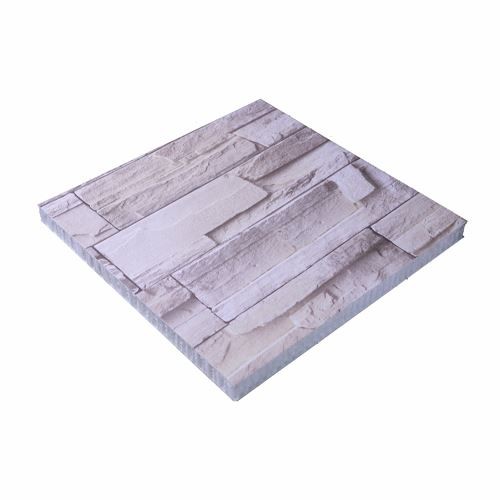
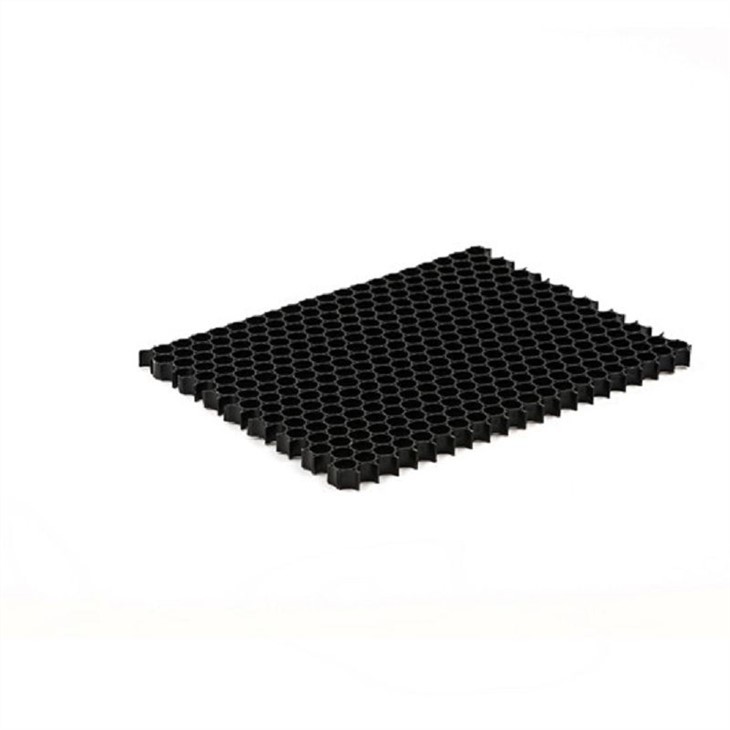
The choice of core and face sheet materials has a significant impact on the moisture resistance of the honeycomb building panel. For instance, an aluminum honeycomb core is highly resistant to moisture due to its non - porous nature and corrosion - resistant properties. On the other hand, a paper honeycomb core may be more susceptible to moisture damage if not properly protected.
Moisture Resistance of Different Honeycomb Core Materials
Aluminum Honeycomb Core
Aluminum is one of the most moisture - resistant materials used in honeycomb building panels. It does not absorb water, and its natural oxide layer provides excellent corrosion resistance. This makes aluminum honeycomb panels ideal for applications in high - humidity environments or areas prone to water exposure, such as bathrooms, kitchens, and exterior facades.
The closed - cell structure of the aluminum honeycomb also helps to prevent the spread of moisture within the panel. Even if water manages to penetrate the face sheets, the honeycomb core acts as a barrier, limiting the damage to a small area.
Thermoplastic Honeycomb Core
Thermoplastic Honeycomb Core is another popular choice for honeycomb building panels. Thermoplastics are inherently water - resistant and do not rot or support mold growth. They have a low water absorption rate, which means they can maintain their structural integrity even when exposed to moisture for extended periods.
Thermoplastic honeycomb cores are also lightweight and easy to process, making them a versatile option for a wide range of construction applications. They can be used in both interior and exterior applications, providing good moisture resistance while also offering design flexibility.
Paper Honeycomb Core
Paper honeycomb cores are more economical but generally have lower moisture resistance compared to aluminum and thermoplastic cores. Paper is a porous material that can absorb water, which can lead to swelling, warping, and degradation of the panel. However, paper honeycomb cores can be treated with water - repellent coatings or laminates to improve their moisture resistance.
These treatments can form a protective barrier on the surface of the paper, reducing its water absorption rate. Nevertheless, in applications where high moisture resistance is required, paper honeycomb panels may need to be used with additional waterproofing measures.
Moisture Resistance of Face Sheet Materials
The face sheets of honeycomb building panels also play a crucial role in protecting the core from moisture. Different face sheet materials have varying levels of moisture resistance:
Metal Face Sheets
Metal face sheets, such as aluminum or steel, offer excellent moisture resistance. They are non - porous and do not absorb water, providing a durable barrier against moisture penetration. Metal face sheets are often used in exterior applications where the panel is exposed to the elements.
Plastic Face Sheets
Plastic face sheets are also highly moisture - resistant. They are typically made from materials such as polycarbonate, PVC, or fiberglass - reinforced plastic (FRP). These materials have low water absorption rates and are resistant to mold and mildew. Plastic face sheets can be used in a variety of applications, including interior partitions and exterior cladding.
Wood Face Sheets
Wood face sheets are a popular choice for their natural aesthetic appeal, but they are more susceptible to moisture damage compared to metal and plastic face sheets. Wood is a porous material that can absorb water, leading to swelling, warping, and decay. However, wood face sheets can be treated with preservatives, stains, or paints to improve their moisture resistance.
Benefits of Using Honeycomb Building Panels with Good Moisture Resistance
Durability
Honeycomb building panels with high moisture resistance are more durable and have a longer lifespan. They can withstand exposure to moisture without significant damage, reducing the need for frequent repairs and replacements.
Mold and Mildew Prevention
Moisture - resistant honeycomb panels help to prevent the growth of mold and mildew. Mold and mildew not only look unsightly but can also pose health risks to building occupants. By keeping the panel dry, the risk of mold and mildew growth is significantly reduced.
Structural Integrity
Good moisture resistance ensures that the honeycomb building panel maintains its structural integrity over time. Moisture can weaken the core and face sheet materials, leading to a loss of strength and stability. By resisting moisture, the panel can continue to perform its intended function effectively.
Why Choose Our Honeycomb Building Panels
As a supplier of Honeycomb - building - panels, we offer a wide range of products with excellent moisture resistance. Our panels are made from high - quality core and face sheet materials, and we use advanced manufacturing techniques to ensure consistent performance.
We understand the importance of moisture resistance in construction, and we work closely with our customers to provide the best solutions for their specific needs. Whether you are building a residential home, a commercial building, or an industrial facility, our honeycomb building panels can offer the moisture protection you require.
Contact Us for Your Honeycomb Building Panel Needs
If you are interested in learning more about our honeycomb building panels and their moisture resistance, or if you have a specific construction project in mind, we encourage you to contact us. Our team of experts is ready to assist you with product selection, technical advice, and pricing information. We look forward to working with you on your next project and helping you achieve a moisture - resistant and durable building.
References
- ASTM International. (20XX). Standard test methods for evaluating the moisture resistance of building materials.
- Building Science Corporation. (20XX). Moisture management in buildings: Best practices and guidelines.
- National Research Council. (20XX). Building envelope performance and moisture control.