

When embarking on a project that requires honeycomb composite boards, the selection process can be both crucial and challenging. As a seasoned honeycomb composite board supplier, I've witnessed firsthand the impact that the right choice can have on the success of a project. In this blog, I'll share some insights and considerations to help you choose the most suitable honeycomb composite board for your specific needs.
Understanding Honeycomb Composite Boards
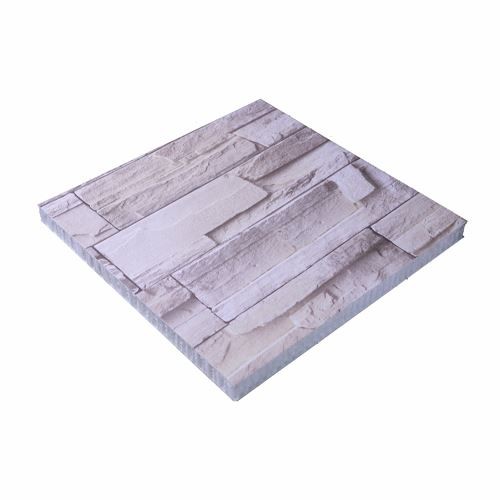
Honeycomb composite boards are engineered materials consisting of a honeycomb core sandwiched between two face sheets. The honeycomb core, typically made from materials like aluminum, paper, or Thermoplastic Honeycomb Core, provides excellent strength-to-weight ratio, while the face sheets offer surface protection and additional stiffness. These boards are widely used in various industries, including aerospace, automotive, construction, and furniture, due to their lightweight, high strength, and excellent insulation properties.
Project Requirements
The first step in choosing the right honeycomb composite board is to clearly define your project requirements. Consider the following factors:
1. Structural Requirements
Determine the load-bearing capacity and stiffness needed for your project. For structural applications, such as aircraft wings or building facades, you'll need a board with high strength and stiffness. The honeycomb core's cell size, thickness, and material can significantly affect the board's structural performance. Smaller cell sizes generally provide higher strength, while thicker cores offer greater stiffness.
2. Environmental Conditions
Consider the environmental conditions in which the board will be used. If the board will be exposed to moisture, chemicals, or extreme temperatures, you'll need to choose a material that can withstand these conditions. For example, aluminum honeycomb cores are corrosion-resistant and suitable for outdoor applications, while paper cores may be more prone to damage in wet environments.
3. Aesthetic Requirements
In some projects, the appearance of the board is as important as its performance. Consider the color, texture, and finish of the face sheets to ensure they meet your aesthetic requirements. You may also need to choose a board with a smooth surface for applications where painting or laminating is required.
4. Cost
Cost is always a consideration in any project. Honeycomb composite boards can vary significantly in price depending on the materials used, the manufacturing process, and the size and quantity of the boards. While it's important to stay within your budget, don't compromise on quality. Choose a board that offers the best balance of performance, durability, and cost.
Material Selection
Once you've defined your project requirements, the next step is to choose the right materials for the honeycomb core and face sheets.
1. Honeycomb Core Materials
- Aluminum: Aluminum honeycomb cores are lightweight, strong, and corrosion-resistant. They are commonly used in aerospace, automotive, and construction applications.
- Paper: Paper honeycomb cores are inexpensive and lightweight, making them suitable for non-structural applications such as furniture and packaging.
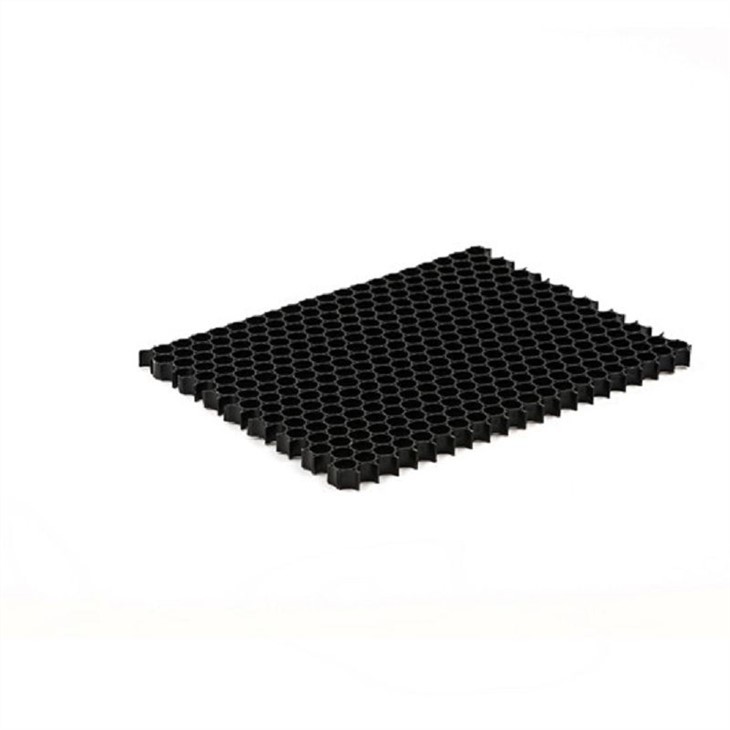
- Plastic: Plastic honeycomb cores, such as Thermoplastic Honeycomb Core, offer excellent chemical resistance and can be customized to meet specific requirements. They are often used in marine, automotive, and industrial applications.
2. Face Sheet Materials
- Aluminum: Aluminum face sheets are lightweight, strong, and corrosion-resistant. They are commonly used in aerospace, automotive, and construction applications.
- Fiberglass: Fiberglass face sheets are strong, lightweight, and have excellent insulation properties. They are often used in marine, automotive, and industrial applications.
- Wood: Wood face sheets offer a natural and warm appearance. They are commonly used in furniture and interior design applications.
Manufacturing Process
The manufacturing process can also affect the quality and performance of the honeycomb composite board. There are two main manufacturing processes: adhesive bonding and co-curing.
1. Adhesive Bonding
Adhesive bonding is the most common manufacturing process for honeycomb composite boards. In this process, the honeycomb core is bonded to the face sheets using an adhesive. The adhesive can be applied using various methods, such as spray, brush, or roller. Adhesive bonding offers several advantages, including flexibility in material selection, ease of manufacturing, and the ability to repair or replace damaged parts.
2. Co-Curing
Co-curing is a more advanced manufacturing process in which the honeycomb core and face sheets are cured together in a single step. This process offers several advantages, including improved bond strength, reduced weight, and better dimensional stability. However, co-curing requires specialized equipment and expertise, and it may not be suitable for all applications.
Quality Control
Quality control is essential to ensure that the honeycomb composite board meets your project requirements. As a supplier, we have a strict quality control system in place to ensure that every board we produce meets the highest standards of quality and performance. Our quality control process includes:
1. Raw Material Inspection
We carefully inspect all raw materials before they are used in the manufacturing process. This includes checking the quality of the honeycomb core, face sheets, and adhesive to ensure they meet our specifications.
2. In-Process Inspection
We conduct regular inspections during the manufacturing process to ensure that the boards are being produced according to our quality standards. This includes checking the bond strength, thickness, and flatness of the boards.
3. Final Inspection
Before the boards are shipped to our customers, we conduct a final inspection to ensure that they meet our quality standards. This includes checking the appearance, dimensions, and performance of the boards.
Choosing a Supplier
Choosing the right supplier is as important as choosing the right honeycomb composite board. When selecting a supplier, consider the following factors:
1. Experience and Expertise
Choose a supplier with extensive experience and expertise in manufacturing honeycomb composite boards. An experienced supplier will be able to provide you with valuable advice and guidance on choosing the right board for your project.
2. Quality Assurance
Ensure that the supplier has a strict quality control system in place to ensure that the boards they produce meet the highest standards of quality and performance. Look for suppliers who are certified to international quality standards, such as ISO 9001.
3. Customization Options
Choose a supplier who can offer customization options to meet your specific requirements. This may include custom sizes, shapes, colors, and finishes.
4. Customer Service
Choose a supplier who provides excellent customer service. A good supplier will be responsive to your inquiries, provide timely delivery, and offer after-sales support.
Conclusion
Choosing the right honeycomb composite board for your project requires careful consideration of your project requirements, material selection, manufacturing process, and quality control. By following the tips and guidelines outlined in this blog, you can make an informed decision and choose a board that offers the best balance of performance, durability, and cost.
If you're looking for a reliable honeycomb composite board supplier, please don't hesitate to contact us. We have a wide range of Honeycomb-building-panels and other honeycomb composite products to meet your specific needs. Our team of experts will be happy to assist you in choosing the right board for your project and providing you with the best possible service.
References
- Gibson, L. J., & Ashby, M. F. (1997). Cellular solids: structure and properties. Cambridge university press.
- Mallick, P. K. (2007). Fiber-reinforced composites: materials, manufacturing, and design. CRC press.
- Matthews, F. L., & Rawlings, R. D. (1994). Composite materials: engineering and science. Chapman & Hall.