

In seismic - prone areas, the choice of building materials is of utmost importance as it directly impacts the safety and durability of structures. As a supplier of honeycomb composite boards, I have witnessed firsthand the remarkable performance of these boards in regions susceptible to earthquakes. In this blog, I will delve into how honeycomb composite boards perform in seismic - prone areas, exploring their unique properties and advantages.
Understanding Seismic Activity and Building Requirements
Seismic activity is characterized by the sudden release of energy in the Earth's crust, resulting in ground shaking. Buildings in seismic - prone areas must be designed and constructed to withstand these forces to prevent collapse and minimize damage. Traditional building materials like concrete and steel have been the go - to options for seismic - resistant construction. However, honeycomb composite boards are emerging as a viable alternative due to their distinct features.
Properties of Honeycomb Composite Boards
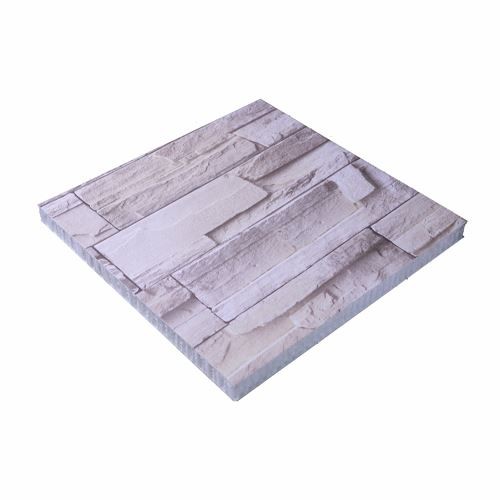
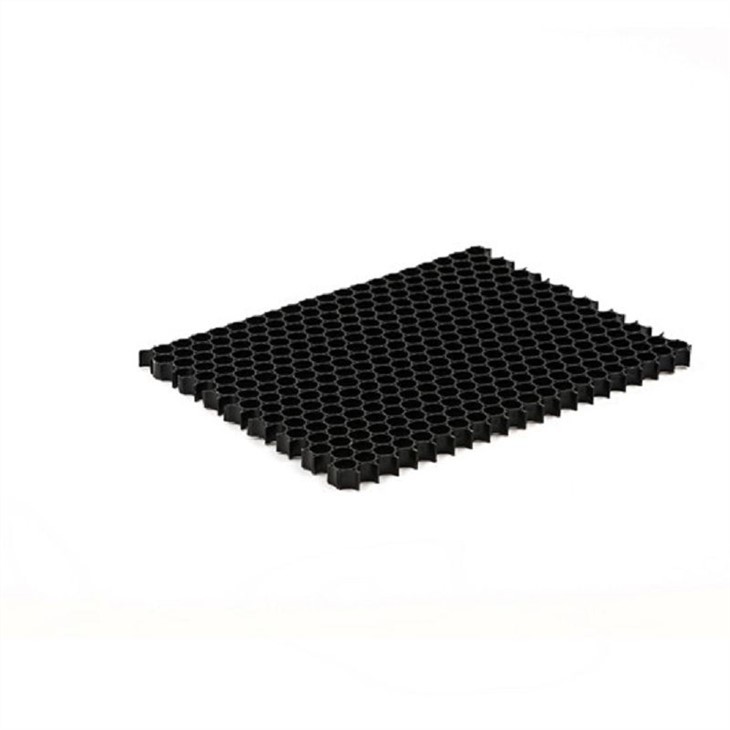
Honeycomb composite boards consist of a honeycomb core sandwiched between two face sheets. The honeycomb core, often made of materials such as Thermoplastic Honeycomb Core, provides a lightweight yet strong structure. The face sheets can be made of various materials like aluminum, fiberglass, or wood, depending on the specific application.
One of the key properties of honeycomb composite boards is their high strength - to - weight ratio. The honeycomb structure distributes loads evenly across the board, allowing it to withstand significant forces without adding excessive weight to the building. This is crucial in seismic - prone areas, as lighter structures experience less seismic force compared to heavier ones.
Another important property is their flexibility. Honeycomb composite boards can bend and deform to a certain extent without breaking. During an earthquake, the ground movement causes buildings to sway. The flexibility of honeycomb composite boards enables them to absorb and dissipate the seismic energy, reducing the stress on the overall structure.
Performance in Seismic - Prone Areas
Energy Absorption
Honeycomb composite boards are excellent at absorbing seismic energy. When an earthquake occurs, the ground shaking creates dynamic loads on the building. The honeycomb core acts as a shock absorber, converting the kinetic energy of the seismic waves into internal energy within the board. This energy absorption reduces the impact of the earthquake on the building's structural integrity.
For example, in a multi - story building constructed with honeycomb composite boards, the boards in the walls and floors can absorb a significant amount of the seismic energy. This helps prevent the transfer of excessive forces to the building's foundation and other critical structural components, reducing the risk of collapse.
Vibration Damping
In addition to energy absorption, honeycomb composite boards also have good vibration - damping properties. Earthquakes generate vibrations that can cause resonance in buildings, leading to increased damage. The honeycomb structure dissipates the vibrational energy, reducing the amplitude of the vibrations.
This is particularly important for tall buildings, which are more prone to resonance. By using honeycomb composite boards in the construction of these buildings, the risk of resonance - induced damage can be significantly reduced.
Structural Stability
The high strength - to - weight ratio and the ability to distribute loads evenly contribute to the structural stability of buildings made with honeycomb composite boards. In seismic - prone areas, buildings need to maintain their shape and stability during an earthquake. The honeycomb composite boards can resist the lateral forces generated by the ground shaking, preventing the building from swaying excessively or collapsing.
Moreover, the modular nature of honeycomb composite boards allows for easy installation and connection. This ensures that the building components are well - integrated, further enhancing the overall structural stability.
Applications in Seismic - Prone Areas
Honeycomb composite boards have a wide range of applications in seismic - prone areas. One of the most common applications is in the construction of pre - fabricated buildings. These buildings can be quickly assembled on - site, which is beneficial in areas where rapid reconstruction is needed after an earthquake.
Honeycomb - building - panels can also be used for interior partitions, wall cladding, and roofing. In interior partitions, they provide a lightweight yet sturdy solution that can withstand seismic forces. Wall cladding made of honeycomb composite boards not only enhances the aesthetic appeal of the building but also adds an extra layer of protection against earthquakes. Roofing applications benefit from the boards' high strength - to - weight ratio, reducing the load on the building's roof structure.
Case Studies
There have been several real - world examples that demonstrate the effectiveness of honeycomb composite boards in seismic - prone areas. In a recent earthquake in a coastal region, a small office building constructed with honeycomb composite boards suffered only minor damage. The building's walls and floors, made of honeycomb composite boards, were able to absorb and dissipate the seismic energy, preventing significant structural damage.
In another case, a residential building in a mountainous seismic - prone area used honeycomb composite boards for its exterior walls. During an earthquake, the building remained intact, and the occupants were safe. The flexibility of the honeycomb composite boards allowed the building to sway with the ground movement without collapsing.
Advantages over Traditional Materials
Compared to traditional building materials like concrete and steel, honeycomb composite boards offer several advantages in seismic - prone areas.
As mentioned earlier, their high strength - to - weight ratio reduces the seismic force on the building. Concrete and steel structures are often heavy, which can increase the seismic load. In addition, the construction process of honeycomb composite boards is faster and more efficient. They can be pre - fabricated off - site and quickly installed on - site, reducing the construction time and cost.
Honeycomb composite boards also have better corrosion resistance compared to steel. In coastal seismic - prone areas where the air is often humid and salty, steel structures are prone to corrosion, which can weaken the building over time. Honeycomb composite boards, on the other hand, are not affected by corrosion, ensuring the long - term durability of the building.
Considerations for Using Honeycomb Composite Boards
While honeycomb composite boards offer many benefits in seismic - prone areas, there are also some considerations to keep in mind. One of the main considerations is the proper installation. The boards need to be installed correctly to ensure their optimal performance. This includes using the right fasteners and connection methods to ensure a secure and stable installation.
Another consideration is the fire resistance of the boards. In some applications, additional fire - resistant treatments may be required to meet the building code requirements. However, with the advancement of technology, there are now honeycomb composite boards available with improved fire - resistant properties.
Conclusion
In conclusion, honeycomb composite boards perform exceptionally well in seismic - prone areas. Their high strength - to - weight ratio, energy absorption, vibration damping, and flexibility make them an ideal choice for building construction in these regions. They offer numerous advantages over traditional building materials, including faster construction, better corrosion resistance, and reduced seismic load.
If you are involved in a construction project in a seismic - prone area, I encourage you to consider honeycomb composite boards for your building needs. Our company is a leading supplier of high - quality honeycomb composite boards, and we are committed to providing the best products and services. Contact us for more information and to discuss your specific requirements. We look forward to partnering with you to create safe and durable buildings in seismic - prone areas.
References
- "Seismic Design of Buildings" by Applied Technology Council.
- "Composite Materials in Construction" by John Summerscales.
- Research papers on the performance of honeycomb structures in dynamic loading conditions from scientific journals such as "Journal of Composite Materials" and "Engineering Structures".